
How To
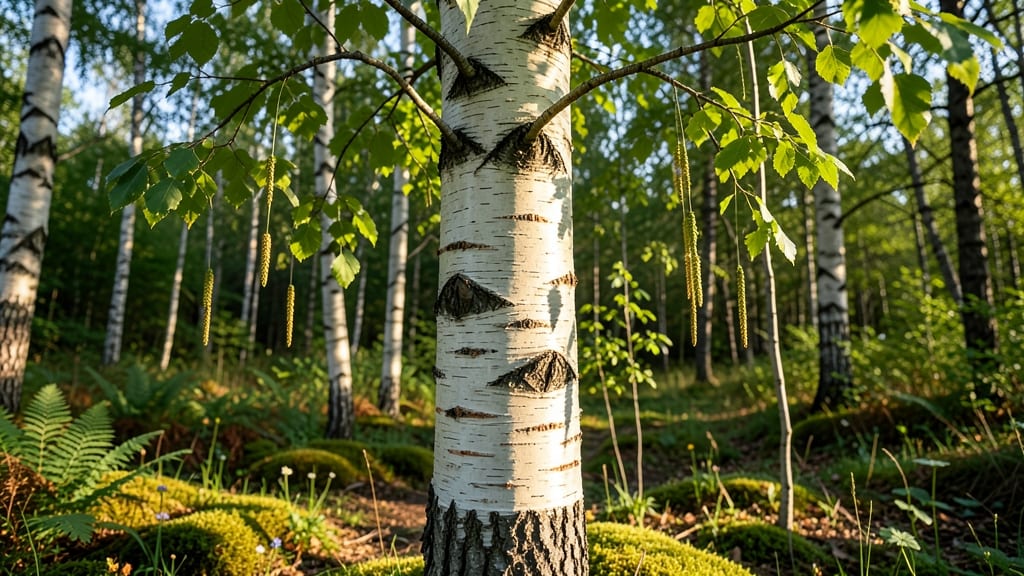
A birch tree’s height can vary dramatically—how tall does a birch tree grow?—ranging from 10 feet to towering 70 feet, depending on the species and growing conditions.
If you're dreaming of adding birch trees to your landscape, knowing their mature height isn't just about aesthetics—it's about planning for space, sunlight, and long-term growth.
Some varieties, like the dwarf paper birch, stay compact enough for small yards, while others, such as the river birch, can reach heights that require careful placement near larger properties.
In this guide, you'll discover the exact height ranges for popular birch species, how to choose the right one for your space, and practical tips to manage growth for years of stunning foliage.

Birch tree height by species: from dwarf varieties to towering giants
Birch trees are stunning landscape additions with their delicate bark and graceful branches, but their mature height can vary dramatically depending on the species. Whether you're designing a cozy backyard retreat or a sprawling woodland garden, understanding these height differences is essential for proper plant spacing and long-term growth planning.
Some varieties stay under 20 feet, while others reach heights that dwarf a three-story building!
The paper birch and yellow birch are among the most popular choices for gardens, but even within these categories, height expectations can differ by 20-30 feet or more.
Let's explore the mature heights of the most common birch species so you can choose the perfect fit for your space and vision.
The dwarf varieties, like the Dwarf Paper Birch, are perfect for small gardens or even large containers, reaching only 10-15 feet at maturity.
These compact options grow at a slower pace of 1-2 feet per year, making them ideal for gardeners with limited space who still want the iconic birch look.
On the other end of the spectrum, the White Birch and Yellow Birch can tower over 70 feet, creating dramatic focal points in large landscapes. These giants grow 2-4 feet per year, so their full height may take decades to achieve.
If you're planting near a house or driveway, these varieties require careful placement to avoid future issues with root spread and overhanging branches
How to choose the right birch tree for your space and climate
Selecting the perfect birch tree means balancing your yard's size with the tree's mature height and growth habits. Paper birch and yellow birch varieties can reach 50-70 feet tall, making them stunning focal points but requiring ample space.
Meanwhile, dwarf varieties like 'Fastigiata' stay compact at 15-20 feet, ideal for small gardens or urban landscapes.
Before planting, consider your USDA hardiness zone—most birch trees thrive in zones 2-6, but river birch extends to zone 7. Your local climate also affects growth rates; cooler regions may see slower height increases compared to warmer areas.
For example, a river birch in zone 5 might grow 2 feet per year, while the same tree in zone 7 could reach 3 feet annually.
🌳
Birch Tree Height Comparison
- Dwarf varieties: Fit small yards
- Fast growth: 2-3 ft/year for some species
- Year-round interest: White bark adds winter beauty
- Adaptable: Tolerates partial shade
- Large species: Need 50+ ft clearance
- Root spread: Can damage sidewalks
- Messy: Dropping bark and seeds
- Short lifespan: Typically 50-70 years
Best for: Spacious yards, privacy screens, or urban planting (dwarf varieties)
For urban planting, prioritize root spread—some birch trees develop roots up to 30 feet wide, risking foundation damage. Opt for container-grown saplings or root-pruned specimens to minimize spread.
In rural settings, larger varieties like paper birch excel as windbreaks or wildlife habitats, but plant them 100+ feet from structures.
Sunlight needs vary by species: River birch thrives in full sun (6+ hours), while yellow birch tolerates partial shade (3-4 hours). Always match your site's light conditions to the tree's preferences—misalignment can stunt growth or invite pests.
For example, a paper birch in deep shade may grow 20% slower and develop weak branches.
Consider your long-term maintenance goals. Tall birch trees require regular pruning to remove deadwood and shape growth, while dwarf varieties need minimal upkeep. If you're planting near power lines, choose a slow-growing variety like 'Heritage' paper birch, which maxes out at 30 feet.
Always check local regulations—some areas restrict tree heights near roads or buildings.
Finally, test your soil's drainage and pH—birch trees prefer slightly acidic soil (pH 4.5-6.0) and well-draining conditions. Amend heavy clay with compost to prevent root rot, which can stunt height growth.
With the right variety and care, your birch tree will thrive for decades, becoming a showstopping centerpiece in your landscape. 🌿