
How To
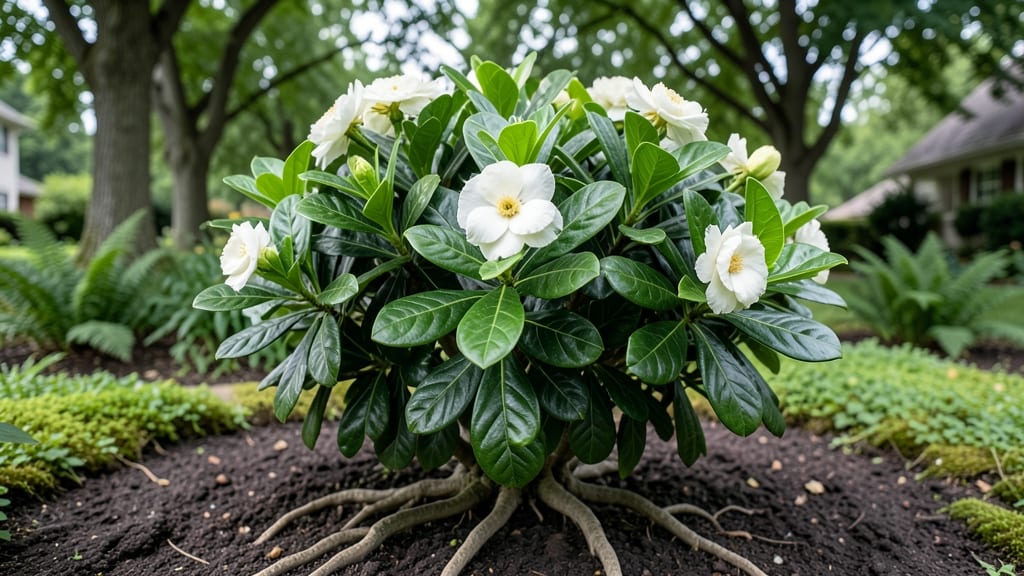
If you're wondering how tall does a gardenia tree grow at maturity, the answer depends on the variety and care—typically between 6 and 15 feet, but with the right approach, you can shape it to fit your space perfectly.
If you're dreaming of fragrant gardenias but worried about them towering over your backyard, you're not alone. Many gardeners struggle to balance the lush, 🌸 blooming beauty of these plants with the space they need.
The good news? With the right variety and a little pruning know-how, you can keep your gardenia at just the right height for your garden.
Standard gardenia trees like Gardenia jasminoides can reach 10 to 15 feet if left unchecked, while dwarf varieties stay between 3 and 5 feet, making them perfect for containers or small spaces.
Whether you want a towering hedge or a compact centerpiece, understanding these growth patterns—and how to guide them—is the key to a gardenia that fits your vision.
In this guide, you’ll discover how to choose the right variety for your space, when and how to prune for the perfect height, and common mistakes that can send your gardenia skyrocketing. Let’s get started!

Natural height range of gardenia trees: what to expect by variety
When planning your garden, knowing how tall a gardenia tree grows helps you choose the perfect spot—whether that's a cozy patio corner or a dramatic backyard focal point. Gardenias naturally grow as shrubs or small trees, but their mature height varies dramatically by variety.
The most common type, Gardenia jasminoides, typically reaches 6 to 15 feet tall at maturity, while dwarf varieties stay compact at just 3 to 5 feet. Understanding these differences ensures you pick the right plant for your space and vision.
For gardeners with limited space, dwarf gardenia varieties are a game-changer. These compact plants thrive in containers, making them ideal for balconies, patios, or even as bushy hedges along walkways. Meanwhile, standard varieties can become towering specimens, perfect for creating privacy screens or anchoring a landscape design.
The key to managing their height lies in selecting the right variety and providing optimal growing conditions.
If you're growing gardenias in containers, expect their height to stay 20–30% shorter than in-ground plants due to root restriction. For example, a standard Gardenia jasminoides in a 15-gallon pot might max out at 8–10 feet instead of 15.
Container gardening also lets you move plants to optimal sunlight or protect them from harsh winters, giving you more control over their growth.
One of the biggest factors influencing height is sunlight exposure. Gardenias crave bright, indirect light, ideally 4–6 hours of morning sun followed by afternoon shade. Too much direct sun can stress the plant, leading to stunted growth or leggy stems.
In shadier climates, like the Pacific Northwest, gardenias may grow taller and bushier to reach light, while in hot, dry regions, they might stay shorter unless given extra care.
Soil acidity plays a crucial role too. Gardenias thrive in acidic soil (pH 5.0–6.5). If your soil is alkaline, the plant may struggle to absorb nutrients, resulting in slow growth or yellowing leaves.
Amending the soil with peat moss or sulfur can help maintain the ideal pH, ensuring your gardenia reaches its full potential height without stress. Always test your soil before planting to avoid surprises.
For gardeners in USDA Zones 7–10, gardenias are perennial and can grow year-round with proper care. In colder zones (like Zone 6), they’re often grown as tender perennials or container plants, which can limit their height since they’re moved indoors or mulched heavily in winter.
Choosing cold-hardy varieties, like 'Kleim's Hardy', can help you enjoy gardenias even in cooler climates without sacrificing height.
Pruning isn’t just for shaping—it’s a key tool for controlling height. Regular pruning after flowering encourages bushier growth and prevents your gardenia from becoming top-heavy. Aim to prune in late winter or early spring before new growth begins.
Removing overly long branches can redirect energy to lower stems, keeping the plant proportional to your space.
If you're planting gardenias near a fence or wall, consider their mature height early. A 15-foot gardenia planted too close will quickly outgrow its space, requiring aggressive pruning. Instead, opt for dwarf varieties or semi-dwarf types if you want to keep maintenance low.
For example, 'Radicans' is perfect for climbing trellises or cascading over edges without taking up vertical space.
Remember, gardenias are slow growers—expect only 6–12 inches of new growth per year under ideal conditions. Patience is key! With the right variety, soil, and sunlight, you’ll enjoy fra
Pruning techniques to control gardenia tree height and shape
Pruning your gardenia tree isn't just about keeping it small—it's about shaping it into a fragrant, healthy specimen that fits your space. With the right techniques, you can reduce height while encouraging bushier growth and more blooms.
The key is timing, tools, and method. Let's dive into the step-by-step process to maintain your gardenia at your desired height without sacrificing its beauty.
Before you grab your shears, know that gardenias respond best to light pruning during their active growing season. Heavy pruning can stress the plant and reduce flowering. Instead, focus on selective cuts to guide its shape and control its height.
Whether you're aiming for a compact hedge or a taller specimen, the principles remain the same: prune for structure and encourage airflow.
Step-by-Step Pruning Guide for Gardenia Trees
- 1 Choose the Right Time: Prune in early spring (just before new growth starts) or right after flowering (late summer). Avoid pruning in fall or winter as it can damage dormant buds.
- 2 Gather Your Tools: Use sterilized pruning shears or bypass pruners for clean cuts. A sharp saw may be needed for thicker branches. Disinfect tools with rubbing alcohol to prevent disease.
- 3 Remove Dead or Weak Branches: Start by cutting out dead wood or branches that rub against each other. This improves air circulation and reduces disease risk. Aim for clean cuts at a 45-degree angle just above a leaf node.
- 4 Shape for Height Control: To reduce height, cut back up to 1/3 of the current season's growth. For bushier growth, prune the top branches to encourage side shoots. Avoid cutting into old wood as it may not regrow.
- 5 Encourage New Growth: After pruning, apply a balanced fertilizer (like 10-10-10) to support new growth. Water deeply to help the plant recover. Avoid heavy nitrogen fertilizer, which can reduce flowering.
- 6 Monitor and Maintain: Check your gardenia monthly for new growth. Prune lightly throughout the season to maintain shape. If you notice overgrowth, repeat the process in early spring or after flowering.
For a formal shape, like a topiary-style gardenia, you'll need to prune more frequently—every 4-6 weeks during the growing season. Use a handheld hedge trimmer for precise cuts and create clean lines.
If you prefer a natural, layered look, focus on selective pruning to open the center and allow light to reach lower branches.
Remember, gardenias bloom on old wood, so avoid heavy pruning in late summer or fall. Instead, save your major pruning for early spring to ensure a full bloom the following season.
With patience and practice, you'll have a well-shaped, fragrant gardenia that fits perfectly in your garden or container.
Pro tip: If your gardenia is root-bound in a pot, prune the roots lightly during repotting to encourage healthier top growth. This is especially useful for dwarf varieties that need to stay compact. 🌸