
How To
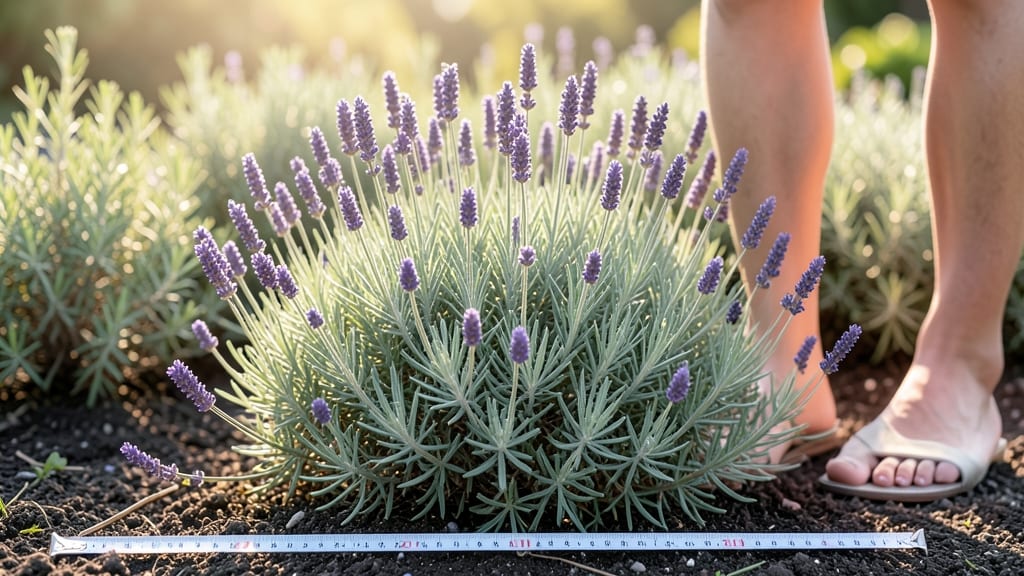
A lavender tree grows to 3 to 8 feet tall, depending on the variety and how you prune it 🌿—so before you plant, knowing the exact range saves you from overcrowded or underwhelming results.
Picture this: you’ve spent weeks nurturing your lavender, only to realize it’s either dwarfed by your patio furniture or towering over your garden bed. The truth is, some varieties stay compact, while others stretch skyward—without the right care, even a 6-foot plant can end up leggy or stunted.
Here’s what actually controls the height: pruning techniques, soil drainage, and sunlight exposure. A hard prune in spring can keep a lavender tree at 3 feet, while neglect might send it shooting up to 8 feet—and yes, that includes the "tree" varieties like Lavandula x intermedia.
In this guide, I’ll break down the height expectations by type, share pruning secrets to shape your plant, and reveal the 5 mistakes that sabotage growth. By the end, you’ll know exactly how to grow lavender that fits your space—without surprises.

Lavender tree height by variety: exact growth expectations
When planning your garden, knowing the lavender tree height is crucial—especially since some varieties grow tall enough to rival small trees, while others stay compact like shrubs. The lavender tree you choose will determine whether you need a 6-foot hedge or a 3-foot border plant.
Most lavender varieties are actually shrubs, not true trees, but their upright growth habits earn them the "tree" nickname.
Height varies dramatically between species: English lavender (Lavandula angustifolia) typically reaches 2-3 feet, while Grosso lavender (Lavandula x intermedia) can tower up to 5 feet or more.
Spanish lavender (Lavandula stoechas) often stays under 3 feet but has striking purple pom-pom flowers that add vertical interest. Understanding these differences helps you avoid overcrowding or underutilizing space.
Here’s a quick reference for lavender tree height expectations by popular variety, including how pruning affects their mature size:
| Variety | Mature Height (ft) | Spread (ft) | Pruning Impact | Best For |
|---|---|---|---|---|
| English Lavender (Lavandula angustifolia) | 2–3 ft | 2–3 ft | Light pruning maintains shape; hard pruning reduces height by 30% | Borders, containers, fragrant hedges |
| Grosso Lavender (Lavandula x intermedia) | 4–5 ft | 4–5 ft | Minimal pruning; can reach 6+ ft if unpruned | Backyard focal points, privacy screens |
| Spanish Lavender (Lavandula stoechas) | 2–3 ft | 2–3 ft | Shear after blooming to encourage bushiness | Mediterranean-style gardens, pollinator magnets |
| Dwarf English (Lavandula angustifolia 'Hidcote') | 1–2 ft | 1–2 ft | No pruning needed; stays compact naturally | Rock gardens, window boxes, fairy gardens |
| Provence Lavender (Lavandula x intermedia 'Provence') | 3–4 ft | 3–4 ft | Prune in late winter to control height | Herb gardens, cottage-style landscapes |
If you’re wondering, "How tall does a lavender tree grow in containers?"* expect 20–30% smaller heights due to root restrictions. For example, a Grosso lavender in a 15-gallon pot might max out at 3–4 feet instead of its full 5-foot potential.
Container-grown lavender also benefits from annual pruning to prevent legginess.
Climate plays a role too: lavender in USDA Zones 5–9 grows taller in warmer zones (like Zone 9) where it thrives year-round, while Zone 5 gardeners may see slightly stunted growth in colder winters.
Always plant in well-draining soil—waterlogged roots can reduce height by up to 50% over time.
For a lavender tree hedge, space plants 2–3 feet apart if using dwarf varieties like 'Hidcote', or 4–5 feet apart for taller types like 'Provence'.
This ensures airflow and prevents fungal diseases that can weaken stems and limit height. Mulch with gravel or pine needles to retain moisture without suffocating roots.
Pro tip: If you love the look of a tall lavender tree but have limited space, opt for espalier training. This technique grows lavender flat against a fence or wall, reducing its footprint by 70% while maintaining height.
Just prune new growth back by 1/3 annually to encourage a tree-like silhouette.
Remember, lavender’s height isn’t set in stone—it’s shaped by your care. With the right variety and pruning, you can turn a 2-foot shrub into a 6-foot statement plant or keep a 5-foot giant neatly trimmed to 3 feet.
Start with the right expectations, and your lavender will thrive at the perfect height for your garden’s vision.
How pruning affects lavender tree height: science-backed techniques
Pruning your lavender tree isn’t just about shaping—it’s the key to controlling its height and bushiness. Without proper pruning, even a standard lavender variety can grow uncontrollably tall, reaching up to 8 feet or more.
But with the right techniques, you can keep it compact, encourage denser blooms, and maintain that fragrant, tree-like silhouette you love. The science is simple: prune at the right time and use the correct method to avoid stunting growth or creating leggy stems.
Lavender responds best to light pruning in early spring or immediately after flowering. This timing ensures you’re cutting back old wood while encouraging new, vigorous growth.
Hard pruning—cutting back one-third of the plant’s height—can reset a lavender tree’s growth cycle, but it’s a drastic measure that should only be used every 2-3 years to avoid stress.
For most gardeners, annual light shaping is the sweet spot for maintaining height while keeping your lavender healthy and thriving.
⚠️ WARNING: Pruning Mistakes That Stunt Growth Lavender is tough but not invincible. Over-pruning in late fall or winter can leave your plant vulnerable to cold damage and fungal infections.
Worse, cutting into old, woody stems too aggressively can kill the plant—lavender doesn’t regrow from bare wood like some shrubs.
And here’s the kicker: pruning at the wrong angle (leaving stubs or cutting too close to new buds) can create ugly, sparse growth and even reduce flowering by up to 40%. Always use sharp, clean pruners and cut just above a leaf node to encourage new shoots.
For height control, the hard pruning method is your best bet if your lavender has gotten too tall or leggy. In early spring, before new growth begins, cut back one-third of the plant’s height—but never more than one-third.
This forces the lavender to branch out and fill in, reducing its overall height by 2-3 feet over the growing season. For example, a 6-foot lavender tree pruned this way will likely rebound to 3-4 feet by summer. Repeat this every 2-3 years to keep it manageable.
If you prefer a more gradual approach, opt for annual light shaping after flowering. Simply trim back 10-15% of the plant’s height to remove dead or woody stems and encourage new growth. This method keeps your lavender compact and bushy without drastic height changes.
For dwarf varieties like Lavandula angustifolia 'Hidcote', even minimal pruning (just removing spent blooms) is enough to maintain their 3-4 foot height.
Timing is everything when it comes to pruning lavender. Never prune in late summer or fall, as this can weaken the plant before winter dormancy. Instead, prune in early spring (just as new shoots emerge) or right after flowering (late summer).
This timing ensures your lavender has plenty of time to recover and harden off before cold weather. Pro tip: avoid pruning in extreme heat—lavender stresses easily when temperatures exceed 90°F, so wait for cooler mornings.
To avoid stunting growth or creating leggy stems, always use sterilized pruning shears and make cuts at a 45-degree angle just above a leaf node. This encourages new shoots to grow from the right spot, keeping your lavender dense and healthy.
And remember: less is more with lavender. Over-pruning can reduce flowering and weaken the plant, so stick to light, strategic cuts unless you’re doing a hard reset. With the right approach, your lavender tree will stay at your desired height while bursting with fragrance and color.