
How To
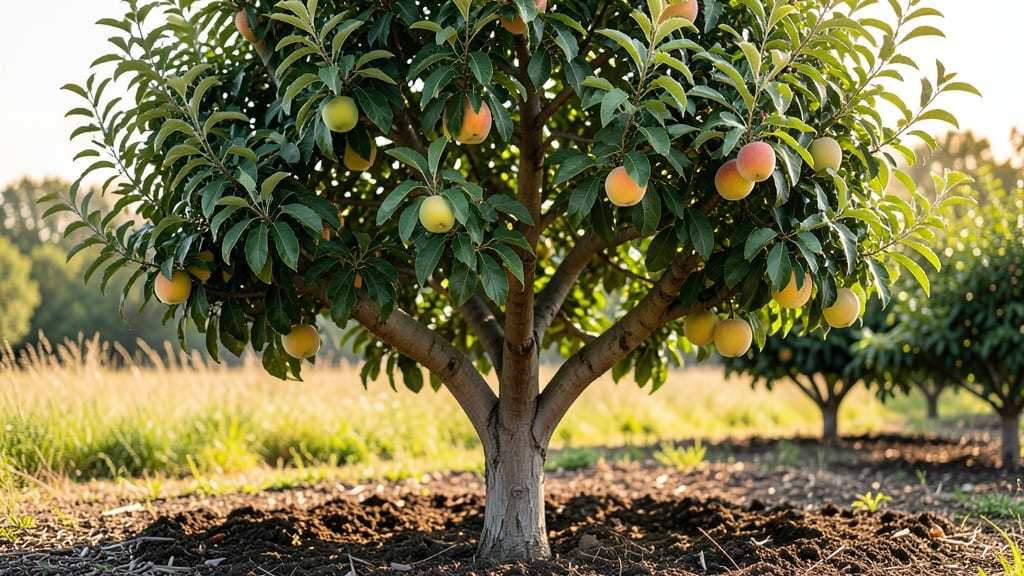
A peach tree can grow anywhere from 10 to 25 feet tall, depending on the variety and care you give it 🍑 — but that doesn’t mean you’re stuck with a towering giant in your backyard.
Picture this: you’ve just planted your dream peach tree, only to realize it’s on track to block your patio or shade your pool. The good news? With the right rootstock and pruning, you can keep it at a manageable height—even in a small space.
Standard varieties reach 20–30 feet, while dwarf types stay under 12 feet. The key is choosing the right variety for your yard and learning a few simple pruning tricks to shape its growth early on.
In this guide, I’ll break down how to control your peach tree’s height, from selecting the perfect variety to seasonal pruning tips that keep it productive—and your space usable.

Peach tree height by variety: dwarf to standard sizes explained
Choosing the right peach tree variety is the first step to controlling its height. Standard varieties can reach 20-30 feet, while dwarf varieties stay between 8-12 feet. The difference isn’t just about aesthetics—it impacts fruit production, ease of harvest, and even your garden layout.
Many home gardeners mistakenly assume all peach trees grow tall, but with the right selection and care, you can enjoy peaches in even the smallest yards.
Peach tree height depends on three key factors: the rootstock used, the cultivar (variety), and your pruning practices. For example, a Redhaven peach on a standard rootstock will dwarf a Bonanza grafted onto semi-dwarf rootstock.
Understanding these factors lets you plan for the perfect-sized tree that fits your space while still yielding delicious fruit.
Mature height varies dramatically between varieties, but most fall into three categories: dwarf (under 12 feet), semi-dwarf (12-18 feet), and standard (20+ feet). Dwarf varieties are ideal for containers or small patios, while semi-dwarf trees strike a balance for most backyards. Standard trees need ample space but produce the largest harvests. Here’s how they compare:
| Variety Type | Mature Height | Spacing Needs | Sunlight Needs | Best For |
|---|---|---|---|---|
| Dwarf (e.g., Bonanza, Redtop) | 8–12 ft | 10–15 ft apart | Full sun (6+ hrs) | Containers, small yards |
| Semi-Dwarf (e.g., Elberta, Reliance) | 12–18 ft | 15–20 ft apart | Full sun (8+ hrs) | Backyards, orchards |
| Standard (e.g., Redhaven, Halehaven) | 20–30 ft | 25–30 ft apart | Full sun (8+ hrs) | Large properties, orchards |
If you’re planting in a small urban yard, dwarf varieties like Bonanza or Redtop are excellent choices. These trees stay compact but still produce 200+ pounds of fruit annually when properly cared for.
For larger properties, semi-dwarf varieties like Elberta offer a middle ground—taller than dwarfs but easier to manage than standards. Always check the rootstock when buying, as this determines 50% of the tree’s mature height.
Another common misconception is that older trees can’t be controlled. While mature trees are harder to reshape, regular pruning and thinning can keep even standard varieties manageable. For example, a 20-foot Redhaven can be pruned to maintain a 15-foot height without sacrificing fruit production.
The key is to prune during the dormant season (late winter) and remove suckers (shoots growing from the base) regularly.
Sunlight is non-negotiable for peach trees—all varieties need at least 6-8 hours of direct sun daily. Without enough light, trees grow leggy, produce fewer peaches, and may even develop fungal diseases like brown rot.
If your yard has limited sun, consider a south-facing wall or greenhouse growing for containerized dwarf varieties. Just remember: even dwarf trees need full sun to thrive.
Spacing is another critical factor often overlooked. Planting trees too close together leads to competition for nutrients, stunted growth, and poor air circulation (which invites pests).
Follow the spacing guidelines in the table above, and add 3-4 inches of compost to the planting hole to give roots a nutrient boost. For container growing, use 15-gallon pots for dwarf varieties and upgrade to 30-gallon pots as the tree matures.
Climate plays a surprising role in peach tree height. Trees in warmer climates (USDA Zones 7-9) grow faster and taller than those in cooler zones (Zone 6 or below).
If you’re in a shorter growing season, choose early-maturing varieties like Redhaven or Suncrest, which focus energy on fruit rather than excessive height. In colder zones, semi-dwarf varieties are often the best compromise—they mature quickly but stay manageable.
For the best results, combine the right variety with consistent care. Water deeply once a week during dry spells, fertilize with a balanced 10-10-10 formula in spring, and prune annually to remove dead or crossing branches
Pruning techniques to control peach tree height and shape
Peach trees naturally grow between 15-25 feet tall, but with strategic pruning techniques, you can shape them to fit your space—whether that’s a dwarf variety at 8 feet or a managed standard tree at 12 feet.
The key lies in two primary methods: open-center pruning (for bushier growth) and central leader pruning (for vertical control). Both require timing, the right tools, and a clear goal for your tree’s final height.
Timing is everything when pruning peach trees. Winter pruning (dormant season) is ideal for shaping, while summer pruning (after harvest) helps control height by reducing vigorous growth.
Avoid pruning in late summer or early fall, as this can stimulate tender new growth that won’t harden off before winter, leaving your tree vulnerable to frost damage.
Open-Center vs. Central Leader Pruning
- ✅ Bushier shape (ideal for small spaces)
- ✅ Better airflow (reduces disease risk)
- ✅ Easier harvesting (fruit closer to ground)
Best for: Dwarf varieties or trees in containers.
- ✅ Taller, vertical growth (traditional look)
- ✅ Stronger scaffold branches (supports heavy fruit)
- ✅ Better for standard varieties (15+ feet)
Best for: Standard peach trees in large yards.
- ❌ Over-pruning (stunts growth)
- ❌ Pruning at wrong time (late summer/fall)
- ❌ Using dull tools (tears bark, invites disease)
Remove suckers (shoots at base) and water sprouts (vertical shoots) regularly to redirect energy to fruit production.
Start by selecting your pruning method based on your tree’s variety and space constraints. For an open-center shape, remove the central leader early and encourage 3-5 main branches to form a rounded canopy.
For a central leader, keep one dominant trunk and prune lower branches to maintain vertical growth. Always use clean, sharp pruners to make cuts just outside the branch collar (the swollen area where the branch meets the trunk).
When pruning, aim to remove no more than 25% of the tree’s foliage in one session to avoid stress. Focus on dead, diseased, or crossing branches first, then thin out interior branches to improve light penetration.
For height control, target the uppermost branches—cutting these back by 1/3 of their length encourages bushier growth at a lower height.
After pruning, apply a wound sealant (optional for peach trees) to larger cuts over 1/2 inch in diameter to prevent disease entry. Water deeply to help the tree recover, and monitor for new growth.
Within a few weeks, you’ll see fresh shoots emerging where you made cuts—this is a sign your pruning is working! Regular pruning (annually for young trees, every 2-3 years for mature trees) keeps your peach tree at your desired height while ensuring a bountiful harvest.
Remember, peach trees respond well to consistent care. Combine pruning with proper watering and fertilization to maintain a healthy tree that stays within your space limits. With patience and practice, you’ll master the art of shaping your peach tree to fit your backyard perfectly. 🌱✂️🍑