
How To
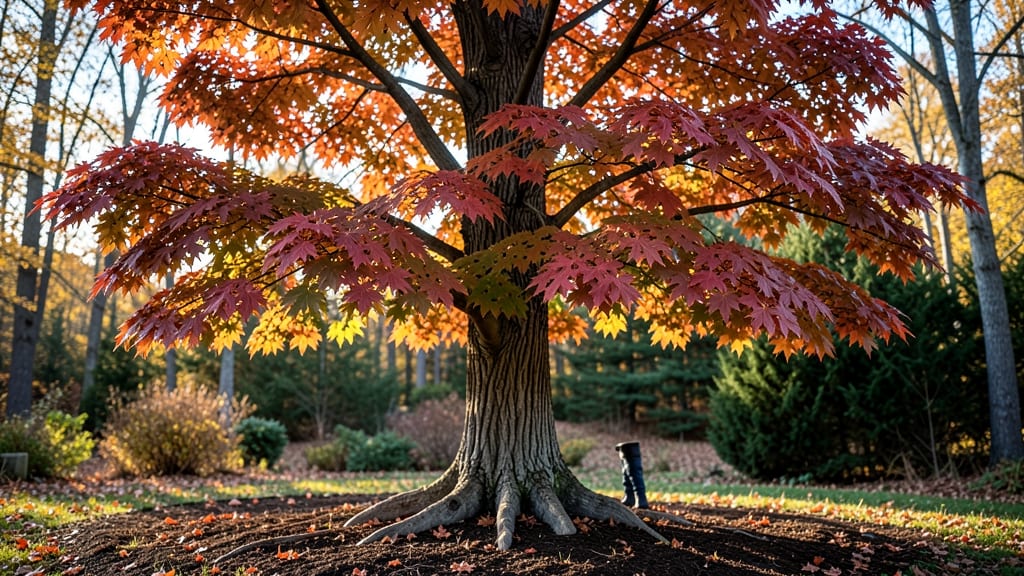
A maple tree grows to how tall does a maple tree grow heights between 40 and 120 feet depending on the species, making it a stunning but space-conscious choice for any landscape.
If you're dreaming of a stunning shade tree but worry about space constraints, maple trees offer both beauty and impressive height—without always dominating your yard.
Some varieties, like the fast-growing Silver Maple, can shoot up 3-5 feet per year in ideal conditions, while dwarf cultivars stay under 25 feet and thrive in tight urban spaces.
Below, I’ll break down the tallest and shortest maple cultivars, how climate and soil influence growth, and the pruning strategies to keep your tree manageable—no matter how ambitious it gets.

Maple tree height by cultivar: fastest-growing varieties and their mature sizes
Choosing a maple tree for your landscape means balancing height ambitions with space realities. Some cultivars reach 100 feet tall in ideal conditions, while others stay compact enough for urban yards. The key is selecting a variety that matches your growth goals and available space.
Below, I’ve compared the top 10 fastest-growing maple cultivars, including their mature heights and growth rates, so you can make an informed choice.
Fast growth doesn’t always mean uncontrollable height. Many of these varieties grow 3-6 feet per year when young but slow as they mature.
For example, the Silver Maple can add 5 feet annually in its first decade, while the Freeman Maple grows 2-3 feet per year but stays more manageable. Understanding these rates helps you plan for long-term spacing and pruning needs.
Urban gardeners often prioritize compact cultivars like the 'Autumn Blaze' or 'Red Sunset', which max out at 40-50 feet. Meanwhile, rural landscapes can accommodate giants like the Sugar Maple or Norway Maple, which tower over 100 feet. The right choice depends on your property size, neighboring structures, and long-term vision for the tree’s role in your yard.
Here’s a quick comparison of the fastest-growing maple cultivars, including their mature heights, growth rates, and ideal spacing for both urban and rural settings:
How to estimate maple tree growth over time: pruning and spacing tips
Estimating how tall your maple tree will grow requires understanding its species-specific growth rate and environmental factors. Most maples grow 1-3 feet per year in ideal conditions, but some fast-growing varieties like Silver Maple can reach 60-75 feet in just 20 years.
To plan effectively, track annual growth by measuring trunk diameter or canopy spread each spring.
Pruning plays a critical role in managing height and shape. Structural pruning during dormancy (late winter) removes water sprouts and weak branches, while crown thinning improves airflow and sunlight penetration. For young trees, limit pruning to 10-15% of foliage to avoid stress, and always use sterilized tools to prevent disease.
⚠️ callout-warning
Maple trees grow faster than expected—a 10-foot sapling can reach 40 feet in 15 years without proper spacing. Root systems spread 2-3x canopy width, so planting too close to fences or structures risks root damage or property disputes. Always check local setback laws before planting.
Spacing is just as important as pruning for long-term success. Standard maples need 40-60 feet of clearance in all directions, while dwarf varieties (like 'Autumn Blaze') thrive with 15-20 feet of space.
When planting near sidewalks or driveways, leave at least 10 feet to prevent root conflicts with underground utilities or pavement heave.
To estimate future height, use the 30-Year Rule: Multiply the tree's current height by 3. For example, a 15-foot maple at age 10 will likely reach 45 feet by maturity. Adjust this formula for fast-growing species (add 20%) or slow-growing varieties (subtract 10%).
Regular monitoring is key—take annual photos from the same angle to compare growth patterns. If your maple outgrows its space, crown reduction pruning can safely lower height by 20-30%**, but avoid cutting more than 25% of foliage in a single session to prevent shock.
Always prune just outside the branch collar to promote faster healing.
For urban gardens, consider columnar maples like 'Columnare', which grow 20-30 feet tall but stay narrow (under 10 feet wide). These varieties offer shade without sprawling roots, making them ideal for small yards or tight spaces between buildings.
Pair them with mulch rings to retain moisture and suppress weeds.