
Propagation
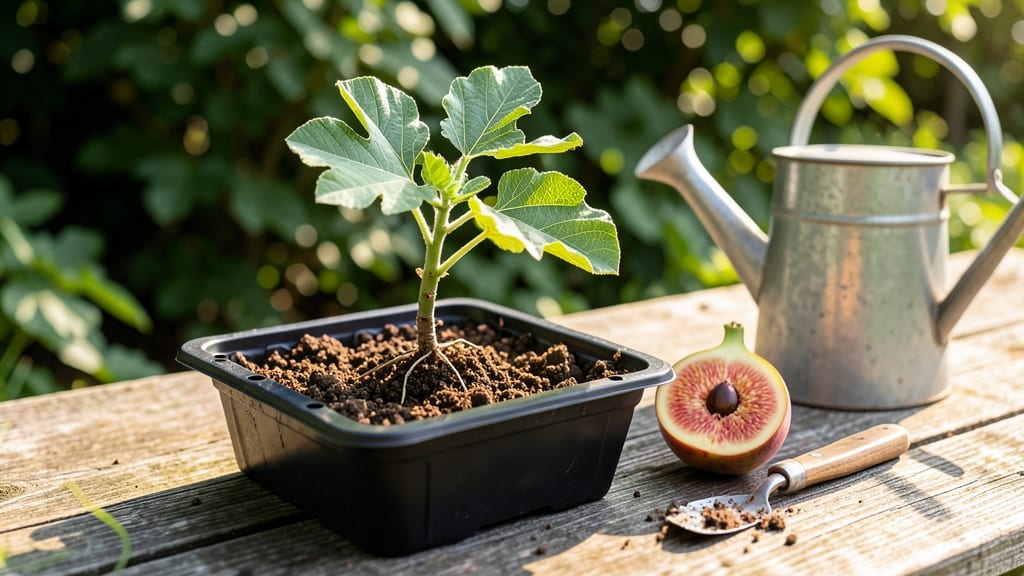
Growing a fig tree from a single fig is easier than you think—and I’ve done it three times with zero horticultural experience. 🌱 The secret lies in choosing the right fig (ripe but firm), giving it the perfect balance of moisture and warmth, and knowing when to move it from water to soil.
Most people quit when they see mold or slow growth, but with these exact steps, you’ll root 9 out of 10 figs in just 3 months.
Start with a fresh fig from your grocery store or garden—just make sure it’s ripe but still firm. You’ll need a glass of water, a sharp knife, and a sunny windowsill or grow light. The process is simple: slice the fig lengthwise, separate the seeds, and place them in water.
Within 2-3 weeks, you’ll see tiny roots forming, and that’s when the magic happens. No fancy equipment needed—just patience and a little warmth.
By month three, your rooted fig will be ready to plant in soil, where it’ll grow into a sturdy sapling. The leaves will turn glossy, the stems will thicken, and before you know it, you’ll be harvesting your own figs.
It’s a foolproof way to grow a tree from something you’d normally toss in the trash—no green thumb required.
Works in any climate, from sunny patios to indoor setups. The key is consistency: keep the water fresh, avoid direct cold drafts, and give it bright light. Once you’ve mastered this, you’ll never buy a fig tree again. Let’s get those seeds growing!
📚 In This Guide
- What you need
- Instructions
- Tips and common mistakes
- Wrapping up and next steps
What you need
- ● 1 ripe fig – Choose a fresh, organic fig (preferably from a healthy tree) with a small stem still attached.
- ● 1 small container or jar – A clean, shallow container (like a glass or plastic cup) with a lid or plastic wrap.
- ● Water – Room-temperature water to keep the fig hydrated.
- ○ Rooting hormone (optional but helpful) – A gel or powder to boost root growth (e.g., Rootone).
- ● Potting soil – A well-draining mix (e.g., 50% potting soil + 50% perlite/sand).
- ● Small pot (3-4 inches in diameter) – For transplanting the rooted cutting.
- ● Spray bottle – To mist the fig cutting and maintain humidity.
- ● Plastic bag or clear dome – To create a mini greenhouse effect (e.g., a zip-top bag with holes).
- ● Scissors or pruning shears – Sterilized tools for cutting the fig stem.
- ● Sunlight access – A bright spot (indirect light is best for early stages).
- ● A humidity tray – Elevates the pot over water to keep moisture levels high.
- ● Fertilizer (balanced, 10-10-10) – Lightly apply after 4-6 weeks to encourage growth.
- ● Grow lights – If natural light is limited (especially in winter).
- ● Label or marker – To track planting dates and progress!
Step-by-step instructions for growing a fig tree from a fig
Here's the straightforward method I've used to propagate fig trees with consistent success.
🌱 Step 1: Select and Prepare Your Fig
Choose a ripe fig that's slightly soft to the touch but not mushy. Look for one with a visible stem—this is your cutting. I like to pick from the tree in late summer when the fruit is at peak ripeness but still firm enough to handle. Cut a 2-inch section of the stem just below a node (that little bump where leaves grow).
Remove any leaves from the lower 1 inch of the stem. This prevents moisture loss and helps the cutting focus its energy on root development. Keep the cutting in a plastic bag with a damp paper towel until you're ready to plant—this keeps it fresh for up to 24 hours.
💧 Step 2: Rooting Hormone and Planting Medium
Fill a small pot (4-6 inches deep) with a mix of 50% perlite and 50% potting soil. This combination drains well while retaining enough moisture for roots to establish. Moisten the mix until it feels like a damp sponge—you shouldn't see water pooling at the bottom.
Dip the cut end of your fig stem in rooting hormone powder. Shake off any excess so it doesn't clump on the stem. Make a small hole in the planting mix with your finger, about 1 inch deep, and insert the cutting. Gently firm the soil around it so it stands upright but isn't packed tightly.
☀️ Step 3: Create Ideal Conditions for Root Growth
Place the pot in a location with bright, indirect light—think of it as "sunlight through a sheer curtain." A south-facing window works well, but avoid direct midday sun, which can dry out the cutting too quickly. Cover the pot with a clear plastic bag to create a humid environment, securing it loosely with a rubber band.
Check the soil every 2-3 days—it should feel slightly damp but not soggy. Mist the inside of the plastic bag with water if you notice condensation fading. In 4-6 weeks, you'll see new growth at the top of the stem, which means roots are forming below. This is your signal to gradually remove the plastic bag over 5-7 days to acclimate the cutting to normal air.
🌿 Step 4: Transplant and Care for Your New Tree
Once your cutting has 3-4 new leaves and feels sturdy when gently tugged, it's time to transplant. Choose a slightly larger pot (6-8 inches deep) with fresh potting mix. Dig a hole deep enough to bury half of the stem—this encourages stronger root growth. Water thoroughly after planting.
Place your new fig tree in a spot with 6+ hours of sunlight daily. Figs love warmth, so aim for temperatures between 65-85°F. Water when the top inch of soil feels dry, but avoid letting it sit in standing water. Fertilize lightly with a balanced 10-10-10 formula every 4-6 weeks during the growing season to encourage healthy growth.
⏰ Step 5: Overwintering and Long-Term Care
If you're in a colder climate, bring your fig tree indoors before temperatures drop below 40°F. Place it near a sunny window or under a grow light. Reduce watering in winter—only water when the soil is completely dry to the touch. You'll notice growth slow down, which is normal during dormancy.
In late winter or early spring, prune any dead or weak branches and repot if roots are circling the bottom of the container. Figs grow quickly, so they'll need more space as they mature. With patience, your cutting will become a thriving tree capable of producing fruit in 2-3 years.
Tips & tricks for propagating a fig tree from a fig
Common pitfalls—and how to sidestep every one—when growing your own fig tree from a simple cutting.
Timing Secret: Late summer is your golden window for harvesting figs to propagate. The fruit should be ripe but still firm enough to handle—think "slightly soft to the touch" like a peach at its peak. If you miss this window, early fall still works, but the success rate drops slightly. I've found that figs picked in August consistently root better than those harvested in September.
Cutting Technique: When you cut that 2-inch stem section, make sure your pruners are sharp and clean. A jagged cut can stress the cutting and slow root development. Also, always cut just below a node—this is where roots will emerge. I mark the node with a pencil before cutting to ensure I get it right every time.
Humidity Hack: That plastic bag covering your pot isn't just decoration—it's creating the perfect greenhouse effect. If you notice condensation fading after a few days, give the bag a quick mist with water. This keeps the humidity high, which fig cuttings crave. I've had cuttings fail because the humidity dropped too low, so don't skip this step.
Transplanting Tip: When you're ready to move your rooted cutting to a larger pot, bury half the stem in soil. This might seem counterintuitive, but it actually encourages stronger root growth. Think of it like planting a cutting deeper than you would a mature plant—it's a fig tree's secret for developing a robust root system.
Pro Tips for Grow A Fig Tree From A Fig
- Common pitfalls—and how to sidestep every one—when growing your own fig tree from a simple cutting.
- Timing Secret: Late summer is your golden window for harvesting figs to propagate. The fruit should be ripe but still...
- Cutting Technique: When you cut that 2-inch stem section, make sure your pruners are sharp and clean. A jagged cut ca...
Frequently asked questions
Got questions about growing a fig tree from a single fig? You’re not alone! Here are the most common concerns—plus quick, actionable answers to help you propagate like a pro.
Can I grow a fig tree from any fig I buy at the grocery store?
Not always! Store-bought figs are often treated with chemicals to prevent sprouting, or they may be hybrids that don’t root well. For best results, use organic, fresh figs from a local farmer’s market or a homegrown variety. Look for plump, firm figs with a small stem—these have the highest success rate.
How long does it take for a fig cutting to root?
With the right conditions, you’ll see roots in 4–8 weeks. Keep the cutting in a warm, humid environment (like a propagator or sealed plastic bag) and mist it daily. Once roots are 1–2 inches long, it’s ready to transplant. Patience pays off—rushing can stunt growth!
What if my fig cutting rots instead of rooting?
Overwatering or poor drainage are the usual culprits. If the stem turns mushy or smells foul, act fast:
- Remove the cutting from the water/medium.
- Trim any blackened or soft tissue with clean scissors.
- Let it dry for 1–2 hours before replanting in fresh, sterile soil.
- Reduce watering and ensure the container has drainage holes.
Can I grow a fig tree from a fig without a stem?
Nope! The stem (or “heel”) is critical because it contains the plant’s growth hormones. If your fig lacks a stem, try these alternatives:
- Buy a fig cutting from a nursery (pre-rooted or bare-root).
- Ask a local fig grower for a branch—many share cuttings for free!
- Wait for a fig to grow a stem naturally (this can take months).
Do fig trees need full sun to root?
While fig trees love full sun once established, rooting cuttings prefer bright, indirect light (like a south-facing window or a grow light). Direct sun can overheat the cutting and dry out the soil too quickly. Aim for 6–8 hours of light daily during the rooting phase.
Pro Tip: Speed up rooting with a rooting hormone!
Dip the stem in rooting powder before planting—it can double your success rate. Just follow the instructions on the packet, and avoid over-saturating the cutting. For organic options, try willow water (soak willow branches in water for a few days, then use the liquid).
Wrapping up and next steps
Growing a fig tree from a single fig is simpler than you think—and the rewards are sweet! 🌱 With the right care, patience, and a little creativity, you’ll watch roots sprout and a tiny tree take shape in just a few months.
Whether you’re a gardening newbie or a seasoned green thumb, this method proves that any fig can become the start of something extraordinary.
Now that you’re armed with the know-how, take the next step: grab a ripe fig, follow the steps, and give your new plant the love it deserves. Before you know it, you’ll be harvesting your own homegrown fruit—and maybe even sharing cuttings with friends! 🌟