
Size
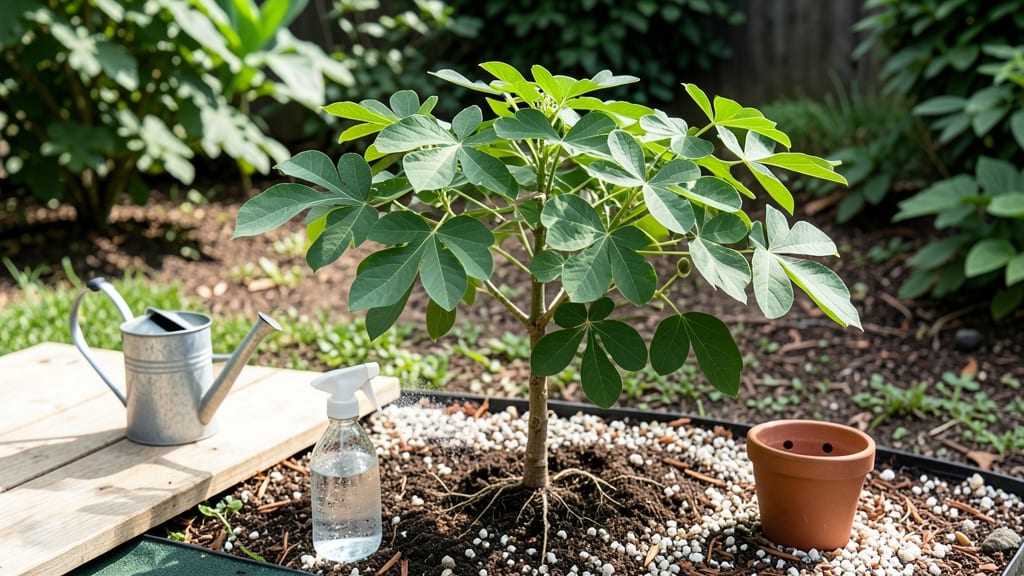
How to grow a moringa tree indoors is faster than you think—those first leaves can appear in just 5-7 days with the right setup. 🌱 I’ve watched my own moringa seedlings sprout in record time by cracking the seed shells before planting, which tricks them into germinating like they’re already in warm soil. The key isn’t just patience—it’s knowing how to mimic the tropical conditions moringa craves indoors.
You’ll need minimal supplies: a sunny windowsill or grow light, well-draining potting mix (moringa hates soggy roots), and a pot with drainage holes—even a repurposed coffee can works. Temperature stays the secret weapon: keep it between 70-85°F with a humidity tray underneath to prevent leaf crisping.
Most people overwater, but moringa’s drought-tolerant once established—think of it as a desert survivor in a houseplant’s body.
By month 3, you’ll be harvesting leaves packed with 7x more protein than spinach, and the plant stays compact enough for a countertop.
The trick to keeping it productive is pruning regularly—pinch back the top set of leaves when the plant hits 12 inches, and it’ll branch out like a bush. No fancy fertilizers needed; a balanced liquid feed every 4 weeks keeps it thriving.
Common pitfalls? Yellow leaves mean overwatering, while slow growth usually signals low light. Moringa’s fast but finicky—master these basics, and you’ll have a year-round harvest of nutrient-dense greens without stepping outside. Here’s how to avoid the rookie mistakes that kill most indoor attempts.
📚 In This Guide
- What you need
- Instructions
- Tips and common mistakes
- Wrapping up and next steps
What you need
- ● Moringa seeds: 3–5 organic, non-GMO seeds (preferably from a reputable supplier).
- ● Seed-starting mix: 1 small bag (5–10 lbs) of lightweight, well-draining potting soil (e.g., coco coir + perlite blend).
- ● Containers: 1–2 4–6 inch pots with drainage holes (for seedlings).
- ● 1 12–16 inch pot or hanging planter (for mature growth).
- ● Watering can or spray bottle: With a fine mist nozzle for gentle hydration.
- ● Grow lights or sunny windowsill: 6+ hours of bright, indirect light daily (south-facing window or LED grow lights).
- ● Humidity dome or plastic wrap: To retain moisture during germination.
- ● Fertilizer: Balanced liquid fertilizer (e.g., 10-10-10) or organic options like fish emulsion.
- ● Pruning shears: Small, sharp pair for trimming.
- ● Self-watering pot to maintain moisture levels.
- ● pH testing kit (ideal soil pH: 6.0–7.0).
- ● Organic compost or worm castings for nutrient boosts.
- ● Trellis or stakes (if growing tall varieties).
- ● Air purifier or small fan to improve air circulation.
Step-by-step instructions for growing moringa trees indoors
Here's how to coax rapid germination and keep your moringa thriving in compact indoor spaces.
🌱 Step 1: Prepare Seeds for Fast Germination
Moringa seeds germinate fastest when pre-soaked. Fill a small bowl with warm water (80-85°F) and add the seeds. Let them soak for 6-12 hours—you'll see them plump up noticeably. This softens the tough outer shell and triggers quicker sprouting.
After soaking, drain the water and place the seeds between damp paper towels. Roll them gently to ensure even moisture contact, then seal in a plastic bag. Store in a warm, dark place (75-80°F) until you see tiny white roots emerge—usually within 2-3 days. Real talk: Don't skip this step. Dry seeds can take 2 weeks or more to sprout.
🪴 Step 2: Plant in Well-Draining Soil Mix
Use a light, airy potting mix blended with 20% perlite or coarse sand to prevent root rot. Fill a 6-inch diameter pot with the mix, leaving 1 inch of space at the top. Press the soil down lightly so it's firm but not compacted—you want roots to penetrate easily.
Plant each pre-sprouted seed 1 inch deep, spacing them 2-3 inches apart if growing multiple. Gently pat the soil around the seeds to eliminate air pockets. Water lightly until moisture reaches 2 inches deep, but avoid soggy soil. Here's the thing—moringa hates wet feet. If your pot lacks drainage holes, add a layer of gravel at the bottom first.
☀️ Step 3: Provide Bright, Indirect Light Immediately
Moringa seedlings need bright, indirect light (12-14 hours daily) to prevent leggy growth. Place your pot near a south-facing window or under grow lights (4000K-6500K spectrum) positioned 12-18 inches above the plants. You'll notice seedlings stretch toward light if they're too far away—this is their way of begging for more photons.
Rotate the pot a quarter turn every 3 days so the plant grows straight instead of leaning. If leaves yellow or grow pale, your light is insufficient. Moringa can tolerate some direct morning sun, but afternoon intensity can scorch tender leaves. Watch for crispy edges—that's your warning to adjust placement.
💧 Step 4: Water Consistently Without Overdoing It
Water when the top 1-2 inches of soil feel dry to the touch. Stick your finger in—if it comes out clean, it's time to water. Use room-temperature water and water until it runs out the drainage hole. Empty the saucer afterward to prevent root suffocation.
Moringa is drought-tolerant once established, but seedlings need consistent moisture. I water mine every 2-3 days in summer, reducing to every 5-7 days in winter. Overwatering is the #1 killer—yellowing leaves or mushy stems mean you're drowning the roots. Let the soil dry slightly between waterings, especially in cooler months.
✂️ Step 5: Prune for Compact Growth and Harvesting
Pinch off the top set of leaves when the plant reaches 12 inches tall to encourage bushier growth. This forces energy into lateral branches instead of just vertical stretching. You'll see new side shoots emerge within 2-3 weeks—that's your reward for pruning.
Harvest leaves by snipping young, tender growth just above a leaf node. Never take more than 25% of the plant at once, or it'll struggle to recover. Regular harvesting actually stimulates more growth—it's like telling the plant, "Yes, you're doing great, keep going!" For compact indoor trees, prune again when branches reach 18 inches to maintain manageable size.
Tips & tricks for perfect indoor moringa growth
Fast germination and compact growth start with these game-changing strategies that'll have your moringa thriving indoors.
Germination Speed Boost: The 6-12 hour warm water soak is non-negotiable for breaking dormancy, but here's the secret: use a thermometer to maintain exactly 80-85°F. If your water feels lukewarm to the touch, it's too cool—moringa seeds need that gentle heat to activate. I place my bowl on top of my fridge (where it's warmest) for consistent temperatures. Once seeds plump up, don't rush to plant them immediately—let them sit in the damp paper towels for that full 2-3 day root emergence window. This patience prevents leggy seedlings later.
Soil Science Secret: That 20% perlite/sand mix isn't just about drainage—it's about aeration. Moringa roots need oxygen to thrive, and compacted soil suffocates them. After planting, gently press the soil around seeds with your finger (not a trowel) to create tiny air pockets. Pro tip: If your potting mix contains coconut coir, mix in an extra 10% perlite—coir holds too much moisture and can cause damping-off disease in seedlings. The goal is soil that feels like a damp sponge, not a wet rag.
Light Hack for Small Spaces: You don't need a sunroom to grow moringa indoors. For apartments without south-facing windows, I use a combination of a 6500K LED grow light (positioned 12 inches above) for 8 hours and a sunny windowsill for the remaining 4-6 hours. The key is mimicking natural daylight cycles—moringa senses light duration, not just intensity. If your seedlings stretch toward the light (a condition called etiolation), you're either too far away or need more hours. Rotate the pot daily instead of every 3 days if you notice uneven growth toward the light source.
Watering Wisdom: The finger-check method is foolproof, but here's what nobody tells you: moringa seedlings actually prefer slightly drier conditions than mature plants. After watering, let the top 1-2 inches dry out completely before watering again—this prevents the fungal issues that plague indoor growers. In winter, when humidity drops, I reduce watering to every 7-10 days and use a humidity tray (pebble tray with water) under the pot to maintain moisture levels. Watch for crispy leaf edges—that's your plant's way of saying "I'm thirsty" before it's too late.
Pro Tips for Grow Moringa Tree Indoors
- Fast germination and compact growth start with these game-changing strategies that'll have your moringa thriving indo...
- Germination Speed Boost: The 6-12 hour warm water soak is non-negotiable for breaking dormancy, but here's the secret...
- Soil Science Secret: That 20% perlite/sand mix isn't just about drainage—it's about aeration. Moringa roots need oxyg...
Frequently asked questions
Got questions about growing moringa indoors? You’re not alone—here are answers to the most common ones to help you succeed!
How long does it take for moringa seeds to germinate indoors?
Moringa seeds usually sprout in 5–14 days when kept warm (70–85°F) and moist. Place them in a sunny window or under grow lights for faster germination. Patience is key—some seeds take longer, especially if the soil stays too cold or dry.
Can I grow moringa in a small apartment without sunlight?
Moringa thrives under grow lights (LED or fluorescent) for 12–14 hours daily. A south-facing window works too, but supplement with lights if natural light is weak. Just ensure it gets enough warmth and humidity—think tropical vibes!
Why are my moringa leaves turning yellow or dropping?
Yellow leaves often signal overwatering, nutrient deficiency, or pests. Check the soil—it should be damp but not soggy. Feed with a balanced fertilizer every 4–6 weeks, and inspect for spider mites (common indoors). Adjust care, and your tree should bounce back!
How fast can I harvest moringa leaves indoors?
With proper care, you can harvest young leaves in 2–3 months! Start with just a few leaves per branch to encourage regrowth. For continuous harvests, prune regularly and fertilize monthly. Pro tip: Harvest before flowering for the most nutrient-packed leaves!
What’s the best indoor pot size for a moringa tree?
Start with a 5–7 inch pot for seedlings, then upgrade to 10–12 inches as it grows. Moringa has deep roots, so ensure drainage holes are present. Repot every 6–12 months to prevent root-bound stress—your tree will thank you with lush growth!
Wrapping up and next steps
Growing a moringa tree indoors is a rewarding journey—packed with nutritional benefits and compact convenience. With the right light, soil, and care, you’ll enjoy fresh leaves year-round, even in small spaces! Start small, stay patient, and watch your green thumb thrive. 🌱✨
Ready to harvest your first leaves? Begin with just one seedling and let your indoor garden grow—literally and figuratively! 💚