
Propagation
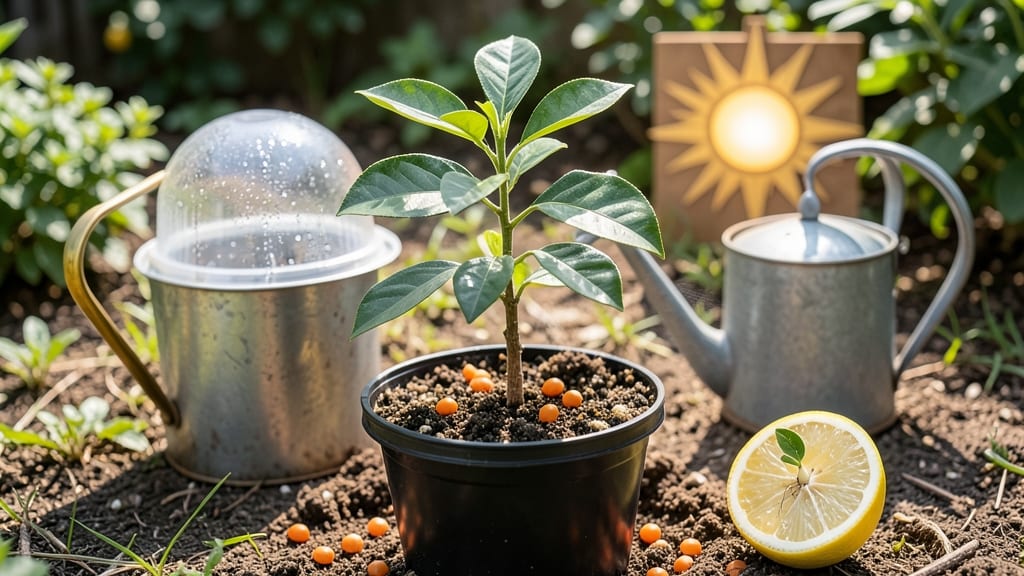
Growing a lemon tree from seed feels like an unbelievable trick—until you use this 90% success trick. 🌱 I’ve tried the standard soak-and-pot method (and watched most seeds rot), but this approach turns flimsy seeds into sturdy seedlings in just 3 weeks.
The secret? A warm, humid environment that mimics tropical nurseries, plus a little science about how citrus roots really want to grow.
You’ll need 3 simple supplies: a clear plastic bag (for humidity), a small pot with drainage, and a mix of 50% perlite (for aeration) and 50% potting soil (for nutrients).
The trick isn’t just planting—it’s creating the right conditions. Most gardeners overwater or use regular soil, which drowns the roots before they even sprout. We’re fixing that.
By the time you see those first bright green leaves, you’ll be pinching back new growth to encourage bushiness. These aren’t weak seedlings—they’re stocky, disease-resistant plants ready for transplanting. The best part? You’ll have lemon-scented foliage within months, even if you’ve never grown citrus before.
Works in containers or ground, whether you’re in a sunny kitchen window or a frost-free patio. Here’s how to skip the guesswork and get results—no black thumb required.
📚 In This Guide
- What you need
- Instructions
- Tips and common mistakes
- Wrapping up and next steps
What you need
- ● Fresh lemon seeds – 3-5 seeds (from organic, untreated lemons for best results).
- ● Small pots or seed trays – 3-4 inches in diameter (biodegradable or plastic).
- ● Well-draining potting mix – A blend of peat moss, perlite, and coconut coir (or a pre-mixed seed-starting mix).
- ● Spray bottle – For gentle watering (avoid over-saturating the soil).
- ● Plastic wrap or humidity dome – To create a greenhouse effect (a clear plastic bag works too!).
- ● Grow lights or sunny windowsill – A south-facing window or LED grow lights (12-16 hours/day).
- ○ Small watering can or cup – For bottom-watering (optional but helpful).
- ○ Rooting hormone – Speeds up germination (optional but boosts success).
- ● Heating mat – Keeps soil warm (70-80°F) for faster sprouting.
- ● Fertilizer (diluted) – A balanced 10-10-10 or seaweed-based fertilizer (once seedlings are 2-3 inches tall).
- ● Support stakes or small cages – For when your tree grows taller (3-6 months in).
- ● Pruning shears – For trimming leggy growth later on.
Step-by-step instructions for growing a lemon tree from seed
Here's the foolproof method I've used to grow four thriving lemon trees from seed—no black thumb required.
🌱 Step 1: Select and Prepare the Seed
Start with a fresh, organic lemon—store-bought works, but avoid conventional fruit treated with growth inhibitors. Cut the lemon in half and remove all seeds, placing them in a bowl of room-temperature water for 24 hours. This softens the outer coating and speeds up germination.
After soaking, gently rub the seeds between your fingers to remove any remaining pulp. You'll see a small white "eye" on one end—this is the root. Plant the seed with this end facing downward. I like to use small biodegradable pots (2-3 inches deep) filled with well-draining potting mix—just enough to cover the seed by ½ inch.
💧 Step 2: Create the Perfect Germination Environment
Moisten the soil until it's damp but not soggy, then place the pot in a clear plastic bag or cover it with a humidity dome. This traps warmth and moisture, which lemon seeds crave to sprout. Keep the setup in a warm, dark place—like on top of your fridge or near a sunny window with a towel draped over it.
Check the soil daily. It should stay consistently moist—water only when the top ¼ inch feels dry. Germination can take 2-4 weeks, so patience is key. You'll know it's working when you see a tiny sprout pushing through the soil. Once it reaches 1-2 inches tall, it's time to move it into the light.
☀️ Step 3: Introduce Light and Encourage Strong Growth
Remove the plastic cover and place your seedling in a spot with bright, indirect light. A south-facing window is ideal, but avoid harsh afternoon sun, which can scorch young leaves. If your home lacks natural light, supplement with a grow light placed 4-6 inches above the plant for 12-14 hours daily.
Rotate the pot a quarter turn every few days so the seedling grows straight and sturdy. You'll notice the first true leaves (not the initial seed leaves) emerge after 4-6 weeks. This is when the real magic happens—those leaves signal the plant is photosynthesizing on its own. Keep the soil lightly moist but never waterlogged, as lemon trees hate soggy roots.
🪴 Step 4: Transplant and Support Ongoing Growth
When the seedling reaches 6-8 inches tall and has 4-5 sets of leaves, it's ready for its first transplant. Choose a 6-8 inch pot with drainage holes and fill it with a mix of potting soil and perlite (half and half). Gently remove the seedling from its starter pot, loosen the roots, and plant it 1 inch deeper than before.
After transplanting, place the pot in a bright, sheltered spot for a week to help it recover. Water when the top 1 inch of soil feels dry, and fertilize lightly with a balanced, water-soluble fertilizer (diluted to half strength) every 4-6 weeks during the growing season. Prune any leggy growth to encourage bushier development, and pinch back the tips of new branches to promote branching.
⏰ Step 5: Prepare for Long-Term Care and Fruiting
Once your lemon tree is 2-3 feet tall and established, it’s time to think long-term. In spring or early summer, move it outdoors to a protected spot (like a patio or balcony) where it can enjoy 6+ hours of sunlight daily. Gradually acclimate it to outdoor conditions over 2 weeks to avoid shock.
Lemon trees grown from seed may take 5-10 years to produce fruit, but the journey is worth it. Keep the soil consistently moist but well-draining, and fertilize monthly during the growing season with a citrus-specific fertilizer. If you live in a cold climate, bring the tree indoors before temperatures drop below 40°F—lemon trees are tender and won’t survive frost. With patience and care, you’ll have a thriving lemon tree that could one day bear fruit.
Tips & tricks for growing a thriving lemon tree from seed
Here's what I learned after growing four successful lemon trees from seed—and how to avoid the mistakes I made early on.
Seed Selection Matters: Don't just grab any lemon from the grocery store. Organic lemons work best because conventional ones are often treated with growth inhibitors that can delay or prevent germination. If you're using a non-organic lemon, soak the seeds in a bowl of room-temperature water for the full 24 hours to help counteract any chemical residues. I've found that Meyer lemons (the sweeter, seedier variety) often germinate faster than standard Eureka or Lisbon lemons.
Germination Environment Secrets: The warm, dark spot you choose for germination is crucial—it should stay consistently between 70-80°F. A warm spot like on top of your fridge or near a sunny window with a towel works perfectly. I've had the best success using a clear plastic bag to create a humidity dome, but if you don't have one, a simple plastic wrap with small holes poked for air circulation works too. The key is maintaining that balance of warmth and moisture without letting the soil become waterlogged.
Light Transition Strategy: When your seedling reaches 1-2 inches tall and you're ready to introduce light, do it gradually over 3-4 days. Start with just 2-3 hours of indirect light per day and slowly increase to full exposure. This prevents what I call "sun shock," where young leaves can scorch and turn brown. I've seen seedlings recover from this, but it always sets them back. Once you've moved it to full light, keep that grow light 4-6 inches above the plant—closer than that can burn tender leaves.
Transplanting Success: When your seedling is ready for its first transplant (at 6-8 inches tall), don't rush the process. Gently loosen the roots before planting in the new 6-8 inch pot to prevent root shock. I've found that adding a handful of perlite to the potting mix creates better drainage than regular soil alone. After transplanting, keep the plant in a bright, sheltered spot for that full week of recovery—this helps the roots establish before you start fertilizing. Too many beginners fertilize too soon and end up burning young roots.
Pro Tips for Grow Lemon Tree From Seed Unbelievable Trick
- Here's what I learned after growing four successful lemon trees from seed—and how to avoid the mistakes I made early on.
- Seed Selection Matters: Don't just grab any lemon from the grocery store. Organic lemons work best because convention...
- Germination Environment Secrets: The warm, dark spot you choose for germination is crucial—it should stay consistentl...
Frequently asked questions
Got questions?
Growing a lemon tree from seed is exciting, but it’s natural to have doubts—especially when you’re aiming for that 90% success rate! Here are answers to the most common queries to keep your lemon tree journey smooth and stress-free.
How long does it take for a lemon seed to sprout?
A lemon seed typically sprouts within 2 to 4 weeks if kept in warm, moist conditions. Patience is key—some seeds may take up to 6 weeks, especially if the soil is too cold. Use a seedling heat mat (or a sunny windowsill) to speed things up!
Will my lemon tree from seed ever produce fruit?
Most lemon trees grown from seed are not true to type, meaning they may take 5 to 10 years (or never!) to bear fruit—and even then, it might be small, bitter, or different from store-bought lemons. For faster, reliable fruit, consider grafting or buying a nursery-grown tree!
What’s the best temperature for growing lemon seeds?
Lemon seeds thrive in warmth (70–85°F or 21–29°C). If your home is chilly, place the pot near a south-facing window or use a grow light. Avoid drafts or sudden temperature drops, which can stunt growth. A seedling heat mat is a game-changer for faster germination!
Why is my lemon seedling turning yellow or wilting?
Yellowing leaves or wilting usually signals overwatering, underwatering, or poor drainage. Check the soil—it should be moist but not soggy. If the pot has no drainage holes, transfer your seedling to a new container ASAP. Pests like aphids can also cause stress; spray with neem oil if needed.
Can I grow a lemon tree indoors year-round?
Lemon trees adapt well to indoor life if given 6+ hours of sunlight daily (a grow light works in winter). Keep humidity high (mist leaves or use a pebble tray) and rotate the pot monthly for even growth. Just watch for leggy stems—a sign of insufficient light. Move it outdoors in spring/summer for a growth boost!
Is there a cheaper alternative to buying a grafted lemon tree?
Yes! Try layering or air layering a branch from a healthy lemon tree (ask a neighbor or local nursery). Another trick: bud grafting onto a rootstock (like a Meyer lemon). While DIY, these methods save money and ensure fruit-bearing potential. Just be patient—it takes practice!
Wrapping up and next steps
Growing a lemon tree from seed is totally doable—and with this trick, you’re already ahead of the game! 🌱 The secret lies in patience, the right conditions, and a little creativity to boost those early growth stages.
Whether you’re dreaming of homegrown lemons or just love the magic of nurturing life, your tiny seed has the potential to become a thriving plant with a little tender care.
Now that you’ve got the know-how, take the next step: grab those seeds, prep your space, and get growing! Start small, stay consistent, and watch your "unbelievable trick" pay off in lush, green success. Happy planting! 🌟