
Planting
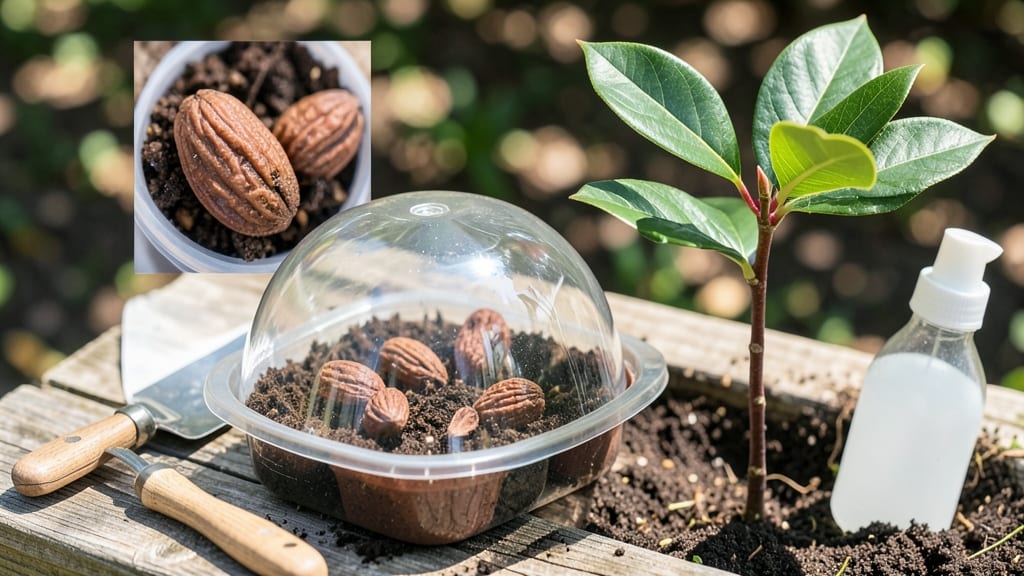
Planting magnolia tree seeds 🌸 is a rewarding challenge that turns into a stunning ornamental tree with the right approach—but most gardeners give up before the first sprout appears.
If you’ve ever stared at a tray of magnolia seeds wondering why they refuse to germinate, you’re not alone. These seeds are notorious for their slow start, sometimes taking months to break dormancy.
But with the right timing, soil mix, and a little patience, you can crack the code and grow a magnolia from scratch.
In this guide, I’ll walk you through every step—from sourcing fresh seeds to stratification tricks, planting depth, and early care tips—to give your magnolia the best shot at life. No grafting required!
You’ll learn how to avoid the most common mistakes (like overwatering or skipping stratification) and what to expect during those long, quiet months before the first green shoot appears.
Magnolia seed germination requirements: soil, temperature, and timing secrets
Magnolia seeds are notoriously difficult to germinate, but understanding their unique requirements can transform your success rate from near-zero to impressive. These seeds need specific soil conditions, precise temperature control, and careful timing to break their natural dormancy.
Without these, your seeds may never sprout—or could take years to germinate. The key lies in mimicking their natural environment as closely as possible.
First, let's address the biggest challenge: magnolia seeds require a process called stratification, which mimics winter's cold, moist conditions. This breaks down the seed's hard outer shell and signals it's time to grow.
Without proper stratification, your seeds might sit dormant for months—or even years. Think of it as giving your seeds a "winter nap" before spring planting.
For successful germination, you'll need three critical components: moisture, cold temperatures, and patience. The soil must stay consistently damp (not soggy) while maintaining temperatures between 35°F and 45°F for at least 60-90 days.
This cold period is non-negotiable for most magnolia varieties. Once you've mastered these basics, we'll dive into the specifics of soil composition, planting windows, and how to create the perfect germination environment.
The soil composition plays a crucial role in magnolia seed germination. These seeds thrive in acidic, well-draining soil with a pH between 5.0 and 6.5. A simple mix of peat moss and perlite (50/50 ratio) works wonders for creating the ideal medium.
Avoid heavy clay soils or sandy mixes, as they either hold too much moisture or drain too quickly. For container growing, use a lightweight potting mix with added perlite to prevent compaction.
When it comes to temperature control, consistency is everything. During the stratification period, maintain temperatures between 35°F and 45°F. You can achieve this naturally by planting seeds outdoors in a protected area (like a cold frame) during winter months.
For indoor stratification, place your seed container in a refrigerator with a moist sand or peat moss mixture. Use a thermometer to monitor temperatures—fluctuations can delay or prevent germination.
Timing your planting window correctly is just as important as soil and temperature. The optimal time to plant magnolia seeds after stratification is late winter to early spring (February through March). This aligns with the tree's natural growth cycle and gives seedlings a head start before summer heat arrives.
If you're using natural outdoor stratification, plant seeds in fall (October-November) so they experience winter's cold period naturally. For artificial stratification, complete the cold treatment by early spring before transplanting.
One common misconception is that magnolia seeds can be planted directly outdoors in summer or fall. This is a recipe for failure because the seeds won't receive the required cold treatment. Even if you plant them in autumn, they'll likely remain dormant until next spring—wasting
Step-by-step process for planting and caring for magnolia seeds
Growing a magnolia tree from seed is a rewarding but slow process that requires careful attention to detail. Unlike buying a young sapling, starting from seed means you’ll need to mimic nature’s conditions—especially the cold stratification period—to break seed dormancy.
With the right approach, you can nurture these seeds into majestic trees that will grace your landscape for decades. Let’s walk through each critical step to ensure your magnolia seeds have the best chance to sprout.
First, you’ll need to extract the seeds from ripe magnolia cones—usually in late fall or winter when they turn brown and open. Wear gloves, as the cones can be sticky and messy. Once you’ve collected the seeds, the next challenge is stratification, a process that mimics winter’s cold period.
This step is non-negotiable for magnolia seeds, as it tricks them into thinking they’ve survived a natural winter cycle. Without it, your seeds may never germinate, no matter how well you care for them afterward.
How to Plant Magnolia Tree Seeds: Step-by-Step Guide
-
Step 1: Extract and Clean Seeds
Remove seeds from ripe cones in late fall or winter. Rinse off any remaining pulp with water and let them dry for 24 hours at room temperature.
-
Step 2: Stratify Naturally or Artificially
Option A: Natural – Plant seeds 1 inch deep in a pot with moist sand or peat moss and place outdoors in a protected spot (e.g., cold frame) for 60–90 days. Option B: Artificial – Mix seeds with damp sand in a sealed bag and refrigerate at 40°F for 8–12 weeks.
-
Step 3: Prepare Planting Medium
Use a well-draining mix of 50% peat moss and 50% perlite. Fill small pots (3–4 inches deep) and moisten lightly before planting.
-
Step 4: Plant Seeds Properly
Sow seeds ½ inch deep, spacing them 2 inches apart. Cover lightly with the planting mix and press gently to ensure contact.
-
Step 5: Maintain Ideal Conditions
Keep the soil consistently moist (not soggy) and place pots in a warm, bright location (65–75°F). Avoid direct sunlight until sprouts appear.
-
Step 6: Monitor for Sprouts
Germination can take 30–90 days. Once sprouts emerge, move pots to indirect light and reduce watering slightly to prevent damping-off.
-
Step 7: Transplant Young Seedlings
After 1–2 years, when seedlings are 6–12 inches tall, transplant them outdoors in spring after the last frost. Choose a location with partial shade and well-draining soil.
Once your magnolia seeds have sprouted, the real work begins. Young seedlings are delicate and require consistent care to thrive. Water them deeply but infrequently—once a week—to encourage strong root growth, and avoid letting the soil dry out completely.
During their first year, protect them from harsh winds and extreme temperatures, as their roots are still developing. Patience is key, as magnolias grow slowly; it can take 5–10 years for a seed-grown tree to reach maturity.
As your seedlings grow, you’ll notice their leaves developing into the iconic magnolia shape. This is a great sign that your care routine is working! However, be prepared for challenges like fungal diseases or pest infestations, which are common in young trees.
Regularly inspect the undersides of leaves for signs of trouble and act quickly if you spot anything unusual. With time and proper care, your magnolia seedlings will reward you with fragrant blooms and a towering presence in your garden.
Remember, not every seed will germinate, and even those that do may take years to reach their full potential. But the journey of growing a magnolia from seed is as rewarding as the tree itself.
Each step—from stratification to transplantation—teaches you more about these fascinating plants and deepens your connection to the natural world. 🌸