
How To
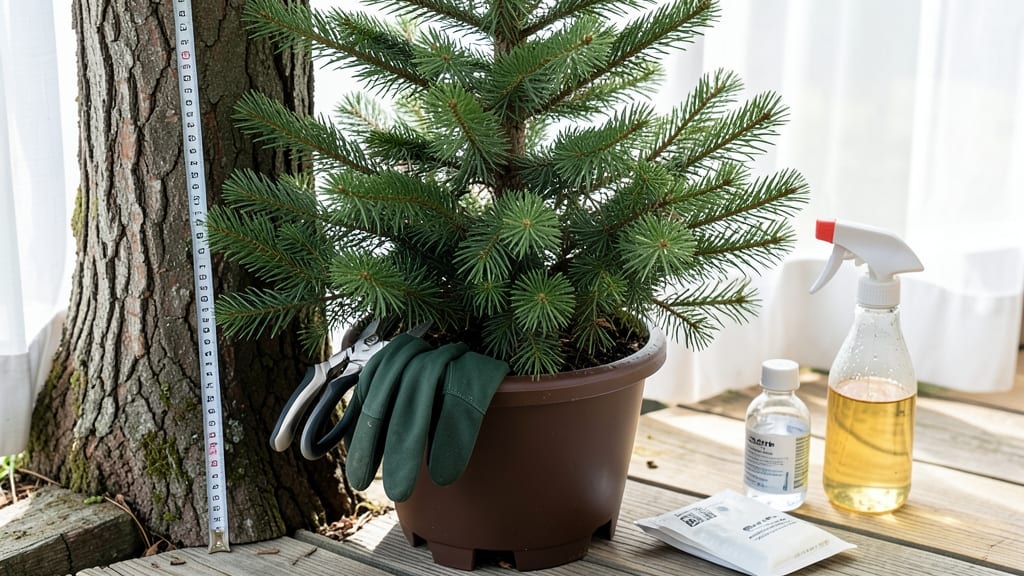
How to stop a Christmas tree growing too tall—before it turns into a towering skyscraper—starts with pruning in early summer. ✂️ The secret to keeping it compact begins then, before it becomes too unwieldy to handle. I’ve wrestled with overgrown trees for years, and this method keeps them at the perfect height without sacrificing fullness or health.
Start by cutting back one-third of the top growth when new shoots appear in June. Use clean pruners and make cuts just above a leaf node to encourage branching.
For indoor trees, repeat pruning in late summer to maintain shape—just avoid heavy cuts after August, or you’ll stunt next year’s growth. The key is patience: a well-pruned tree stays lush and manageable for the holidays.
📚 In This Guide
- What you need
- Instructions
- Tips and common mistakes
- Wrapping up and next steps
What you need
- ● Pruning shears or loppers – Choose bypass pruners (sharp, clean cuts) or loppers (for thicker branches). Size: 7–10 inches (adjust based on branch thickness).
- ● Hand pruners (for precision) – Ideal for smaller branches (under ½ inch thick). Look for ergonomic grips to avoid hand fatigue.
- ● Gloves (cut-resistant) – Protect your hands from sap, thorns, or rough bark. Opt for leather or synthetic mesh gloves.
- ● Disinfectant (rubbing alcohol or pruning sealant) – 70% isopropyl alcohol to sterilize tools between cuts and prevent disease.
- ○ Tree growth regulator (optional but helpful) – Products like Bonide Stop & Grow or Fruit Tree Stop (follow label instructions for application timing).
- ● Measuring tape or ruler – To track height and mark pruning targets. 1–3 feet should suffice.
- ● Ladder (if needed) – A stable, extendable ladder (6–10 ft) for taller trees. Never stand on wobbly surfaces!
- ● Bucket or bag for clippings – A 5-gallon bucket or heavy-duty trash bag to collect pruned branches.
- ● Pole saw – For high branches (if you’re not using a ladder). Look for lightweight, telescoping models.
- ● Tree tie or twine – To secure branches if pruning causes instability (especially for young trees).
- ● Garden kneeler/pad – For comfort when working close to the ground.
- ● Safety glasses – Protect your eyes from sap splashes or debris.
- ● Tree food/fertilizer – A balanced, slow-release fertilizer (e.g., 10-10-10 NPK) to support recovery after pruning.
Step-by-Step instructions for pruning a Christmas tree to control height
Here's how to keep your tree lush and compact—no more towering over your living room ceiling.
🌱 Step 1: Choose the Right Time to Prune
Prune your Christmas tree in early spring, right after it finishes flowering but before new growth begins. This timing ensures you're cutting back when the plant is actively storing energy for the next season. If you prune too late, you risk encouraging new growth that won't harden off before winter.
Look for fresh, vibrant buds on the lower branches—this is your cue that the tree is ready. Avoid pruning in fall, as it can stress the tree and reduce its ability to withstand winter cold. I always mark my calendar for late March or early April in most climates, but adjust based on your local frost dates.
✂️ Step 2: Prune for Shape and Density
Start by removing any dead, diseased, or crossing branches first—these compete with healthy growth and can stunt your tree's overall shape. Use clean, sharp pruning shears to make cuts just above a bud or branch collar. Never leave stubs; this invites disease and weakens the tree.
Next, focus on thinning out the inner branches to improve airflow and light penetration. Aim to remove about one-third of the oldest, thickest branches from the bottom half of the tree. This encourages new growth lower down, giving you that full, bushy look. Watch for where the branches naturally thin out—this is your guide for where to make cuts.
☀️ Step 3: Encourage Full Growth at the Base
To prevent a leggy, top-heavy tree, prune the topmost branches slightly to slow vertical growth. Cut back the very tips of the upper branches by about one-quarter of their length, but avoid cutting into the main leader (the central stem). This redirects energy downward, promoting denser growth at the base.
Here's the thing—if you see branches growing straight up from the sides, trim them back to a lateral bud or branch. This encourages the tree to fill out rather than stretch upward. You'll notice new shoots forming along the lower branches within 4-6 weeks of pruning, signaling that your adjustments are working.
💧 Step 4: Maintain Through the Growing Season
After pruning, water deeply to help the tree recover. Focus on keeping the top 6 inches of soil consistently moist but not soggy. Mulch around the base with 2-3 inches of organic mulch to retain moisture and protect roots from temperature swings. Avoid over-fertilizing immediately after pruning—let the tree focus on healing first.
Monitor your tree weekly for new growth patterns. If you notice branches growing too fast in one direction, lightly prune again in mid-summer to maintain balance. The goal is a tree that grows wide and full rather than tall and sparse. By next holiday season, you'll have a beautifully proportioned tree that fits perfectly in your space.
Tips & tricks for pruning Christmas trees to keep them compact
Here's what nobody tells you about keeping your tree manageable for holiday decorating.
Timing is Everything: The early spring window between late March and early April is your best shot for success. I learned this the hard way after pruning in fall and watching my tree struggle through winter. Look for those fresh buds on lower branches—they're nature's green light. If you miss this window, wait until after the last frost date in your area, but don't delay beyond early May or you risk encouraging weak growth.
Branch Selection Matters: When thinning inner branches in Step 2, focus on removing the oldest, thickest branches from the bottom third of the tree. These branches are the most competitive for nutrients. I like to use the "thirds rule"—remove about one-third of what's there. This creates space for new growth while maintaining that lush look. Remember, you're not just cutting branches; you're sculpting the tree's future shape.
Top Growth Control: That one-quarter reduction of topmost branches in Step 3 might seem minor, but it's what prevents that towering effect. The key is to cut back just enough to slow vertical growth without damaging the main stem. Think of it like trimming your hair—you're not making drastic changes, just guiding the growth pattern. This technique works particularly well for trees that naturally grow tall and leggy.
Post-Pruning Care: After you've done all the cutting, don't forget the recovery phase. That deep watering and 2-3 inches of organic mulch aren't just suggestions—they're essential for helping your tree bounce back. I've seen trees that looked stressed after pruning thrive when given proper aftercare, while others struggled when neglected. The mulch acts like a blanket, protecting roots from temperature swings that can stress the tree during its recovery period.
Pro Tips for Stop A Christmas Tree Growing Too Tall
- Here's what nobody tells you about keeping your tree manageable for holiday decorating.
- Timing is Everything: The early spring window between late March and early April is your best shot for success. I lea...
- Branch Selection Matters: When thinning inner branches in Step 2, focus on removing the oldest, thickest branches fro...
Frequently asked questions
Got questions about managing your Christmas tree’s height? You’re not alone! Here are some of the most common concerns—and straightforward answers—to keep your tree at the perfect festive height.
How soon can I start pruning to control my Christmas tree’s height?
You can begin pruning as early as late spring or early summer after your tree is planted. Focus on the top third of new growth to encourage bushier, shorter branches. Avoid heavy pruning in fall—wait until 6–8 weeks before Christmas to avoid stunted growth. Think of it like shaping a bonsai: patience and timing are key!
Will pruning make my tree look weird or sparse?
Not if you do it right! Use sharp pruning shears to cut just above a leaf node (where branches grow) at a 45-degree angle. Avoid cutting too close to the trunk—aim for 1/4 to 1/2 inch above the node. For a fuller look, prune multiple branches at once rather than just the top. Pro tip: Step back often to check balance!
How long does it take to see results from pruning?
You’ll notice immediate changes in branch density, but height reduction takes 1–2 growing seasons. For a tree planted in spring, prune in summer of the first year and again in early fall of the second year for the best compact shape by Christmas. Patience pays off—your tree will thank you with lush, manageable branches!
Can I use the pruned branches for anything else?
Pruned branches are perfect for holiday garlands, wreaths, or even potpourri. Let them dry completely (hang upside down in a dark, airy space for 2–4 weeks), then strip the needles and use them in crafts. Bonus: It’s a zero-waste way to repurpose your tree! Just avoid using branches treated with pesticides or fertilizers.
What if my tree is already too tall by Christmas?
Don’t panic! If your tree is still growing too tall, you can trim the top 1–2 feet in late fall (October/November) to create a fuller, shorter silhouette. For a dramatic change, prune 1/3 of the height in stages over a few weeks. Water deeply after pruning to help the tree recover. Warning: Avoid heavy pruning too close to Christmas—it can stress the tree and reduce needle retention.
Are there alternatives to pruning for a shorter tree?
Yes! If pruning feels like too much work, consider:
- Dwarf varieties: Choose a pre-pruned dwarf Alberta spruce or miniature Norfolk Island pine (they max out at 3–6 feet).
- Potted trees: Opt for a container-grown tree—they’re easier to manage and can be pruned year-round.
- Artificial trees: Pre-lit, pre-shaped options eliminate growth concerns entirely.
Wrapping up and next steps
With the right techniques, keeping your Christmas tree at the perfect height is totally doable—and it’ll save you stress (and maybe a few ceiling collisions!) next holiday season. 🌲✨ Whether you prune early, use growth regulators, or opt for dwarf varieties, consistency is key.
Start now, and you’ll enjoy a lush, manageable tree that fits your space and your holiday vision.
Ready to take action? Pick one method from this guide and give it a try this year! Your future (and your decor) will thank you.