
Pruning
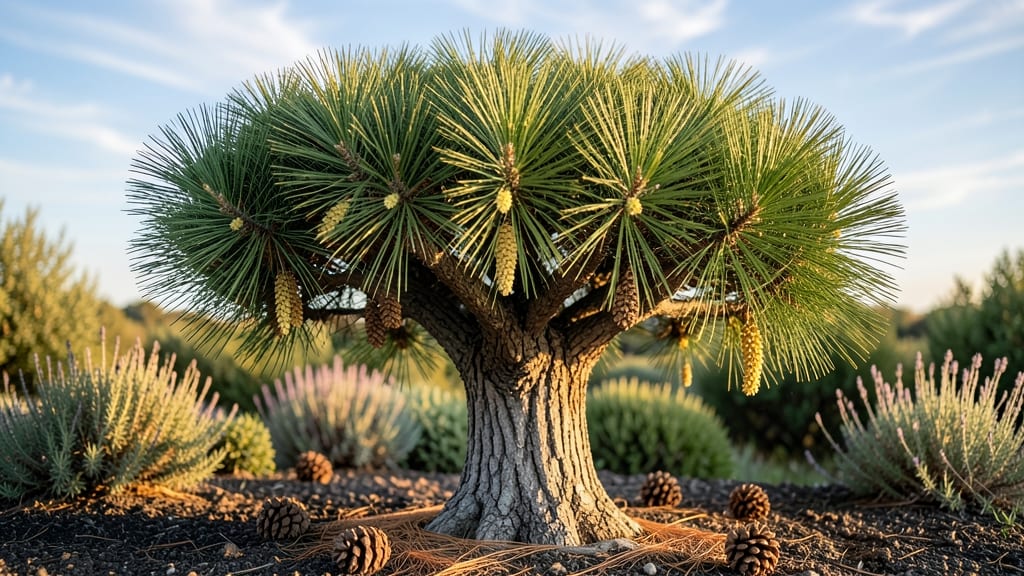
A full-grown Italian Stone Pine Tree 🌲 can reach heights of 30 to 80 feet, making it one of the most striking trees in Mediterranean landscapes.
Picture this: a towering, ancient-looking tree with sprawling branches, its pinecones adding a rustic charm to any yard. But how do you keep it thriving once it reaches maturity?
This guide covers everything from its mature size and growth rate to pruning tips and care secrets for a healthy, long-lived specimen.
Whether you're a seasoned gardener or a new tree owner, you'll discover how to maintain its majestic presence while avoiding common pitfalls.
Italian stone pine full grown size: exact height, spread & growth rate
The Italian stone pine (Pinus pinea) is a majestic evergreen that can reach impressive mature dimensions, making it a stunning focal point in any landscape.
When fully grown, these trees typically stand between 30 to 80 feet tall, with some specimens in ideal conditions exceeding 100 feet. Their sprawling canopies can spread 30 to 60 feet wide, creating a grand, umbrella-like silhouette that dominates its surroundings.
Understanding these dimensions is crucial for proper planting and long-term care.
In its native Mediterranean climate, the Italian stone pine grows faster and reaches its full potential. However, in cooler temperate zones like the Pacific Northwest or New England, growth slows significantly, often resulting in shorter stature and denser foliage.
For example, a tree in Southern California may reach 60 feet in 30 years, while one in Zone 7a might only reach 40 feet in the same timeframe. This variation is due to temperature, sunlight exposure, and soil quality.
The growth rate of an Italian stone pine is heavily influenced by its environment. In hot, dry Mediterranean climates, these trees can grow 1 to 2 feet per year during their prime years.
However, in cooler or more humid regions, growth may slow to 6 to 12 inches annually. For instance, a tree planted in Southern Spain might reach 50 feet in 25 years, while one in Oregon could take 40 years to reach the same height.
This slower growth is often due to limited sunlight or cooler temperatures.
When planning to plant an Italian stone pine, consider its mature spread. These trees develop a wide, rounded canopy that requires ample space. In a residential yard, ensure you plant it at least 40 feet from structures to avoid root competition and allow for proper airflow.
In landscaping projects, their grandeur makes them ideal for park settings or large estates, where their sprawling branches can be fully appreciated without obstruction.
Another key factor is the trunk diameter, which can reach 3 to 6 feet in ideal conditions. A thick trunk not only adds to the tree’s majesty but also indicates its resilience to wind and disease.
In cooler climates, trunks may be slower to thicken, making the tree more susceptible to storm damage. To promote a strong, sturdy trunk, ensure the tree is planted in well-draining soil and receives full sunlight from the start.
If you’re growing an Italian stone pine in a non-native climate, consider using microclimate strategies to mimic its Mediterranean habitat. Planting near a south-facing wall or in a sunny, sheltered spot can help offset cooler temperatures.
Additionally, mulching around the base with organic matter improves soil drainage and retains moisture, which is critical in drier temperate zones. These adjustments can help your tree grow closer to its full potential.
One common miscon
Pruning a mature Italian stone pine: when, how & critical mistakes to avoid
Pruning your mature Italian stone pine (Pinus pinea) isn’t just about shaping—it’s about maintaining its health and structural integrity. These trees can live for centuries, but improper pruning can weaken them or invite pests and diseases.
The key is timing, technique, and knowing what to avoid. Let’s break down the essentials for keeping your full-grown specimen thriving.
First, understand that Italian stone pines grow best with minimal pruning—they’re naturally resilient but respond poorly to aggressive cuts. Focus on removing dead, diseased, or crossing branches while preserving the tree’s iconic umbrella-shaped canopy.
Even a single poor cut can take years to heal, so precision is everything. If you’re unsure, start small and observe the tree’s reaction.
⚠️ callout warning ⚠️
⚠️ 5 Deadly Pruning Mistakes for Italian Stone Pines
1. Over-pruning: Removing more than 25% of foliage at once stresses the tree and weakens its immune system. Stick to light maintenance cuts—never drastic reductions.
2. Topping the tree: Cutting the main leader branch encourages weak, spindly growth and invites rot. Preserve the tree’s natural shape.
3. Improper cuts: Leaving stubs or torn bark slows healing and invites pests. Always make clean cuts just outside the branch collar.
4. Pruning in wet weather: Damp conditions spread fungal diseases like needle blight. Wait for dry, sunny days to prune.
5. Ignoring seasonal timing: Pruning in late summer or fall stresses the tree before winter. Aim for late winter or early spring when growth resumes.
Now that you know what to avoid, let’s tackle the best time to prune. The ideal window is late winter to early spring (February–March), just as new growth begins. This timing minimizes stress and allows the tree to seal wounds quickly before summer heat.
Avoid pruning in summer or fall, as these seasons can leave the tree vulnerable to drought stress or cold damage.
For tools, invest in a sharp bypass pruner for small branches and a pole saw for higher cuts. Disinfect tools with rubbing alcohol between cuts to prevent spreading pine pitch canker.
Start by removing dead or diseased branches first—they’re the easiest to spot and the most urgent to address. Next, thin out crossing or rubbing branches to improve airflow and reduce pest risks.
When pruning, always cut just outside the branch collar (the swollen area where the branch meets the trunk). This ensures the wound heals faster and reduces the risk of rot or infection.
For larger branches, make a two-step cut: first undercut the branch from below, then make a final cut from above. Never leave a large stub, as it won’t heal properly and can become a weak point.
Finally, monitor your tree after pruning. A healthy Italian stone pine should show new growth within 4–6 weeks. If you notice yellowing needles, oozing sap, or excessive dieback, you may have pruned too aggressively.
In that case, reduce future cuts and focus on improving soil health with organic mulch. With patience and care, your mature stone pine will reward you with decades of beauty and shade. ✂️🌳