
Pruning
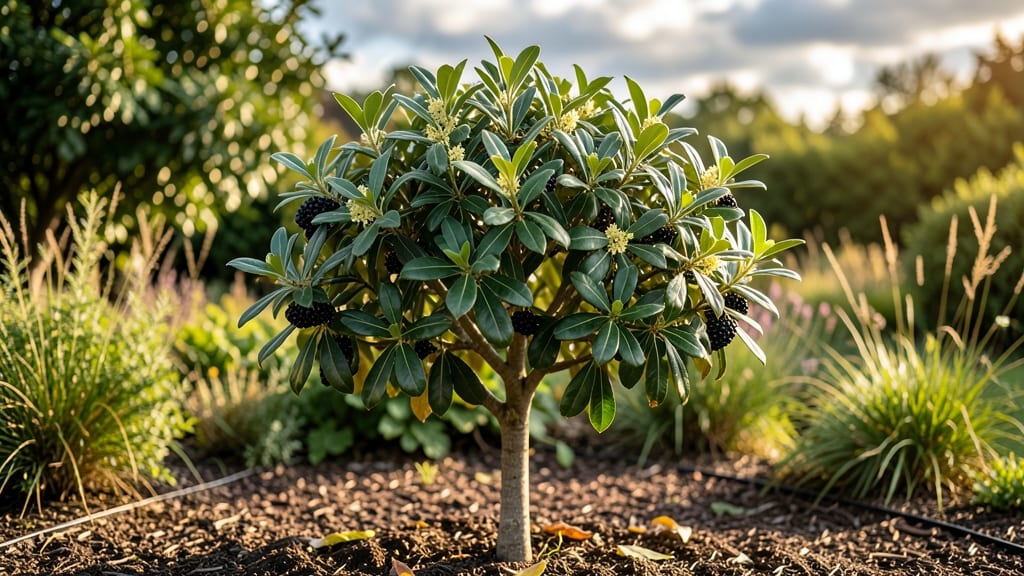
Laurel tree care starts with one simple rule: prune for health, not just looks—because those glossy leaves won’t stay vibrant if you cut at the wrong time or in the wrong way. 🌿 I’ve watched my laurel go from scraggly to showstopping in just two seasons by focusing on year-round maintenance, not just spring cleanups.
The key is understanding when to shape, when to encourage new growth, and how to avoid the mistakes that leave trees stressed or stunted.
You’ll need sharp pruning shears (dull blades tear bark), a ladder for higher branches, and 30 minutes in the right season—not winter, not peak summer. Laurel trees reward patience: they bloom best when pruned lightly after flowering, and their dense foliage hides pruning scars beautifully.
Most people over-prune, thinking more cuts mean bushier growth, but laurel responds better to strategic cuts that open the canopy to sunlight while maintaining its natural shape.
The payoff is a tree that stays healthy year-round—thick, glossy leaves that resist pests, sturdy branches that don’t snap in storms, and a compact form that fits perfectly in landscapes. Even in drought-prone areas, a well-pruned laurel thrives with minimal watering once established.
The secret? Prune just enough to encourage new growth without stressing the tree, and you’ll have a low-maintenance evergreen that outshines most shrubs.
This works for both English laurel and cherry laurel, whether you’re shaping a hedge, training a specimen, or just keeping your yard’s focal point looking its best. Let’s get those shears ready—your laurel’s transformation starts now.
📚 In This Guide
- What you need
- Instructions
- Tips and common mistakes
- Wrapping up and next steps
What you need
- ● Pruning shears: Bypass pruners (sharp, 6–8" blades) for small branches. Quantity: 1 pair.
- ● Loppers: For thicker branches (1–2" diameter). Quantity: 1 pair (long-handled for reach).
- ● Hand saw: Pruning saw with curved blade for stubborn branches (>2" thick). Quantity: 1.
- ● Gloves: Heavy-duty, cut-resistant (e.g., Mechanix or Wolverine). Quantity: 1 pair.
- ● Disinfectant: 70% isopropyl alcohol or bleach solution (1 part bleach : 9 parts water) to sterilize tools between cuts. Quantity: Small spray bottle or container.
- ○ Pruning sealant: Optional but helpful for large cuts (>½") to prevent disease. Quantity: Small tube.
- ● Ladder: Extendable or step ladder (10–15 ft) for tall trees. Safety tip: Use stabilizers!
- ● Work gloves: Gardening gloves for comfort (e.g., Cobalt or Fiskars).
- ● Tarp or drop cloth: To collect debris and protect surfaces below.
- ● Tree bag: For collecting pruned branches (great for compost!).
- ● Safety gear: Goggles (to shield from debris) and ear protection (if using a chainsaw for large jobs).
- ● Knowledge: Familiarize yourself with laurel tree anatomy (e.g., identifying dead vs. live branches). 📖 Quick guide recommended!
- ● Timing: Best pruning seasons: late winter/early spring (dormant season) or summer (avoid heavy pruning in fall).
- ● Weather: Choose a dry, calm day—no rain or wind for 24 hours post-pruning.
Instructions for pruning laurel trees year-round
Here's the method I've used for decades to keep my laurel trees thriving—simple, effective, and tailored to their natural growth cycles.
✂️ Step 1: Assess Growth in Early Spring
Start by examining your laurel tree in late February to March when new growth begins. Look for last year's brown, woody stems—these are your pruning targets. I focus on removing dead, diseased, or crossing branches first, as these compete with healthy growth for nutrients.
Use clean, sharp pruning shears to make cuts just above a leaf node or outward-facing bud. This ensures the plant directs energy to new growth rather than sealing off wounds. Avoid cutting into the thick, woody trunk—laurel trees heal best when pruned at branch junctions.
☀️ Step 2: Light Pruning for Shape in Late Spring
In May to June, laurel trees enter their most active growth phase. This is when I do light structural pruning to maintain shape. I remove overly long shoots that disrupt the tree's natural form, focusing on 10-15% of the total foliage to avoid stressing the plant.
Watch for water sprouts—thin, fast-growing shoots that appear after heavy pruning. These saplings drain energy from the main structure. Snip them off at the base with your shears. Never remove more than one-third of the canopy in a single session—laurel trees are resilient but not invincible.
✂️ Step 3: Summer Maintenance for Airflow
During July and August, laurel trees benefit from sanitary pruning to improve airflow. Dense foliage traps humidity, creating ideal conditions for fungal diseases. I target inner branches that block light and air circulation, cutting them back to half their length if needed.
Here's the thing—never prune in extreme heat. Wait until morning when temperatures are below 85°F. Laurel leaves wilt easily under stress, and pruning during heatwaves forces the tree to expend energy on recovery instead of growth. A quick spray of water afterward helps the tree recover faster.
🌿 Step 4: Fall Cleanup for Winter Readiness
In October to November, prepare your laurel for dormancy by removing all dead leaves and twigs. These can harbor pests and diseases over winter. I also thin out crowded branches to reduce snow load in colder climates. Laurel trees are evergreen, so maintaining an open structure prevents winter damage.
This is the moment that matters: sterilize your tools with rubbing alcohol after each cut. Laurel trees are prone to bacterial blight, and contaminated shears spread infection like wildfire. A 10-second wipe between cuts prevents future headaches. Finish by applying a balanced fertilizer to replenish nutrients lost during pruning.
⏰ Step 5: Minimal Winter Adjustments
Winter pruning is only for damage control. If a branch breaks under snow or ice, remove it immediately—but otherwise, leave the tree alone. Laurel trees enter dormancy in December to February, and pruning stimulates new growth you don't want during cold months.
I know it seems weird, but don't prune in freezing temperatures. Even laurel trees struggle to heal below 40°F. If you must remove damaged wood, do it on a mild winter day (above 45°F) when the tree can recover quickly. A light application of anti-desiccant spray protects leaves from windburn during exposure.
Tips & tricks for perfect laurel tree pruning
These seasoned strategies will help you maintain your laurel trees' health without unnecessary stress—because even evergreens need a little TLC.
Seasonal Timing Matters: The late February to March window for Step 1 is ideal because laurel trees begin their active growth cycle then. If you miss this, don't panic—just wait for new growth to appear before pruning. I've found that pruning too early in winter can expose the tree to cold damage, while waiting too late may stress it during its growth surge. Always check for bud swell as your visual cue.
Cutting Technique That Changes Everything: When making your cuts in Step 1, aim for a 45-degree angle just above a leaf node or outward-facing bud. This angled cut prevents water from pooling on the wound, which can lead to rot. I've seen many gardeners make the mistake of cutting straight across—this creates a flat surface that collects moisture, inviting bacterial infections. A quick way to remember: imagine you're cutting a slice of pizza from the tree!
Heat and Hydration Strategy: During Step 3's summer maintenance, the 85°F temperature threshold isn't just arbitrary—it's when laurel leaves start wilting from stress. I always prune in the early morning when humidity is highest and temperatures are cooler. After cutting, give the tree a light misting with water to help it recover faster. This simple step can make the difference between a stressed tree and one that bounces back beautifully.
Winter Protection Wisdom: The 40°F minimum temperature for winter pruning isn't just a number—it's when laurel trees' healing processes begin to shut down. If you must prune damaged branches in winter, choose days when temperatures rise above 45°F for at least a few hours. I've learned this the hard way after seeing winter pruning wounds take months to heal when done in freezing conditions. A light application of anti-desiccant spray can also help protect leaves from winter winds.
Pro Tips for Laurel Tree Care
- These seasoned strategies will help you maintain your laurel trees' health without unnecessary stress—because even evergreens need a little TLC.
- Seasonal Timing Matters: The late February to March window for Step 1 is ideal because laurel trees begin their active growth cycle then.
- Cutting Technique That Changes Everything: When making your cuts in Step 1, aim for a 45-degree angle just above a leaf node or outward-facing bud.
Frequently asked questions
Got questions about keeping your laurel tree thriving? Here are answers to the most common concerns—from pruning tips to troubleshooting—so you can enjoy a lush, healthy tree all year round!
How often should I prune my laurel tree?
Prune your laurel tree once a year during late winter or early spring (before new growth starts). Light shaping can happen in summer, but avoid heavy cuts then—it stresses the tree. For formal hedges, trim every 4–6 weeks for neatness. Pro tip: Use sharp, sterilized tools to prevent disease!
Can I prune my laurel tree in fall or winter?
Fall pruning is risky—it can stimulate tender new growth that may frost-damage. Winter pruning (before buds swell) is safe, but avoid heavy cuts. If you must prune in fall, do it early (September–October) and keep cuts minimal. Warning: Never prune in late winter if frost is forecast!
What’s the best way to shape a laurel tree into a hedge?
Start with a clean base—remove lower branches to 3–4 feet off the ground. Use a hedge shears for even cuts, and angle the top slightly to shed rain. Trim just outside the new growth to encourage bushiness. For thick hedges, layer cuts: step 1: Trim outer edges, step 2: Fill in the center.
Why are my laurel tree’s leaves turning yellow or brown?
Yellowing leaves often signal overwatering or root rot—check soil moisture (it should be damp but not soggy). Brown edges? It could be underwatering or salt buildup (common in coastal areas). Pest issues (like spider mites) cause speckled leaves—spray with neem oil if needed. Fix it: Adjust watering and inspect for pests weekly.
Are there low-maintenance alternatives to laurel trees?
Yes! If laurel care feels overwhelming, try:
- Boxwood – Drought-tolerant and great for hedges.
- Olive Tree – Hardy and salt-resistant (perfect for coastal gardens).
- Lavender – Low-water, fragrant, and pest-repellent.
- Cherry Laurel – Similar to English laurel but slightly easier to prune.
Wrapping up and next steps
Caring for your laurel tree doesn’t have to be overwhelming—with the right techniques, you’ll enjoy year-round lush growth and vibrant foliage! 🌿 From seasonal pruning to proper watering and pest management, consistency is key. Remember, a well-maintained laurel tree not only enhances your landscape but also thrives with minimal effort.
Ready to give your tree the love it deserves? Start small: pick one pruning session this week and observe the difference over time. Before you know it, your laurel will be the showstopper of your garden! 🌟