
Pests and Diseases
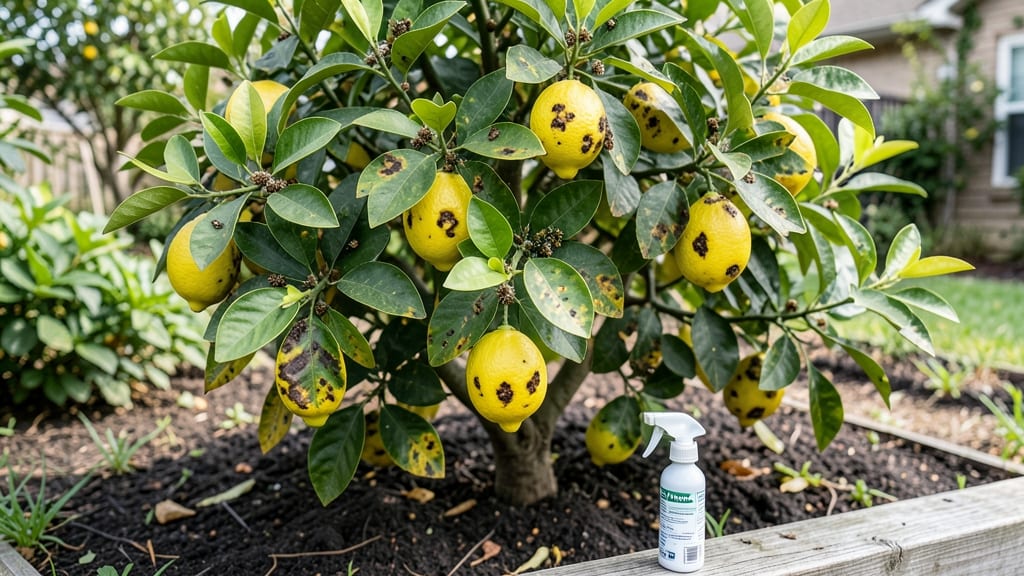
When your lemon tree’s leaves start looking like Swiss cheese or sticky aphids take over, you’ve got a fight on your hands with lemon tree diseases and pests. 🌿 I’ve watched citrus canker turn vibrant foliage into a sad, spotted mess—and root rot silently kill trees from the ground up.
These problems don’t just happen; they’re often signs your tree needs better care, drainage, or a little extra attention. The good news? Catching them early means you can save your tree before it’s too late.
Most lemon tree troubles start with small clues: yellowing leaves, weird bumps, or tiny holes in the foliage. Aphids cluster on new growth, while citrus leaf miners leave silvery trails that scream “invasion.” Root rot hides until the soil smells foul and the tree wobbles.
The key is acting fast—once these pests or diseases spread, they’re harder to control. Organic options like neem oil or insecticidal soap work for many issues, but severe cases might need targeted fungicides or professional help.
With the right approach, you’ll turn things around. Prune infected branches immediately, improve drainage, and keep your tree healthy with regular feeding. A thriving lemon tree should have glossy leaves, fragrant blossoms, and fruit that’s the envy of the neighborhood.
The sooner you spot the problem, the sooner you can enjoy that sweet, tangy harvest again.
This works for both backyard trees and container-grown citrus. Whether you’re dealing with a young sapling or a mature tree, early action makes all the difference. Let’s get your lemon tree back to its best—and keep those pests and diseases from crashing the party next time.
Root Causes Of Tree Stress
Lemon trees, like any living organism, are susceptible to diseases and pest invasions when their natural defenses weaken. Understanding why these issues arise is the first step toward prevention.
Below, we break down the key factors that create the perfect storm for trouble—so you can nip problems in the bud before they take hold.
Lemon trees thrive in specific conditions, and when those conditions shift—whether due to nature or human error—they become vulnerable. Here’s how environment plays a role:
#### 1. Temperature ExtremesLemon trees prefer warm but not scorching climates (ideal range: 60–85°F). Too much heat or cold disrupts their metabolic processes, weakening their immune response.
- Heat Stress: Prolonged exposure above 90°F causes leaf scorch, sunburn, and reduced photosynthesis. This stress makes trees more susceptible to fungal infections like Alternaria or Phytophthora.
- Cold Damage: Temperatures below 28°F can kill young trees or damage bark, creating entry points for pests like scale insects or aphids. Even brief freezes stunt growth, leaving trees energy-depleted.
Pro Tip: 🌡️ Use shade cloth in summer and frost blankets in winter to maintain stable temperatures. Mulching also insulates roots from temperature swings.
#### 2. Improper Watering PracticesWatering is a balancing act—too little or too much throws lemon trees off-kilter, inviting pests and diseases.
- Underwatering: Dry soil stresses roots, reducing nutrient uptake. Weakened trees attract spider mites and whiteflies, which thrive in drought conditions.
- Overwatering: Soggy soil suffocates roots, promoting root rot (common with Phytophthora) and fungal leaf spots. Poor drainage also attracts snails and slugs.
Pro Tip: 💧 Water deeply 1–2 times per week (more in extreme heat) and ensure pots/drainage systems prevent waterlogging.
#### 3. Poor Air CirculationLemon trees need airflow to dry leaves quickly after rain or watering. Stagnant, humid conditions create a breeding ground for:
- Fungal Diseases: Citrus Canker and Melanose spread faster in damp, enclosed spaces.
- Pests: Scale insects and mealybugs multiply rapidly where humidity lingers.
Pro Tip: 🌬️ Prune trees to open the canopy and space them 6–10 feet apart in gardens. Use fans in containers if indoor-growing.
A lemon tree’s health hinges on proper nutrition. When soil lacks essential elements, the tree’s ability to fight off invaders plummets.
#### 1. Nitrogen ShortagesNitrogen fuels leafy growth and disease resistance. A deficiency (yellowing leaves, stunted growth) makes trees more attractive to:
- Citrus Leaf Miner (larvae bore into leaves)
- Aphids (which feed on weak sap)
Fix It: 💪 Apply a balanced citrus fertilizer (e.g., 6-6-6 NPK ratio) in early spring and after harvest.
#### 2. Micronutrient ImbalancesLemon trees need zinc, iron, and manganese for chlorophyll production. Deficiencies (yellowing between veins) weaken cell walls, making them easier targets for:
- Citrus Greening (HLB) (bacterial disease spread by psyllids)
- Fungal Leaf Spots (e.g., Cercospora)
Fix It: 🌱 Conduct a soil test and amend with chelated micronutrients if needed. Avoid over-fertilizing with phosphorus, which can lock out other minerals.
#### 3. Over-FertilizationToo much fertilizer—especially high in salt or phosphorus—burns roots and disrupts beneficial microbes. This stress invites:
- Root-Knot Nematodes (microscopic worms that feed on damaged roots)
- Soil-Borne Fungi (e.g., Armillaria)
Fix It: ✨ Flush soil with water after fertilizing and use organic matter (compost) to improve soil structure.
Even the hardiest lemon trees can’t resist pests and pathogens when given the right opportunity. Here’s how biology turns against them:
#### 1. Weakened Natural DefensesYoung, stressed, or injured trees lack the wax coatings and antimicrobial compounds that repel pests. Common triggers:
- Physical Damage: Pruning wounds or hail scars create entry points for bacterial canker.
- Chemical Burn: Overuse of pesticides kills beneficial insects (like ladybugs) that control pests.
Fix It: 🛡️ Seal pruning cuts with pruning paste and rotate organic/pesticide use to preserve biodiversity.
#### 2. Pest Population ExplosionsSome pests thrive in colonies, overwhelming trees quickly. For example:
- Scale Insects excrete honeydew, attracting sooty mold (a secondary fungal issue).
- Citrus Psyllids spread _HLB_ bacteria, which clogs a tree’s vascular system.
Fix It: 🎯 Monitor trees weekly for early signs (e.g., sticky leaves = scale). Introduce predatory wasps or use neem oil for organic control.
#### 3. Pathogen SpreadDiseases like Citrus Canker or Powdery Mildew latch onto trees through:
- Contaminated Tools: Pruners or knives carry spores between trees.
- Wind/Rain: Fungal spores travel easily in humid conditions.
- Infected Nursery Stock: Buying diseased trees is a surefire way to introduce problems.
Fix It: 🧼 Sterilize tools with rubbing alcohol, remove infected leaves immediately, and quarantine new plants for 2 weeks.
By addressing these root causes—environmental, nutritional, and biological—you’ll create an inhospitable environment for pests and diseases. The key? Consistency. Lemon trees reward proactive care with years of bountiful harvests! 🍋
Quick Fixes for Lemon Tree Troubles
When your lemon tree starts showing signs of distress—whether it’s yellowing leaves, mysterious holes, or sticky sap—acting fast can mean the difference between a thriving citrus tree and a sad, wilted relic.
Below is a practical, step-by-step guide to diagnosing and treating the most common lemon tree diseases and pests, plus prevention tips to keep your tree healthy long-term.
---
Fungal infections like citrus canker, anthracnose, and powdery mildew thrive in warm, humid conditions. Here’s how to tackle them:
#### 🔥 Citrus Canker - Fix: Prune infected branches 6 inches below the lesion with sterilized pruners (wipe with rubbing alcohol between cuts). Dispose of infected plant debris in the trash (not compost). - Treat: Apply a copper fungicide (like Bordeaux mixture) every 2–4 weeks during wet seasons.
For organic options, use neem oil spray (1 tbsp neem oil + 1 tsp mild soap per quart of water). - Prevent: Space trees for good airflow, avoid overhead watering, and sanitize tools after each use.
#### 🍳 Anthracnose - Fix: Remove all infected fruit and leaves immediately. Thin out dense foliage to improve air circulation. - Treat: Spray with a fungicide containing chlorothalonil (follow label instructions).
Repeat every 10–14 days until new growth appears healthy. - Prevent: Water early in the morning so leaves dry quickly. Avoid wetting foliage during irrigation.
#### 👨🍳 Powdery Mildew - Fix: Wipe leaves with a mild soapy water solution (1 tsp dish soap per gallon of water) to remove fungal spores. - Treat: Apply baking soda spray (1 tbsp baking soda + 1 tsp oil + 1 gallon water) or sulfur-based fungicide weekly until the issue clears. - Prevent: Plant lemon trees in full sun (at least 6–8 hours daily) and avoid overcrowding.
---
Pests like aphids, citrus leaf miners, and scale insects can drain your tree’s vitality. Here’s how to evict them:
#### 🔪 Aphids & Scale Insects - Fix: Blast pests off with a strong stream of water from a hose (early morning works best). - Treat: Spray with insecticidal soap or neem oil (repeat every 5–7 days for severe infestations).
For heavy cases, use horticultural oil in winter when pests are dormant. - Prevent: Introduce beneficial insects (like ladybugs or lacewings) or plant marigolds nearby to repel pests naturally.
#### ⏰ Citrus Leaf Miners - Fix: Remove infested leaves (look for white, serpentine trails inside leaves). - Treat: Apply spinosad-based spray (like Captain Jack’s) or kaolin clay to create a barrier.
Repeat every 7–10 days. - Prevent: Yellow sticky traps can catch adult flies before they lay eggs. Keep your tree well-pruned to reduce hiding spots.
#### 🌡️ Spider Mites - Fix: Mist leaves with water daily to deter mites (they thrive in dry conditions). - Treat: Spray with neem oil or water + dish soap (1 tsp soap per quart of water).
For severe cases, use miticides like abamectin. - Prevent: Increase humidity around the tree (use a nearby water feature or mulch heavily).
---
- 🎯 Soil Care: Test soil pH (ideal: 6.0–7.0) and amend with compost for better immunity. - ✨ Pruning: Remove dead or diseased branches in late winter/early spring to promote airflow. - 🌿 Companion Planting: Grow rosemary, thyme, or lavender nearby to deter pests naturally. - 📊 Monitor Regularly: Check undersides of leaves and new growth weekly for early signs of trouble.
--- By following these targeted solutions, you’ll not only save your lemon tree but also prevent future outbreaks. Remember: Early action is key—the sooner you spot and treat issues, the quicker your tree will bounce back! 🍋✨
Frequently asked questions
Why do my lemon tree leaves develop yellow spots with dark edges?
Those symptoms are classic signs of citrus canker, a bacterial disease that thrives in humid conditions. The dark edges appear as the infection spreads, often after rain or overhead watering. Remove infected leaves immediately and apply copper fungicide every 2-4 weeks during wet seasons. For organic control, neem oil spray works well.
What should I do if my lemon tree has tiny white trails inside the leaves?
Those serpentine patterns indicate citrus leaf miners—larvae tunneling through your leaves. Remove heavily infested leaves and treat with spinosad-based spray (like Captain Jack's) every 7-10 days. Yellow sticky traps can also catch adult flies before they lay more eggs.
Can I use regular dish soap to treat aphids on my lemon tree?
Yes! Mix 1 teaspoon mild dish soap with 1 quart of water and spray directly on aphid colonies. The soap breaks down their protective coating. For severe infestations, repeat every 5-7 days or use insecticidal soap specifically formulated for plants. Always test on a small area first.
How do I know if my lemon tree has root rot instead of just needing more water?
Root rot causes yellowing leaves, wilting despite moist soil, and a foul smell at the base. Gently pull back the top inch of soil—healthy roots are white/firm, while rotten roots are brown/mushy. Improve drainage immediately by adding compost and avoid overwatering. Severe cases may need repotting with fresh, sterile soil.
Is it safe to use chemical pesticides on my lemon tree?
Chemical pesticides can harm beneficial insects and residue may remain on fruit. For edible trees, always use organic-approved options first (neem oil, insecticidal soap). If chemicals are necessary, apply 2-3 weeks before harvest and follow label instructions precisely. Consider professional consultation for severe infestations.