
Pruning
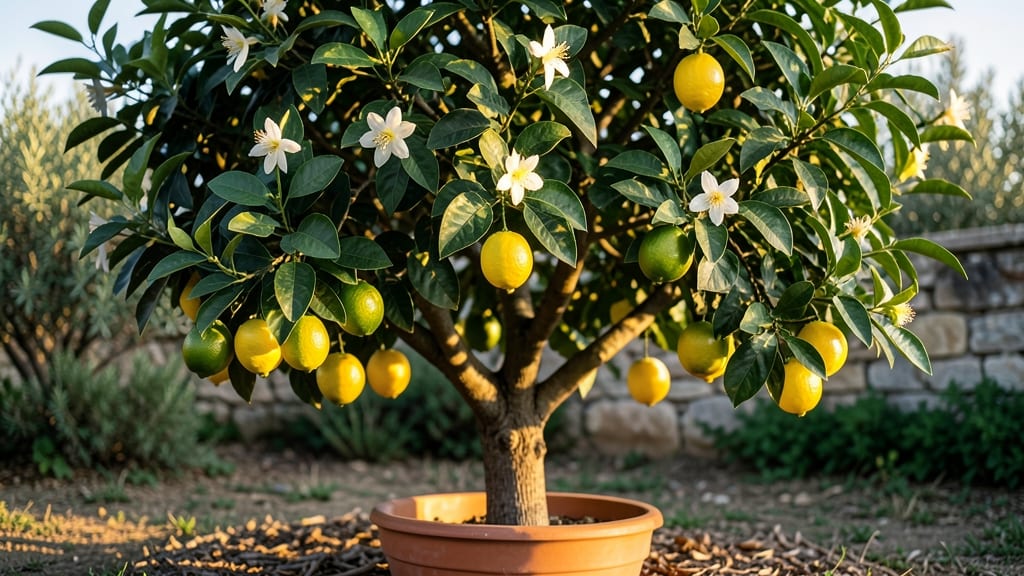
Growing a lemon tree in Zone 8 thrives with cold-hardy varieties like 'Meyer' or 'Improved Meyer,' planted in well-draining soil with full sun exposure. Protect young trees from winter frost and prune regularly for optimal fruit production and growth.
Zone 8's mild winters make it possible to grow lemons outdoors year-round, but choosing the right variety is key. 🌱 The 'Meyer' lemon, for instance, handles temperatures down to 15°F and produces sweet, juicy fruit perfect for baking or fresh eating.
Unlike traditional lemons, these varieties are more forgiving with less precise care requirements, making them ideal for beginners or busy gardeners. The secret to success lies in mimicking their natural Mediterranean environment—think sandy, slightly acidic soil and at least 6-8 hours of direct sunlight daily.
What sets Zone 8 apart is the need for winter protection. While mature trees can handle occasional dips below freezing, young trees need burlap wraps or frost cloth during cold snaps.
I've found that mulching the base with 3-4 inches of organic matter helps insulate roots, while pruning in late winter removes weak growth and encourages stronger spring regrowth. This balance between protection and stimulation keeps your tree healthy and productive year after year.
💡 In This Article
- Best Lemon Tree Varieties for Zone 8 Climates
- Step-by-Step Guide to Planting and Caring for Lemon Trees in Zone 8
Best lemon tree varieties for Zone 8 climates
The 'Meyer' lemon stands out as the gold standard for Zone 8 because it combines cold tolerance with exceptional fruit quality. Unlike traditional lemons, Meyer lemons can survive brief dips to 15°F without permanent damage, thanks to their hybrid genetics that include a mandarin parent.
The fruit itself is sweeter, with a thinner skin that yields to gentle pressure—perfect for squeezing over dishes or baking into desserts. 🌿 What makes it unique is its ability to produce fruit year-round in warm climates, with a peak harvest in late winter to early spring.
For those seeking a more traditional lemon flavor, the 'Improved Meyer' offers a similar cold hardiness but with a slightly more tart profile. This variety handles temperatures down to 20°F when mature, though young trees still need protection.
The trees grow to about 8-10 feet tall at maturity, making them ideal for backyard orchards or large containers. In contrast, 'Eureka' and 'Lisbon' lemons—common in commercial groves—struggle below 25°F, making them better suited for greenhouses or indoor growing in Zone 8's cooler winters.
Growth habits differ significantly between varieties. Meyer lemons develop a rounded, bushy shape that's easier to manage than the upright, thorny growth of traditional lemons. This means less aggressive pruning and fewer scratches when harvesting fruit.
The key to success is selecting a variety whose growth pattern matches your space and maintenance preferences—whether you prioritize low-maintenance care or specific fruit characteristics.
Fruit production varies too. Meyer lemons produce smaller, 2-3 inch fruits that ripen consistently, while traditional varieties yield larger but more acidic lemons. The trade-off? Meyer lemons are more disease-resistant, requiring fewer pesticides.
In my experience, the 'Improved Meyer' strikes the best balance—hardy enough for Zone 8 winters yet productive enough to justify the space it occupies.
Consider these factors when choosing:
- Cold tolerance: Meyer (15°F) > Improved Meyer (20°F) > Eureka/Lisbon (25°F)
- Fruit sweetness: Meyer (high) > Improved Meyer (moderate) > Traditional (low)
- Growth habit: Meyer (bushy) vs. Traditional (upright/thorny)
- Yield consistency: Meyer (year-round) vs. Traditional (seasonal peaks)
For beginners, the 'Meyer' lemon is the safest choice—it's forgiving, productive, and adapts well to Zone 8's variable winters. 🌞 The secret to its success lies in its genetic adaptability, which makes it the most reliable option for both containers and in-ground planting.