
Pruning
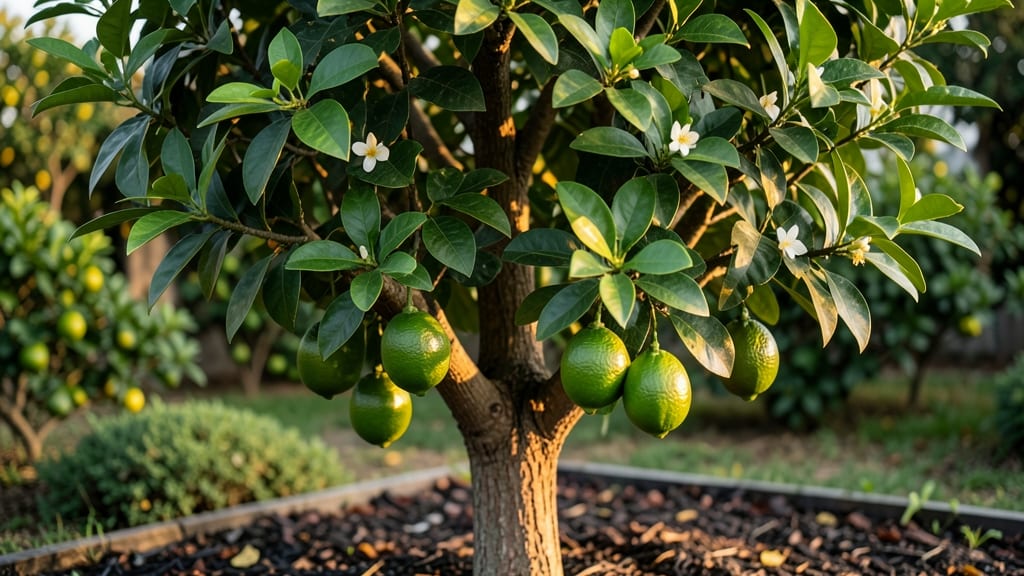
Your large lime tree could reach 20 feet tall—but only if you prune it right. ✂️ I’ve watched my Meyer lime tree grow from a sapling to a fruit-bearing giant by mastering just three pruning principles: when to cut, where to cut, and how to shape it for maximum airflow and sunlight.
The difference between a scraggly tree and one loaded with limes comes down to these simple techniques. The best time to prune is late winter or early spring, just before new growth begins.
You’ll want sharp pruners, rubbing alcohol for sterilizing cuts, and a clear plan for removing dead wood while encouraging outward growth. Most gardeners over-prune, but limes thrive with a more open, airy shape—think "less is more" when it comes to trimming.
By summer, you’ll see the payoff: fewer branches competing for energy means bigger, sweeter fruit. The tree stays compact enough for easy harvesting while still producing enough shade for your patio. And the best part?
You’ll avoid the common mistake of pruning too late in the season, which stresses the tree and delays fruit production. Container growing works too—just use a large pot with drainage and prune more aggressively to control size. Here’s how to keep your lime tree thriving year-round.
📚 In This Guide
- What you need
- Instructions
- Tips and common mistakes
- Wrapping up and next steps
What you need
- ● Pruning shears: Bypass pruners (for small branches, 1/4"–3/8" cuts)
- ● Loppers: 6"–8" bypass loppers (for branches 1/2"–2" in diameter)
- ● Pruning saw: Curved-tooth saw (for thick branches 2" or larger)
- ● Gloves: Heavy-duty, cut-resistant (to protect from thorns and sap)
- ● Disinfectant: 70% isopropyl alcohol or bleach solution (1 part bleach : 9 parts water) (to sterilize tools between cuts)
- ● Rubbing alcohol or hand sanitizer: (for cleaning hands after pruning)
- ● Lime tree pruning guide: Printed or digital (to reference branch angles and spacing)
- ● Extension pole: 6–10 ft (for hard-to-reach branches)
- ● Ladder: Sturdy, 12–16 ft (for safety—never stand on wobbly ladders!)
- ● Tree wound dressing: Pruning sealant (controversial but useful for large cuts)
- ● Plastic bags: For collecting fallen branches or fruit
- ● Notebook & pen: To jot down pruning notes or track growth
- ● Best time to prune: Late winter or early spring (before new growth starts)
- ● Weather check: Dry, calm day (avoid pruning after rain or in wind)
- ● Safety first: Wear long sleeves/pants (thorns!) and closed-toe shoes
- ● Tree health assessment: Inspect for pests/disease (prune only healthy branches)
How to prune a large lime tree for healthy sky-high growth
Here’s my go-to method for pruning mature lime trees—keeping them strong, productive, and looking their best year after year.
🌿 Step 1: Choose the Right Time to Prune
Prune your lime tree in late winter or early spring, just before new growth begins. This timing ensures you remove dead or weak branches before the tree focuses energy on fruit production. Avoid pruning during cold snaps—lime trees are sensitive to frost damage, and open wounds heal poorly in chilly weather.
Look for dormant branches (no leaves or buds) and crossing or rubbing branches—these are your top priorities. If your tree is already blooming, wait until after harvest to prune. You’ll know it’s the right moment when you see fresh, green buds swelling along the branches.
✂️ Step 2: Gather Tools and Sanitize for Safety
Use sharp, clean pruning tools—a bypass pruner for small branches and a pruning saw for thicker limbs. Sanitize your tools with rubbing alcohol or a 10% bleach solution before you start to prevent spreading disease. I always wipe down the blades between cuts on infected or diseased branches.
Wear gloves and long sleeves—lime tree branches can be thorny, and the sap can irritate skin. Have a bucket or tarp ready to collect debris, and a first-aid kit nearby just in case. A ladder or cherry picker might be needed for taller trees, but never stand on wobbly surfaces.
☀️ Step 3: Remove Dead, Diseased, or Weak Branches First
Start by cutting out any dead, diseased, or broken branches—these are the easiest to spot and the most important to remove. Look for blackened or hollow branches, fungal growth, or peeling bark. Make clean cuts at a 45-degree angle just outside the branch collar (the swollen area where the branch meets the trunk).
Next, remove crossing branches—these rub against each other, creating wounds that invite pests and disease. If two branches grow too close, cut the smaller one back to its origin. Thin out crowded branches to improve airflow and sunlight penetration. You’ll see a noticeable difference in the tree’s structure after this step—more open and airy.
🌱 Step 4: Shape the Tree for Balance and Airflow
Step back and visualize the tree’s natural shape—aim for a balanced, open canopy with sunlight reaching the center. Remove suckers (shoots growing from the base or trunk) and water sprouts (fast-growing vertical shoots). Cut these back to their point of origin to redirect energy to fruit production.
For overgrown branches, never remove more than 25% of the tree’s foliage in one season—this can stress the tree. If a branch is too large to cut in one go, make three cuts: the first 6-12 inches out from the branch, the second just outside the branch collar, and the third to remove the stub. This prevents tearing the bark.
⏰ Step 5: Finish with Light Maintenance Pruning
After the major cuts, do a final pass to tidy up any small branches that are growing inward or downward. These can block sunlight and reduce fruit yield. Use your pruners to trim them back to a healthy bud or lateral branch. Avoid "topping" the tree—cutting the main trunk to stubble—this causes ugly regrowth and weakens the tree.
Once you’re done, water the tree deeply to help it recover. Apply a balanced fertilizer (like 10-10-10) to support new growth. Monitor the tree over the next few weeks for any signs of stress—yellowing leaves or wilting—but don’t worry if you see some dieback. That’s normal after pruning, and new growth will fill in quickly.
Tips & tricks for pruning large lime trees
Real talk: Pruning a mature lime tree can feel overwhelming, but these simple tricks will make the process smoother and more effective.
Timing is Everything: The late winter to early spring window is non-negotiable for lime trees. This timing lets the tree heal before summer heat arrives. I've seen trees stressed from pruning in summer—leaves wilt, and fruit production drops. If you must prune outside this window, wait until after harvest when the tree has energy reserves.
The Three-Cut Technique: When removing larger branches in Step 4, use the three-cut method to avoid bark tearing. First cut is 6-12 inches out from the branch, the second just outside the branch collar, and the third to remove the stub. This prevents the bark from splitting, which can introduce diseases. I learned this the hard way after seeing a split branch develop fungal issues.
Visualize the Canopy: Before making any cuts, step back and visualize how sunlight will reach the center of the tree. Aim for an open, balanced shape that lets air circulate. I sketch a rough outline on paper first—this helps me see where branches need thinning. The goal is sunlight reaching all parts of the canopy, not just the outer branches.
Safety First: Wear gloves and long sleeves—not just for protection from thorns, but also from the tree's sap which can irritate skin. I always keep a first-aid kit handy after dealing with a particularly thorny tree. And never stand on wobbly ladders—use a sturdy cherry picker or have someone hold the ladder for you if you're working high up.
Pro Tips for Lime Tree Large
- Real talk: Pruning a mature lime tree can feel overwhelming, but these simple tricks will make the process smoother and more effective.
- Timing is Everything: The late winter to early spring window is non-negotiable for lime trees.
- The Three-Cut Technique: When removing larger branches in Step 4, use the three-cut method to avoid bark tearing.
Frequently asked questions
Got questions about growing and maintaining a large lime tree? You’re not alone! Here are answers to the most common queries to help you keep your citrus giant thriving.
How fast does a large lime tree grow, and how tall can it get?
A mature lime tree (Citrus aurantifolia or Citrus latifolia) can reach 15–25 feet tall with proper care, though dwarf varieties stay under 10 feet. Growth speed depends on climate, soil, and pruning—expect 1–3 feet per year in ideal conditions (warm, sunny, well-drained soil). Patience is key!
When is the best time to prune a large lime tree?
Prune your lime tree late winter to early spring (just before new growth starts) for best results. Avoid heavy pruning in summer or fall, as it stresses the tree. Light shaping can happen anytime, but never prune during frost—lime trees are sensitive to cold damage.
How do I prune a large lime tree safely without harming it?
Use sterilized, sharp pruners to make clean cuts at a 45-degree angle just above a leaf node. Remove dead, diseased, or crossing branches first, then thin out 20–30% of the canopy to improve airflow. Never top the tree—it encourages weak growth. Wear gloves (lime sap can irritate skin!).
Can I grow a large lime tree in a container, or does it need to be planted in the ground?
While lime trees thrive in the ground with deep root access, dwarf varieties (like ‘Meyer’ or ‘Bearss’) can grow in large containers (15+ gallons) for 3–5 years. Ensure the pot has drainage holes and use well-draining citrus soil mix. Move containers indoors or to a sheltered spot if temps drop below 40°F (4°C).
Why are my lime tree leaves yellowing or dropping, even after pruning?
Yellowing leaves often signal overwatering, nutrient deficiency, or pests. Check for:
- Root rot: Ensure soil drains well and water only when the top 2 inches are dry.
- Nitrogen deficiency: Apply a balanced citrus fertilizer (6-6-6 or 8-3-9) in spring.
- Pests: Inspect for aphids, scale, or spider mites—treat with neem oil or insecticidal soap.
- Cold stress: Lime trees hate frost; protect with frost cloth if temps dip.
Pro Tip: Mulch your lime tree with wood chips or straw (keep mulch 3–4 inches away from the trunk) to retain moisture and regulate soil temperature. Bonus: Mulch deters weeds and adds organic matter over time!
Wrapping up and next steps
Mastering the art of pruning your large lime tree isn’t just about trimming branches—it’s about unlocking its full potential for lush growth, bountiful harvests, and long-term health. 🌿 With the right tools, timing, and techniques, you can shape your tree into a thriving, sky-high beauty while keeping it safe and productive.
Whether you’re a seasoned gardener or a curious beginner, every snip brings you closer to a stunning, fruit-bearing masterpiece.
Ready to take the next step? Start by scheduling your first pruning session this season—just remember: patience and consistency are your best allies. Grab your pruners, dust off your gloves, and watch your lime tree reach new heights, one careful cut at a time! 🌳✨