
Pruning
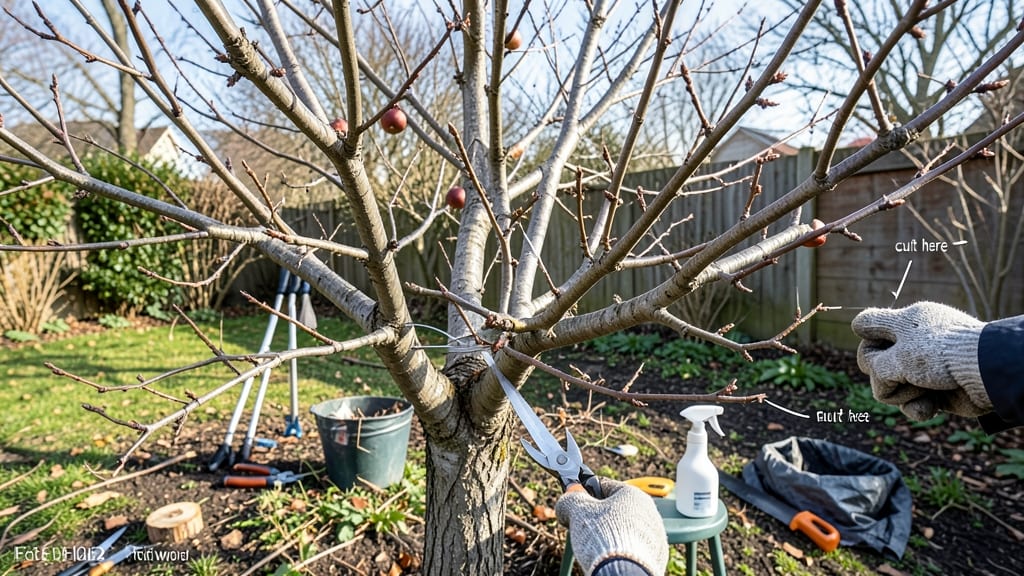
A fruit tree pruning guide isn’t just about shaping branches—it’s the secret to bigger harvests and healthier trees. 🌳 I’ve pruned everything from apple trees to peaches, and the difference between a neglected tree and one that produces bushels of fruit comes down to a few simple cuts made at the right time.
The key is understanding when to prune (and when to leave it alone), which branches to remove, and how to make clean cuts that heal properly.
You’ll need just a handful of tools: sharp pruners for small branches, loppers for thicker growth, and a saw for anything larger than 2 inches in diameter. Safety gear like gloves and eye protection is a must—those branches can snap back unexpectedly.
The real magic happens in the timing: winter pruning for dormant trees, summer pruning to control growth, and light maintenance throughout the year to keep the tree open and airy. Most gardeners skip the seasonal details, which is why their trees never seem to thrive.
By the end of this, you’ll be able to prune with confidence, knowing exactly where to cut to encourage fruit production and improve air circulation. Your trees will reward you with stronger branches, fewer diseases, and fruit that’s easier to pick.
And the best part? You’ll save money by avoiding costly replacements or chemical treatments. Let’s get those branches looking—and producing—like pros.
Whether you’re dealing with a young tree that needs shaping or an established one that’s overgrown, the same principles apply. We’ll cover the specifics for different fruit types, so you can tailor your approach.
No more guessing—just clear, actionable steps to keep your trees happy and productive for years to come.
📚 In This Guide
- What you need
- Instructions
- Tips and common mistakes
- Wrapping up and next steps
What you need
- ● Pruning shears: Bypass pruners (for cuts up to ¾ inch) – 1 pair (sharp, high-quality, like Felco or Fiskars).
- ● Loppers: For branches ¾ inch to 2 inches thick – 1 pair (with a long handle for leverage).
- ● Pruning saw: For thicker branches (2+ inches) – 1 (bow saw or pruning saw with a fine-tooth blade).
- ● Gloves: Heavy-duty, cut-resistant – 1 pair (gardening gloves with grip).
- ● Disinfectant: 70% rubbing alcohol or bleach solution (1 part bleach to 9 parts water) – small bottle (to sterilize tools between cuts).
- ● Rope or twine: For temporary support (if needed) – 1 roll (3/8-inch poly rope).
- ● Ladder or step stool: For hard-to-reach branches – 1 (stable, non-slip).
- ● Hand saw: For precision cuts on large branches.
- ● Pole pruner: Extendable tool for high branches (saves ladder use!).
- ● Tree wound dressing: Controversial but some swear by it (e.g., pruning sealant).
- ○ Pruning paint: For sealing large cuts (optional, but can help prevent disease).
- ● Notebook & pen: To jot down pruning notes or sketch your tree’s structure.
- ● Safety gear: Goggles (to protect from debris) and long sleeves.
Step-by-step fruit tree pruning guide for year-round health
Here's how I transform neglected fruit trees into productive, disease-resistant powerhouses—season by season.
✂️ Step 1: Prune in Late Winter for Structural Foundation
Timing matters most: prune 4-6 weeks before bud break (when you see swollen buds but no leaves). This prevents disease spread and gives wounds time to heal before spring growth. I always start with the 3-D rule: dead, diseased, and crossing branches first—these are your top priorities.
Use sharp, clean pruners to make cuts at a 45-degree angle, just outside the branch collar (the swollen area where the branch meets the trunk). Never leave stubs—this invites rot and weakens the tree. For branches thicker than your wrist, make a 3-cut technique: undercut first, then top cut, and finally remove the branch. You'll see fresh, white wood underneath—this confirms you've cut cleanly.
🌿 Step 2: Summer Light Pruning for Airflow and Fruit Quality
In mid-to-late summer, focus on thinning out rather than heavy cutting. Remove water sprouts (those vertical shoots growing straight up) and any branches growing inward. These compete with fruit-bearing wood and block sunlight. I look for branches with clusters of fruit—if they're crowded, thin to 6-8 inches between fruit spurs to improve size and quality.
Watch for suckers (shoots at the tree's base) and rubbing branches (those touching each other). These create wounds that harbor pests. Use your fingers to gently twist off small suckers—no need for pruners. For rubbing branches, make clean cuts at the branch collar. You'll notice more sunlight reaching the center of the tree, which prevents fungal diseases like powdery mildew.
⏰ Step 3: Light Cleanup in Early Fall for Winter Prep
In early fall, do a final light pruning to remove any dead or diseased wood that may have appeared over summer. This prevents overwintering pests and diseases. I also look for branches that grew too vigorously this season—these often have weak wood that won't survive winter. Cut back by 1/3 of their length to strengthen them.
Sterilize your pruners between cuts by wiping with rubbing alcohol or a 10% bleach solution. Avoid heavy pruning now—you don't want to stimulate new growth that won't harden off before winter. Instead, focus on shaping and removing anything that looks compromised. You'll see the tree's structure become clearer, with stronger branches ready for winter.
☀️ Step 4: Post-Winter Inspection and Minor Adjustments
After winter dormancy, do a quick inspection in early spring before buds swell. Remove any branches that died over winter (they'll be brittle and snap easily). Also check for storm damage—wind often takes out weak branches during winter. Make clean cuts as before, but keep adjustments minimal at this stage.
This is also the time to thin out fruit clusters if you want larger harvests. Leave 1-2 fruits per spur (the short side branches where fruit forms). You'll see fewer but much larger, higher-quality fruits later in the season. Avoid heavy pruning now—spring is about refinement, not restructuring.
Tips & tricks for perfect fruit tree pruning
Transforming a neglected fruit tree into a thriving orchard isn't just about cutting branches—it's about strategic timing and technique that builds health over seasons.
Seasonal Timing is Everything: The 4-6 week window before bud break in late winter is your golden opportunity to shape the tree's future. I've seen trees that looked hopeless after a single winter pruning session—those swollen buds tell you exactly when to act. If you're unsure about bud break timing, check your local frost dates and count backward. The goal is to give the tree time to heal before spring growth begins, preventing disease entry points.
Tool Sharpness Saves Trees: Dull pruners crush wood fibers, creating jagged wounds that invite rot and pests. I always test my pruners on a scrap piece of wood before starting—if it doesn't make a clean cut, it's time to sharpen. For larger branches, the 3-cut technique isn't just about safety (though that's critical), it's about preserving the tree's natural healing response. That fresh white wood you expose? It's the tree's first line of defense against infection.
Visual Cues Over Rules: Those 6-8 inch spacing guidelines between fruit spurs in summer aren't arbitrary—they're about light penetration. When you see branches casting shade on other branches, that's your cue to thin. I often use my hand as a reference: if I can't see sunlight through the center of the tree, it's time to prune. The same goes for fruit clusters—when you see more than 2 fruits per spur, you're competing with the tree's own resources.
Sterilization Prevents Disasters: That 10% bleach solution between cuts isn't just a suggestion—it's insurance. I've seen entire orchards lost to fungal spread because pruners weren't cleaned between trees. For a quicker alternative, keep rubbing alcohol in a small spray bottle and wipe between cuts. The key is consistency: if you sterilize once, you need to do it every time to prevent cross-contamination.
Pro Tips for Fruit Tree Pruning Guide
- Transforming a neglected fruit tree into a thriving orchard isn't just about cutting branches—it's about strategic timing and technique that builds health over seasons.
- Seasonal Timing is Everything: The 4-6 week window before bud break in late winter is your golden opportunity to shape the tree's future.
- Tool Sharpness Saves Trees: Dull pruners crush wood fibers, creating jagged wounds that invite rot and pests.
Frequently asked questions
Got questions about pruning your fruit trees like a pro? You’re not alone—even seasoned gardeners need a little guidance! Below, we’ve tackled the most common queries to help you prune with confidence and keep your trees thriving.
When is the best time to prune fruit trees?
The ideal timing depends on your tree type! For most fruit trees (like apples, peaches, and cherries), late winter or early spring (before buds swell) is best. Citrus trees, however, should be pruned in late winter or early spring to avoid frost damage. Avoid heavy pruning in fall, as it can stress trees before winter.
How much can I prune without harming my tree?
Generally, remove no more than 25% of the tree’s canopy in a single session. Over-pruning can weaken the tree, reduce fruit production, and invite pests. For young trees, light pruning (5-10%) encourages strong growth. Always cut back to a bud or branch collar (the swollen area where branches meet the trunk).
What if my tree isn’t flowering or fruiting after pruning?
If your tree seems sluggish, check these fixes:
- Timing: Some trees need 2-3 years to recover after heavy pruning.
- Nutrients: Apply a balanced fertilizer (like 10-10-10) in early spring.
- Watering: Deep water weekly during dry spells.
- Disease: Look for signs of blight, canker, or pests—treat with organic sprays if needed.
Can I prune fruit trees without shears? What are my alternatives?
Yes! For small branches, use:
- Hand saws (for thicker limbs up to 2 inches).
- Loppers (for medium branches, 2-4 inches).
- Pruning saws (for larger cuts).
Will pruning my fruit tree affect next year’s harvest?
Pruning can boost next year’s fruit if done correctly! By removing dead, crossing, or overcrowded branches, you improve airflow and sunlight—key for bigger, healthier fruit. However, aggressive pruning too late in the season (like summer) may delay fruiting. Stick to the late winter/early spring window for best results!
Pro Tip: Mark Your Calendar!
Use a garden journal to track pruning dates, weather, and tree responses. This helps you adjust techniques year over year. For example, if your peach tree blooms early, prune even earlier to avoid frost damage to flowers!
Wrapping up and next steps
Mastering the art of fruit tree pruning is your secret weapon for a thriving orchard—whether you’re trimming for shape, health, or that bountiful harvest you dream of! 🌳✨ With the right tools, timing, and techniques, you’ll not only encourage stronger growth but also maximize fruit production year after year.
The key is consistency and confidence: start small, observe your tree’s response, and adjust as you go.
Now that you’re armed with knowledge, grab those pruners and get hands-on! 🌟 Next up: Track your tree’s progress season by season, and don’t hesitate to revisit this guide whenever you need a refresher. Happy pruning—your future fruit feast starts today!