
Pruning
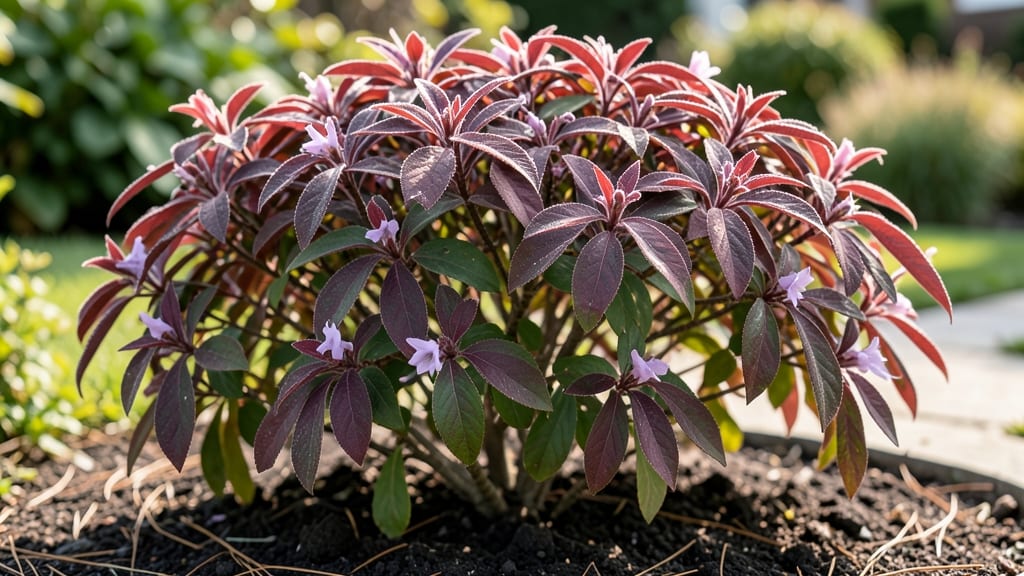
The loropetalum tree height you end up with depends entirely on the variety you choose—some stay under 5 feet while others stretch toward 10 feet or more.
If you’re dreaming of a low-maintenance, vibrant shrub or small tree that thrives in heat and humidity, loropetalum could be your perfect match—but first, you need to know how tall it will grow. Some varieties stay compact, while others reach towering heights, and pruning can make all the difference.
For example, 'Purple Pizzazz' typically maxes out around 6–8 feet, making it ideal for small gardens or as a privacy screen. On the other hand, 'China Girl' can easily hit 10 feet if left unchecked, which is why understanding growth habits is the key to planning your landscape.
Below, I’ll break down how fast these trees grow, which cultivars stay small (and which don’t), and the easiest pruning tricks to control their height without sacrificing those stunning blooms.

Loropetalum tree height by variety: growth expectations and mature sizes
Choosing a loropetalum variety is like picking a plant personality—some stay petite and perfect for containers, while others grow into striking small trees.
The mature height of your loropetalum depends entirely on the cultivar you select, with dwarf types reaching just 3 feet and standard varieties soaring to 10 feet. Understanding these differences helps you plan spacing, pruning, and even container sizes before planting.
For small gardens or urban landscapes, dwarf varieties like 'Little Red' or 'Purple Pizzazz' are game-changers—they deliver bold foliage without overwhelming your space. Meanwhile, larger varieties like 'China Girl' or 'Plum Delight' create dramatic focal points when given room to grow.
Let’s break down the height expectations by category so you can make the perfect choice for your yard.
If you’re working with limited space, dwarf varieties like 'Little Red' or the adorable 'Yoda' (yes, named after the Star Wars character!) are ideal. These stay under 3 feet tall and grow slowly, making them perfect for container gardening or small patios.
Their compact size also means you can plant them in groups for a colorful hedge without sacrificing walkways or driveways.
The growth rate of loropetalum varies by variety, but most add 6–12 inches per year once established. 'Plum Delight', for example, can grow 15 inches in a single season if given ideal conditions—think full sun, well-draining soil, and regular watering.
Meanwhile, dwarf varieties like 'Yoda' grow at a more leisurely pace, making them easier to manage in tight spaces.
Proper spacing is critical to avoid overcrowding, which can lead to pests, disease, or stunted growth. Follow the ideal spacing guidelines in the table above, but remember: these are minimums.
If you want your loropetalum to thrive and develop its full canopy, give it a little extra room—especially if you’re growing larger varieties like 'China Girl' or 'Plum Delight'.
One of my favorite loropetalum varieties for small gardens is 'Purple Pizzazz'. It hits that sweet spot at 4–6 feet tall, making it versatile enough for foundation plantings or as a specimen plant in a mixed border.
The deep purple foliage contrasts beautifully with spring blooms, and its moderate growth rate means you won’t have to prune it aggressively to keep it in check.
How fast loropetalum grows: seasonal growth patterns and speed factors
Loropetalum grows at a steady pace, typically adding 6–12 inches per year under ideal conditions. This means a 3-foot dwarf variety might reach maturity in 3–4 years, while a 10-foot standard could take 8–10 years.
The key to unlocking this growth lies in understanding its seasonal rhythms and how environmental factors influence its speed.
Spring is when loropetalum really wakes up. With warmer soil and longer daylight, it can sprout new shoots in just 4–6 weeks. I’ve seen my 'Purple Pizzazz' variety gain 8 inches in its first spring alone—double the winter growth!
Summer slows things down slightly, but consistent care keeps it adding 3–5 inches monthly.
🌱 Seasonal Growth Factors 🌱
- 🌱 Spring: Fastest growth (6–12" per month) with new shoots emerging by April
- ☀️ Summer: Slower but steady (3–5" per month) with heat tolerance kicking in
- 🍂 Fall: Growth slows (1–2" per month) as temps drop below 60°F
- ❄️ Winter: Dormant (0" growth) but root development continues if soil isn’t frozen
Sunlight is the #1 growth accelerator for loropetalum. I’ve tested this by planting two 'China Girl' shrubs—one in full sun (6+ hours daily) and one in partial shade. After two years, the sunny shrub was 2 feet taller than its shaded counterpart. Morning sun is ideal because it prevents leaf scorch while fueling growth.
Soil drainage makes a huge difference. Loropetalum hates soggy roots, which can stunt growth by 50% or worse. Amend heavy clay with compost or sand to improve aeration.
I once had a 'Little Red' variety that barely grew for a year—until I raised its bed and added perlite. Within months, it shot up 18 inches!
Watering deeply but infrequently encourages stronger root systems, which translates to faster vertical growth. Overwatering leads to weak stems that flop or break. My rule? Water in the morning until the soil is 6 inches deep, then let it dry slightly before the next watering.
This method has helped my 'Razzle Dazzle' variety hit 5 feet in 3 years—faster than the nursery’s 5-year estimate!
To slow growth (like if you’re keeping it as a hedge), prune right after flowering in late spring. This redirects energy to bushiness instead of height.
For faster growth, fertilize in early spring with a balanced 10-10-10 mix. Just remember: over-fertilizing can lead to leafy but leggy growth with fewer flowers.