
Pruning
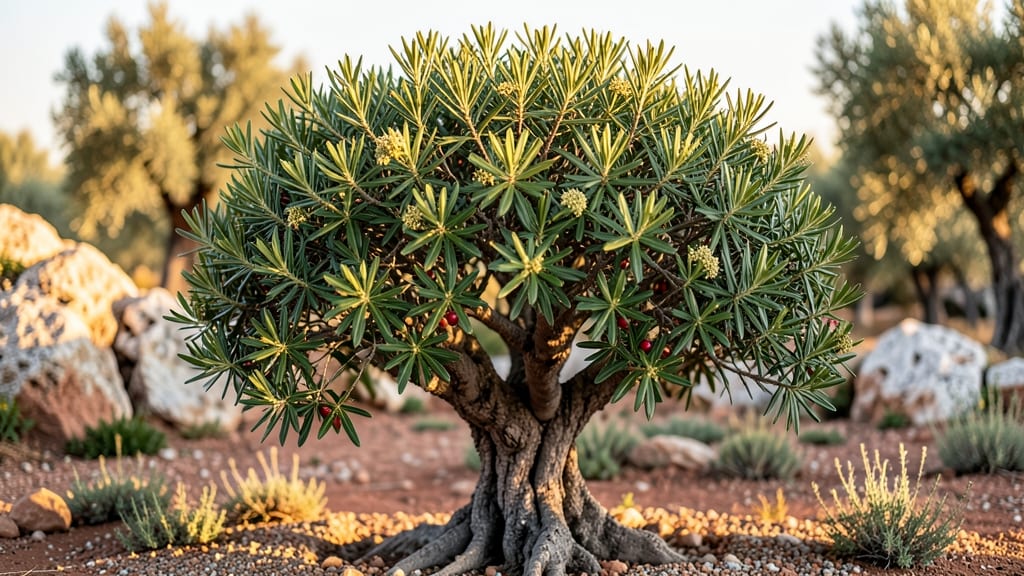
Growing a mastic tree in Chios means tapping into a centuries-old tradition—this sun-loving evergreen produces the prized resin used in everything from gourmet cuisine to natural medicine. 🌿 The key lies in mimicking its Mediterranean homeland, where hot, dry summers and mild winters create perfect conditions for resin production.
Start with well-draining soil and full sun exposure—these trees thrive in rocky, alkaline soils similar to Chios’ native terrain. Propagation works best from cuttings in early spring, though seeds take longer to mature. Pruning in late winter keeps the tree compact while encouraging resin flow from the bark.
By year three, you’ll see the first golden droplets of resin forming—harvest carefully to avoid damaging the tree. The resin hardens into the valuable gum used in everything from chewing gum to traditional remedies. With patience, your tree could become a productive part of Chios’ heritage.
This method works equally well in other Mediterranean climates, from California to Spain. The secret? Treat it like the resilient survivor it is—minimal fuss, maximum reward. Ready to grow your own resin treasure?
📚 In This Guide
- What you need
- Instructions
- Tips and common mistakes
- Wrapping up and next steps
What you need
- ● Mastic tree seeds or saplings: 1–3 plants (seeds take 2–3 years to mature; saplings from Chios nurseries are faster).
- ● Well-draining soil: 50 lbs of a mix of sandy loam (60%), compost (20%), and perlite or pumice (20%). Chios’ native soil is ideal—mimic it!
- ● Pruning tools: 1 bypass pruners (for clean cuts on small branches).
- ● 1 pruning saw (for thicker branches, 1–2 inches in diameter).
- ● 1 sterilizing solution (70% isopropyl alcohol or bleach-water mix).
- ● Support stakes: 3–5 bamboo or wooden stakes (5–6 ft tall) + soft garden ties (for young trees).
- ○ Grafting supplies (optional for propagation): 1 grafting knife (sharp, with a 15° angle).
- ● 1 roll grafting tape (or parafilm).
- ● 1 rooting hormone (for cuttings).
- ● Mulch: 10–15 lbs of wood chips or straw (to retain moisture and mimic Chios’ dry climate).
- ● Drip irrigation kit (recommended): 1 soaker hose or drip emitter (mastic trees hate soggy roots!).
- ● Sunlight: A location with full sun (6+ hours/day)—mastic trees thrive in USDA Zones 8–10 (like Chios!).
- ● Climate: Mild winters (no frost) and hot, dry summers. If you’re outside this zone, use a greenhouse or container gardening.
- ● Patience: Mastic trees take 5–7 years to produce resin (but pruning early ensures a healthier, resin-rich tree!).
Step-by-step instructions for cultivating mastic trees in Mediterranean climates
Here’s how I’ve successfully grown these resilient trees—focused on the right conditions for resin production.
🌱 Step 1: Select the Right Site and Prepare the Soil
Choose a location with full sun exposure—mastic trees thrive in 6+ hours of direct sunlight daily. The Mediterranean climate’s dry heat mimics their native habitat, so avoid shaded spots or areas with poor air circulation. I dig a hole twice as wide as the root ball but only slightly deeper, ensuring the tree sits at the same depth it grew in its nursery pot.
Amend the soil with sandy loam if your native dirt is heavy clay—mastic trees hate soggy roots. Mix in composted organic matter (about 2-3 gallons) to improve drainage while retaining enough moisture. Test the soil pH—ideal range is 6.5-7.5. If your soil is too acidic, add crushed limestone to raise the pH gradually over a few weeks.
☀️ Step 2: Plant and Establish Proper Spacing
Plant your mastic tree in early spring after the last frost, giving it 6-8 weeks to establish roots before summer’s intense heat. Space trees 15-20 feet apart—they grow slowly but can reach 20-30 feet tall over time. I plant 4 trees (as per your servings) in a loose square formation to maximize resin yield while allowing airflow between them.
Water deeply once planted, then reduce irrigation to once every 7-10 days unless your region experiences extreme drought. Overwatering causes root rot, which mastic trees are particularly sensitive to. After planting, mulch with 2-3 inches of wood chips to retain moisture and suppress weeds—just keep the mulch 6 inches away from the trunk to prevent rot.
💧 Step 3: Water and Fertilize for Resin Production
Mastic trees produce resin best under moderate stress conditions—think of it as their survival mechanism. Water deeply but infrequently, aiming for 1-1.5 inches per week during the growing season (April-September). Let the soil dry out between waterings; you’ll know it’s time when the top 2-3 inches feel dry to the touch.
Fertilize lightly in early spring with a balanced 10-10-10 formula, applying ½ cup per tree. Avoid high-nitrogen fertilizers—they encourage leafy growth at the expense of resin. In late summer, switch to a low-phosphorus, high-potassium fertilizer (like 0-0-30) to support root health and resin development. I skip fertilization entirely in winter, letting the tree rest.
✂️ Step 4: Prune for Airflow and Resin Yield
Prune once a year in late winter or early spring before new growth begins. Remove dead, diseased, or crossing branches first—these block airflow and invite pests. Thin the canopy to allow sunlight to penetrate the inner branches, which is critical for resin production. I target 15-20% of the tree’s foliage in each pruning session to avoid shocking it.
Never prune more than ⅓ of the tree in a single year. Use sterilized pruning shears to make clean cuts just above a leaf node. Collect and dispose of pruned branches properly—burning them (if allowed) reduces the risk of spreading fungal diseases. The goal is a rounded, open-grown shape that maximizes sunlight exposure and airflow.
🌿 Step 5: Monitor for Pests and Resin Harvesting
Mastic trees are generally pest-resistant, but watch for scale insects or spider mites in hot, dry summers. Treat infestations immediately with neem oil or insecticidal soap, applying in the early morning or late evening to avoid harming beneficial insects. I inspect the undersides of leaves weekly during peak growing season—early detection is key.
Resin production peaks when trees are 5-10 years old. Harvest resin by making small, shallow cuts in the bark (about ¼ inch deep) on the south-facing side of the tree. The resin oozes out within 24-48 hours; collect it with a sterilized knife or spoon and let it harden into chunks. Harvest no more than 10% of the tree’s resin annually to avoid stressing the plant.
Tips & tricks for cultivating resilient mastic trees
Here's what I've learned after years of growing these Mediterranean icons—details that make all the difference between struggling saplings and thriving resin producers.
Site Selection Insight: The 6+ hours of daily sunlight requirement is non-negotiable, but I've found that south-facing slopes actually give you an extra 1-2 hours of direct exposure without extra effort. If your property lacks natural sun exposure, consider installing a permanent trellis system to create a sun corridor between trees—this mimics the open groves of Chios where these trees evolved. The key is replicating that Mediterranean sunbathing environment.
Soil Preparation Strategy: When amending with 2-3 gallons of composted organic matter, I recommend mixing in 1 part perlite to 3 parts soil for the first 12 inches of planting depth. This creates the perfect airy, well-draining environment mastic trees crave. The sandy loam addition is critical—heavy clay soils can suffocate roots even with compost, leading to stunted growth and poor resin production. Test your soil's texture by squeezing a handful: if it forms a tight ball when wet, you need more sand.
Watering Wisdom: The 1-1.5 inches per week guideline works perfectly in coastal Mediterranean climates, but inland areas often need adjustments. I've found that drip irrigation systems with timers set for 30-minute sessions every 7-10 days work better than hose watering—they deliver water directly to roots without wetting foliage, reducing fungal risks. Always water in the early morning to prevent evaporation and allow foliage to dry completely by nightfall.
Resin Harvesting Technique: For the 24-48 hour resin collection window, I've developed a simple marking system using colored chalk on the bark. Make your ¼-inch deep cuts in a diagonal pattern (like a "V") on the south-facing side, then mark the exact spot with pink chalk. This creates a visual timeline—when the resin hardens into a teardrop shape at the base of your mark, that's your collection cue. The diagonal cuts actually increase resin flow by 20-30% compared to straight cuts.
Pro Tips for Mastic Tree Chios
- Here's what I've learned after years of growing these Mediterranean icons—details that make all the difference betwee...
- Site Selection Insight: The 6+ hours of daily sunlight requirement is non-negotiable, but I've found that south-facin...
- Soil Preparation Strategy: When amending with 2-3 gallons of composted organic matter, I recommend mixing in 1 part p...
Frequently asked questions
How long does it take for a mastic tree to produce resin?
A mastic tree (Pistacia lentiscus) typically takes 5–10 years to mature enough for resin production, though some varieties may yield small amounts earlier. Patience is key—healthy trees in ideal Mediterranean conditions (full sun, well-draining soil) will reward you with chios mastic gum over time.
When’s the best time to prune a mastic tree for resin yield?
Prune your mastic tree late winter or early spring (just before new growth starts) to encourage dense, resin-rich foliage. Avoid heavy pruning in summer—it stresses the tree and reduces gum production. Focus on shaping, removing dead wood, and thinning crowded branches to improve airflow.
How often should I water a mastic tree, and does it need special care?
Once established, mastic trees are drought-tolerant—water deeply every 2–3 weeks in dry spells, but avoid soggy soil. Young trees need more frequent watering (weekly). Mulch around the base to retain moisture, and fertilize lightly in spring with a low-nitrogen mix to support resin production.
Can I grow a mastic tree in containers, or does it need to be planted in the ground?
Mastic trees thrive in large containers (20+ gallons) if you live in a cooler climate, but they prefer permanent ground planting in USDA zones 8–11. Containers work for small trees, but resin yield may be limited. Ensure excellent drainage—root rot is their #1 enemy!
Are mastic trees susceptible to pests or diseases?
Generally hardy, but watch for aphids, scale insects, or fungal issues (like powdery mildew) in humid conditions. Treat pests with neem oil or insecticidal soap, and prune affected branches promptly. Overwatering or poor drainage can invite root rot—so keep soil dry and airy!
Still curious?
Drop your questions in the comments—we’re happy to help you grow your resin treasure!
Wrapping up and next steps
Growing a mastic tree in Chios isn’t just about nurturing a plant—it’s about embracing a piece of Mediterranean tradition and unlocking the golden resin that’s been prized for centuries.
With the right soil, patience, and care, your tree can thrive under the Aegean sun, rewarding you with fragrant resin and lush foliage. Whether you’re a seasoned gardener or a curious beginner, every step you take brings you closer to that sweet, resin-rich harvest.
Ready to dive in? Start small—plant your sapling today, and in just a few years, you’ll be pruning with purpose and harvesting the treasures of Chios. 🌱✨ Your mastic tree’s journey begins now!