
Trees
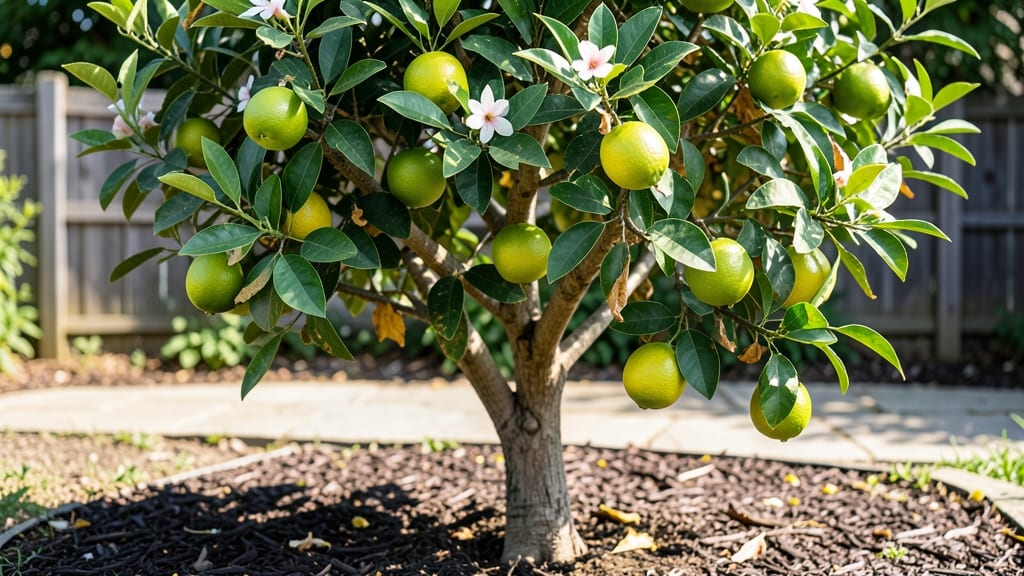
Your Meyer lemon tree dropping leaves could mean root stress—and luckily, this isn’t a death sentence. 🌿 I’ve nursed back three lemon trees with yellowing foliage, and the fix always starts with checking what’s happening below the soil surface.
The good news? Root issues often reveal themselves through leaf patterns, and you can turn things around in weeks with the right approach.
Most leaf drop comes from overwatering (the #1 culprit), compacted roots, or nutrient starvation—all of which create the same symptoms: sudden yellowing, wilting, or leaves falling without warning. The key is diagnosing the type of stress: is the soil soggy or bone-dry?
Are roots circling the pot? Are there gummy deposits on stems? Each clue points to a different fix, and none require expensive tools—just observation and simple adjustments.
By the end of these steps, your tree will be holding onto leaves again, with new growth that’s deep green and glossy instead of patchy. The rescue process takes about 4-6 weeks, but the first sign of improvement—firm, vibrant new leaves—happens within 10-14 days if you catch it early.
Even my most stubborn citrus trees have bounced back with this method.
Whether you’re dealing with a pot-bound tree or one that’s been neglected through winter, the same principles apply. The goal isn’t just to stop the leaf drop—it’s to build a stronger root system so your Meyer lemon thrives for years. Let’s get those roots happy again.
Understanding Root Causes
When your Meyer lemon tree starts shedding leaves, it’s often its way of signaling distress—like a tiny, citrusy SOS. But what’s really making those leaves take flight? Let’s break down the most common culprits and why they trigger this reaction, so you can diagnose the issue like a pro.
Meyer lemon trees are tropical at heart but can tolerate mild climates—if they’re given the right conditions. When temperatures swing too hot or too cold, leaves drop as a survival tactic.
- Cold Shock 🥶: Below 40°F (4°C), your tree’s metabolism slows, and cell damage occurs.
Leaves turn yellow or brown before falling, often starting with the oldest ones. - Heat Stress 🔥: While Meyer lemons love warmth, sudden heatwaves above 90°F (32°C)—especially with low humidity—can cause transpiration stress.
Roots struggle to pull up enough water, leading to wilting and leaf drop. - Seasonal Changes 🍂: If your tree is indoors, drafty windows, AC blasts, or heaters can create unstable microclimates. Outdoors? Early frosts or late-season cold snaps are the usual suspects.
Pro Tip: 🌡️ Monitor your tree’s environment—use a soil thermometer (yes, it’s a thing!) to track root-zone temps. Ideal range: 60–85°F (15–29°C).
Water is the lifeblood of your Meyer lemon tree, but imbalance is a fast track to leaf loss.
| Issue | Signs | Why It Happens |
|---|---|---|
| Underwatering | Dry, crispy leaves, soil pulls away from pot edges | Roots dry out, stomata close to conserve water, but leaves still fall to reduce transpiration. |
| Overwatering | Yellowing leaves, mushy stems, root rot smell | Oxygen deprivation in soggy soil triggers anaerobic bacteria, rotting roots and starving the tree. |
| Inconsistent Watering | Leaves curl, drop randomly | Roots can’t establish a steady moisture supply, causing hydraulic failure in leaf cells. |
Actionable Fix:
- Check soil moisture by sticking your finger 2–3 inches deep—if it’s dry, water deeply. If it’s soggy, hold off and improve drainage.
- Meyer lemons hate wet feet—ensure pots have drainage holes and use a well-draining mix (cactus soil + perlite).
A healthy root system is non-negotiable for leaf retention. When roots are compromised, the tree prioritizes survival over foliage.
- Root Rot 🍄: Caused by fungi (Phytophthora) or bacteria (Erwinia) in waterlogged soil.
Roots turn black/mushy, and the tree can’t absorb nutrients or water. - Physical Root Injury 🪓: Over-pruning roots during repotting, girdling roots (circling the pot), or construction damage disrupts water/nutrient flow. - Pests Underground 🐜: Root-knot nematodes or fungal pathogens like Armillaria (honey fungus) attack roots, causing leaf yellowing and drop.
Red Flags:
- Foul-smelling soil (root rot).
- Stunted growth despite good care.
- Leaves dropping even after watering.
Emergency Move: 🚨 If you suspect root rot, repot in fresh, sterile soil and trim black/mushy roots with sterilized shears.
Leaves are the canaries in the coal mine for nutrient issues. If your Meyer lemon isn’t getting the right balance, it sheds foliage to conserve energy.
| Deficiency | Leaf Symptoms | Solution |
|---|---|---|
| Nitrogen (N) | Older leaves turn yellow (chlorosis) | Feed with balanced citrus fertilizer (e.g., 6-6-6) every 4–6 weeks. |
| Potassium (K) | Brown leaf edges, weak stems | Use potassium-rich fertilizer or banana peel tea. |
| Magnesium (Mg) | Yellow patches between veins | Apply Epsom salt (1 tbsp/gallon water) every 2 months. |
| Iron (Fe) | Yellowing new leaves (chlorosis) | Use chelated iron or acidify soil (pH 6.0–7.0). |
| Over-Fertilizing | Leaf burn, brown tips | Flush soil with water to leach excess salts. |
Pro Tip: 💡 Test your soil with a DIY kit before fertilizing—overdoing it is just as harmful as underfeeding!
Even the hardiest Meyer lemons can freak out when uprooted or exposed to stressful conditions.
- Repotting Gone Wrong 🏺: If roots are severely disturbed during transplant, the tree focuses energy on regrowing roots instead of keeping leaves.
- Sudden Light Changes ☀️: Moving from shade to full sun (or vice versa) can cause sunburn or shock, leading to leaf drop.
- Wind or Physical Stress 🌬️: Drafty spots, strong winds, or bumping into the tree damages delicate leaves, triggering premature drop.
Recovery Tip: 🌱 After repotting, keep your tree in a stable spot for 2–4 weeks and avoid fertilizing until new growth appears.
Pests sap nutrients and damage foliage, forcing your tree to shed leaves as a defense mechanism.
- Spider Mites 🕷️: Tiny yellow dots on leaves, webbing—they pierce cells, causing dehydration and drop.
- Scale Insects 🐛: Sticky residue (honeydew), black sooty mold—they clog stomata, suffocating leaves.
- Root-Boring Beetles 🪲: Hollow stems, frass (sawdust-like debris)—they sever vascular connections.
Battle Plan:
- Spray leaves with neem oil (1 tsp/gallon water) weekly.
- Inspect roots during repotting—prune damaged areas and treat with beneficial nematodes for soil pests.
Not all leaf drop is bad! Meyer lemons shed older leaves as part of their natural growth cycle.
- Seasonal Shedding 🍃: In late winter/early spring, trees drop 10–20% of leaves to conserve energy before new growth.
- Small, Yellow Leaves 🍁: If leaves are tiny, thin, and yellow, they’re immature and may drop before maturing.
When to Worry:
- Sudden, heavy drop (>30% leaves).
- Wilting, curling, or discoloration before falling.
- No new leaves after 4–6 weeks.
Key Takeaway: 🎯 Leaf drop is a symptom, not the disease. Pinpoint the root cause (literally!) with these clues, and you’ll be well on your way to reviving your Meyer lemon’s health. Next up: How to Fix It—because knowledge is power, but action is everything!
Revive Your Lemon Tree: Step-by-Step Fixes
If your Meyer lemon tree is dropping leaves, don’t panic—most issues are fixable with the right care. Below, we’ve mapped out practical solutions based on the most common causes, from overwatering to pests, along with prevention tips to keep your tree thriving.
Let’s get your citrus queen back to her lush, leafy self! 🌿🍋
If your tree’s roots are drowning, yellowing leaves and drooping foliage are classic signs. Here’s how to rescue it:
🔥 Step 1: Check the Soil Moisture
Stick your finger 2–3 inches into the soil. If it’s soggy, your tree is getting too much water. Meyer lemons prefer well-draining soil and moderate moisture—never let it sit in water.
🍳 Step 2: Adjust Your Watering Routine
- Water deeply but infrequently: Wait until the top 1–2 inches of soil are dry before watering again. In hot climates, this might be every 5–7 days; in cooler weather, stretch it to 10–14 days.
- Avoid overhead watering: Water at the base to prevent fungal diseases that thrive in wet leaves.
- Use a moisture meter: A $10 tool can save your tree from guesswork.
👨🍳 Step 3: Improve Drainage
If your pot lacks drainage holes, repot immediately into a container with holes at the bottom. For in-ground trees, amend the soil with:
- 50% native soil
- 30% perlite or pumice (for aeration)
- 20% compost or coconut coir (for nutrients)
⏰ Prevention Tips
💡 Mulch properly: Use 2–3 inches of organic mulch (like bark chips) around the base to retain moisture without suffocating roots.
🌡️ Monitor humidity: If your home is dry (common with indoor trees), use a pebble tray or humidifier near the tree.
Brown, crispy edges on leaves? Your Meyer lemon might be thirsty—or overheating. Here’s how to quench its thirst:
🔥 Step 1: Water Thoroughly
Give the tree a deep soak until water runs out the drainage holes. Repeat every 3–5 days in summer, adjusting for heat waves.
🍳 Step 2: Shield from Scorching Sun
Meyer lemons love sunlight but can get stressed in direct afternoon sun (especially in hot climates). Try:
- Move potted trees to partial shade (50% sun) during peak heat (11 AM–3 PM).
- Use a light shade cloth (30–50% coverage) for in-ground trees.
- Avoid plastic pots—they overheat roots. Opt for terracotta or fabric grow bags.
👨🍳 Step 3: Boost Humidity
Mist leaves daily in extreme heat (but avoid wetting flowers/fruit to prevent rot). For indoor trees, place a tray of water with pebbles nearby.
⏰ Prevention Tips
💡 Group plants together: Transpiration (water loss) is lower when trees are clustered.
🎯 Water in the morning: This reduces evaporation and gives roots time to absorb moisture.
Yellowing leaves with holes, sticky residue, or black spots? Pests or fungal issues are likely culprits. Act fast!
🔥 Step 1: Identify the Culprit
Common offenders:
- Aphids/spider mites: Tiny webs or clusters on undersides of leaves.
- Scale insects: Brown bumps on stems/leaves.
- Fungal diseases (like root rot or leaf spot): Dark spots, mold, or mushy stems.
🍳 Step 2: Treat Infestations
For pests: Spray with a mix of:
- 1 tsp neem oil + 1 tsp dish soap + 1 quart water. Shake well and spray undersides of leaves.
- Repeat every 5–7 days until pests vanish.
For fungal issues: Prune infected leaves immediately, then treat with:
- Copper fungicide (follow label instructions).
- Baking soda spray: 1 tbsp baking soda + 1 quart water + a few drops of soap. Spray weekly.
👨🍳 Step 3: Prevent Future Outbreaks
💡 Inspect regularly: Check leaves weekly for early signs of pests.
🔪 Prune properly: Remove only dead/diseased branches with sterilized shears.
✨ Encourage beneficial insects: Plant marigolds or lavender nearby to attract ladybugs and lacewings.
Sudden cold snaps or drafts can send leaves flying. Keep your tree in its comfort zone:
🔥 Step 1: Protect from Cold
Meyer lemons thrive in USDA Zones 9–11. If temps drop below 25°F (-4°C):
- Move potted trees indoors to a bright, cool spot (like a garage with sunlight).
- Cover in-ground trees with frost cloth or a blanket (secure it tightly!).
🍳 Step 2: Avoid Drafts
Keep trees away from:
- AC vents
- Open windows in winter
- Heat registers
👨🍳 Step 3: Gradual Acclimation
If moving indoors, harden off the tree first: Place it outside during the day and bring it in at night for 3–5 days before full transition.
⏰ Prevention Tips
🌡️ Monitor microclimates: South-facing walls or greenhouses can trap heat—ensure airflow.
🎯 Use a thermometer: Keep temps between 60–85°F (15–29°C) for optimal growth.
With these fixes, your Meyer lemon tree should bounce back within 2–4 weeks. Stick to the prevention tips, and you’ll enjoy a leafy, fruity reward for years! 🍋🌟
Frequently asked questions
Why do Meyer lemon leaves turn yellow before dropping?
Yellowing leaves before dropping usually signal nutrient deficiencies (like nitrogen or magnesium) or overwatering. Check the soil: if it's soggy, roots may be suffocating. For yellowing between veins, try Epsom salt solution (1 tbsp/gallon water) every 2 months. If new leaves stay yellow, test your soil pH—citrus prefers 6.0–7.0.
Can I save my Meyer lemon tree if half its leaves are already gone?
Yes! With immediate action, your tree can recover. Focus on root health: repot if roots are circling, improve drainage, and adjust watering. Within 4–6 weeks, you should see new growth. Avoid fertilizing until you spot fresh leaves—stressed trees can't handle extra nutrients.
How often should I water a Meyer lemon tree in winter?
Reduce watering to every 10–14 days in winter when growth slows. Let the top 2 inches of soil dry out between waterings. Overwatering in cool months is the #1 cause of root rot. Group potted trees together to maintain humidity and reduce stress from dry indoor air.
Are there any quick fixes for sudden leaf drop?
Try this 3-step emergency fix:
- Move to stable temperatures (60–85°F)
- Water only when topsoil is dry (stick your finger in!)
- Spray leaves with neem oil solution (1 tsp/quart water) to deter pests Most trees show improvement within 2 weeks if the root cause (water, temperature, or pests) is addressed.