
Blooming
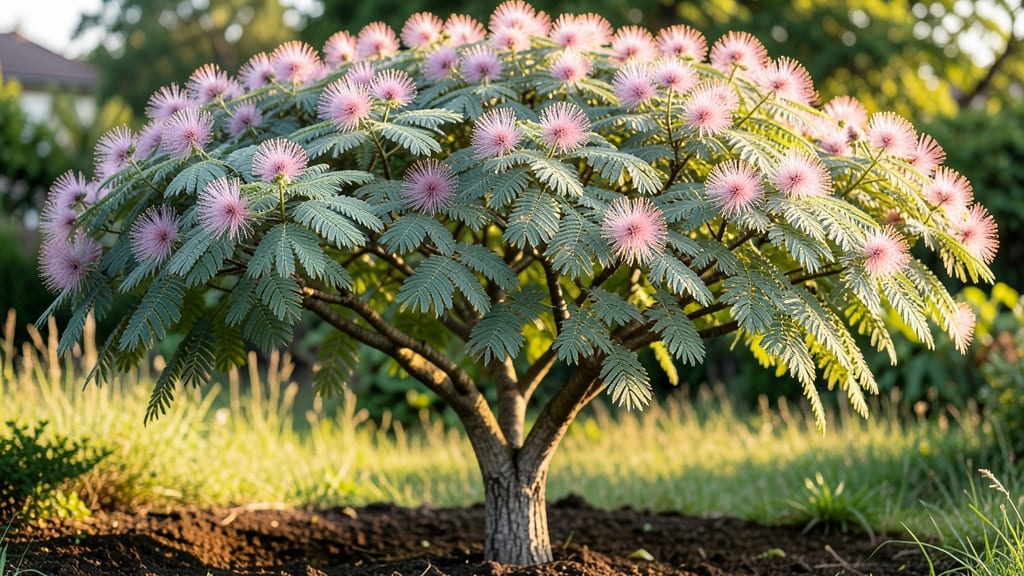
The mimosa tree bloom time is one of nature’s most anticipated spring spectacles—those fluffy pink clouds of flowers appear with almost magical timing, but only if you know what to expect.
Picture this: your 🌳 mimosa tree has sat dormant all winter, and suddenly, in a matter of days, it transforms into a cloud of delicate blooms.
But here’s the catch—whether your tree flowers in April or June depends on where you live, how much sunlight it gets, and even how you’ve pruned it.
In USDA Zone 6, for example, blooms typically arrive in late spring, while in warmer zones like 9b, they might stretch into early summer.
If you’ve ever wondered why your mimosa tree seems to bloom later (or not at all), the answer likely lies in its care routine. Too much shade? A winter without proper chilling? Or maybe over-pruning cut back the flowers before they even had a chance?
The good news is that with a few simple adjustments—like fertilizing at the right time or ensuring full sun exposure—you can help your tree hit its peak bloom window every year.
In this guide, I’ll break down exactly when to expect those iconic pink puffs in your climate zone, how to encourage earlier or later blooms, and what to watch for to keep your mimosa tree flowering beautifully for years to come.
Mimosa tree bloom time by USDA hardiness zones: when to expect flowers
If you’ve ever waited eagerly for your mimosa tree to burst into its signature pink fuzzy blooms, you know timing is everything. These trees thrive in USDA zones 7-10, but their bloom windows shift dramatically depending on where you live.
In warmer southern climates, mimosas often flower as early as late February, while northern gardeners may not see blooms until May or June. The key? Winter chilling hours—most mimosas need 300-600 hours below 45°F to trigger spring blooms.
Mimosa trees are deciduous and typically bloom in late spring to early summer, but regional variations mean your neighbor’s tree might flower weeks before yours.
For example, Georgia gardeners (zone 8) often see blooms by March 15, while Texas gardeners (zone 9) might spot them as early as February 1. Meanwhile, in zone 7 (like Virginia or Tennessee), blooms usually arrive in late April to May after sufficient winter chill.
The summary-table below breaks down mimosa bloom times by zone, including early and late bloomers. Use this as your guide to plan pruning, fertilizing, and even landscape photography shoots! Remember, young trees may take 2-3 years to bloom, so patience is key.
| USDA Zone | Typical Bloom Window | Early Bloomers | Late Bloomers | Chill Requirement |
|---|---|---|---|---|
| Zone 7 (e.g., Virginia, Tennessee) | Late April–May | Early April (mild winters) | Early June (cold springs) | 400–600 hours |
| Zone 8 (e.g., Georgia, North Carolina) | March 15–April 15 | Late February (sheltered areas) | Late May (chilly springs) | 300–500 hours |
| Zone 9 (e.g., Texas, Florida) | February 1–March 15 | January (coastal areas) | Early April (inland) | 200–400 hours |
| Zone 10 (e.g., Southern California, Arizona) | December–February | November (mild winters) | March (high desert) | 100–300 hours |
In zone 7, where winters are colder, mimosas often bloom later in spring because they need more chilling hours to break dormancy. If you’re in Tennessee or Virginia, expect blooms between late April and May, but watch for early bloomers in sheltered microclimates.
For example, a mimosa planted near a south-facing wall might flower 2-3 weeks earlier than one in an open yard.
Southern gardeners in zones 9-10 enjoy the longest bloom windows, often starting as early as December in California’s coastal regions. However, inland desert areas (like Arizona or Southern Nevada) may see delayed blooms until February or March due to hotter, drier winters.
If your mimosa isn’t blooming by mid-February in zone 9, it might need additional winter chill—consider a lightweight frost cloth during cold snaps.
Did you know mimosas can also produce a second flush of blooms in late summer or fall? This happens most commonly in warmer zones (8-10), especially if the tree receives consistent water and sunlight.
In zone 8, like Georgia or North Carolina, a second bloom might appear in September or October, adding a bonus display before winter. To encourage this, avoid heavy pruning after the first bloom and keep the soil lightly moist.
How to adjust care for earlier or later mimosa tree blooms
Want to coax your mimosa tree into blooming earlier or delay its flowers for a longer display? The secret lies in adjusting care habits based on your climate zone and seasonal needs.
Mimosa trees thrive with precise timing for pruning, watering, and fertilizing, all of which directly influence when those iconic pink puffball blooms appear. Let’s break down how to fine-tune your approach for the perfect bloom window.
First, understand that mimosa trees typically bloom in late spring or early summer, but their exact timing depends on winter chilling hours and spring warmth.
If your tree blooms too early (like February in warm zones) or too late (July in cooler areas), it’s often a sign of improper care.
By tweaking just a few key factors—like pruning timing or fertilizer application—you can shift bloom time by 2-4 weeks for a more predictable and stunning display.
- 🌱 Prune in late winter (just before buds swell) to encourage earlier blooms. Avoid heavy pruning after blooming if you want delayed flowers.
- ☀️ Maximize sunlight in early spring (6+ hours daily) to speed up bloom time. Partial shade can delay flowering by 3-4 weeks.
- 💧 Deep-water weekly in spring to boost root growth, which triggers earlier blooms. Reduce watering in late summer to delay flowers.
- ✂️ Remove spent blooms immediately to redirect energy to new growth, extending the bloom season by up to 2 weeks.
- 🌿 Fertilize in early spring with a balanced 5-10-10 formula to jumpstart blooming. Skip fall fertilization to avoid late-season growth.
For earlier blooms, start by pruning in late winter (February-March) to remove dead wood and shape the tree. This stimulates new growth, which often flowers sooner. Pair this with consistent morning watering—aim for 1-2 gallons per week—to keep roots active.
In Zone 7-9, mimosa trees naturally bloom in April-May, but with these adjustments, you can push blooms to March or even late February in warmer microclimates.
To delay blooms, shift your care routine to late spring or early summer. Prune lightly after the initial bloom to encourage a second flush of flowers, and reduce watering in June-July to slow growth.
Avoid fertilizing after June 1st, as new growth won’t harden off before winter, pushing blooms later. In Zone 8-10, this can extend the bloom season into June or July, perfect for summer-long color.
Don’t overlook the power of seasonal checklists. Create a simple schedule: March-April (prune, fertilize, water deeply), May-June (monitor blooms, prune lightly), and July-August (reduce water, avoid fertilizing). Stick to this, and you’ll train your mimosa tree to bloom on your timeline—whether you’re craving spring color or summer flair.
Pro tip: If your mimosa tree isn’t blooming at all, check for over-pruning or poor sunlight. Mimosa trees need full sun and minimal stress to flower reliably. With these adjustments, you’ll enjoy those pink puffballs exactly when you want them—year after year! 🌸