
Container Gardens
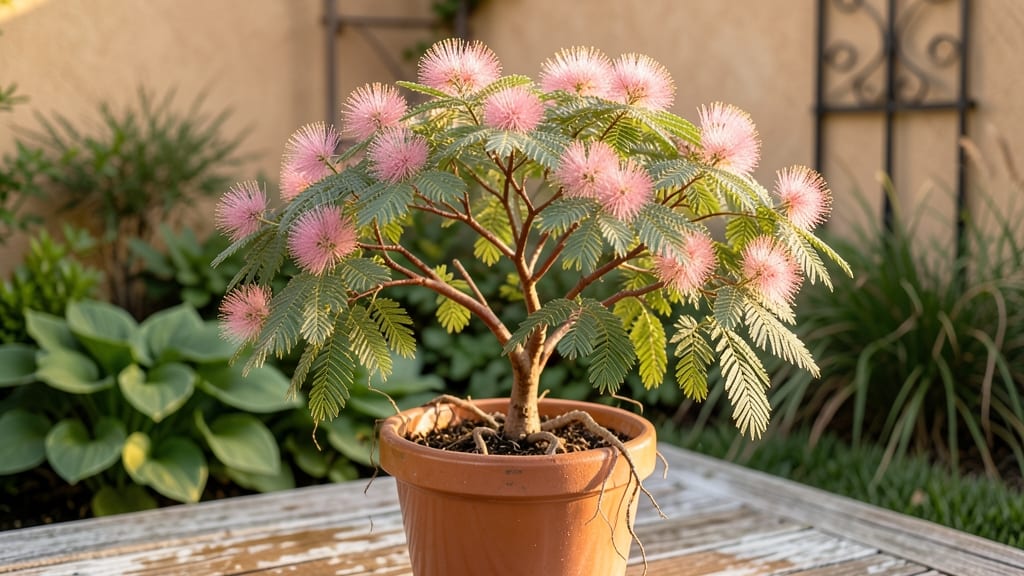
Growing a mimosa tree in a container unlocks its delicate pink blooms even on balconies or patios. 🌸 I’ve nurtured mine for three years now—its feathery foliage and cascading flowers make it the star of my small outdoor space, and the dwarf varieties stay manageable without sacrificing beauty.
The secret lies in the right container: at least 18 inches deep with drainage holes, paired with fast-draining soil. Mimosa roots hate soggy feet, so a mix of potting soil, perlite, and compost keeps them happy.
Place it where it gets 6+ hours of sunlight daily, and you’ll see those signature pom-pom flowers appear by early summer. Pruning after blooming keeps the shape tidy and encourages next year’s flowers.
I snip back about one-third of the leggy growth, and my tree rewards me with denser foliage by fall. Even indoors during winter, it thrives near a sunny window with occasional misting to combat dry air.
For year-round success, move it indoors before frost, but watch for spider mites—neem oil spray works wonders. Patience is key; these trees grow slowly but age gracefully, becoming more stunning with each passing season.
📚 In This Guide
- What you need
- Instructions
- Tips and common mistakes
- Wrapping up and next steps
What you need
- ● Container: A 5-gallon or larger pot with drainage holes (minimum 18-inch diameter for dwarf varieties like Albizia julibrissin ‘Pink Cascade’). Opt for lightweight materials like fiberglass or plastic for easy mobility.
- ● Well-draining potting mix: 1 part cactus/succulent mix + 1 part perlite + 1 part compost (avoid heavy garden soil—it retains too much moisture!).
- ● Dwarf mimosa tree: Purchase a 1-2 gallon container-grown plant (ensure it’s labeled as a dwarf variety to control size).
- ● Slow-release fertilizer: A balanced 10-10-10 or 20-20-20 formula (follow package instructions for dosage).
- ○ Mulch (optional but recommended): 1-2 inches of orchid bark or pine fines to retain moisture and regulate temperature.
- ● Trowel or small shovel
- ● Gloves (to protect from thorns!)
- ● Watering can with a rose attachment (for gentle watering)
- ● Pruning shears (sterilized with rubbing alcohol)
- ○ pH testing kit (optional, to check soil acidity—ideal range: 6.0-7.5)
- ● Sunlight: A spot with 6+ hours of full sun daily (partial shade in extreme heat).
- ● Temperature: Mimosa trees thrive in USDA Zones 7-10; protect from frost (below 20°F can damage leaves).
- ● Water access: Nearby hose or water source for regular hydration.
- ● Patience: Mimosa trees grow 1-2 feet per year—dwarf varieties stay manageable but still need time to establish!
Step-by-step instructions for growing a mimosa tree in a container
Here's how to keep your dwarf mimosa thriving in pots for years of delicate blooms and feathery foliage.
🪴 Step 1: Choose the Right Container and Soil Mix
Select a container with drainage holes that's at least 12-18 inches deep—mimosa trees need room for their roots to spread. I use terracotta pots because they breathe better than plastic, which helps prevent root rot. The soil mix should be lightweight and well-draining: combine equal parts potting soil, perlite, and sand to create a loose, airy medium. Avoid garden soil—it compacts too easily and holds too much moisture.
Fill the pot about one-third full with your mix, then tap the sides gently to settle it. Mimosa roots are sensitive to waterlogged conditions, so this drainage layer is critical. If you're planting multiple trees, space them 6-8 inches apart to allow for growth without crowding.
☀️ Step 2: Plant and Position for Maximum Sunlight
Remove the mimosa from its nursery pot and gently loosen the roots if they're circling. Place it in the center of your container, then fill around the base with more of your soil mix, pressing lightly to eliminate air pockets. Water immediately after planting to help the soil settle and encourage root contact with the mix.
Mimosa trees love full sun—at least 6-8 hours daily. Place your container in a spot that gets morning sun and afternoon shade during the hottest months, especially in warmer climates. You'll notice the leaves start to droop if it's too hot, which is your cue to move it to a slightly shadier spot for a few hours. In cooler climates, full sun all day is perfect.
💧 Step 3: Water and Fertilize for Healthy Growth
Water your mimosa once a week during the growing season (spring and summer), allowing the top 2 inches of soil to dry out between waterings. Overwatering is the biggest mistake—mimosa roots rot quickly in soggy conditions. In winter, reduce watering to every 2-3 weeks, as growth slows dramatically. Always water at the base to avoid wetting the foliage, which can lead to fungal issues.
Feed your tree with a balanced, slow-release fertilizer (10-10-10) in early spring, just as new growth begins. Apply it according to package instructions, usually every 4-6 weeks during the growing season. You'll see a noticeable difference in leaf vibrancy and bloom production within a few weeks. Stop fertilizing in late summer to prepare the tree for dormancy.
✂️ Step 4: Prune and Maintain Year-Round
Prune your mimosa in late winter or early spring before new growth starts. Remove any dead, damaged, or crossing branches with clean, sharp pruners. Cut just above a leaf node to encourage new growth. I also trim back any leggy branches by about one-third to maintain a compact shape. Avoid heavy pruning in fall—it stresses the tree before dormancy.
Check your container for signs of pests like spider mites or aphids, especially on the undersides of leaves. Treat infestations immediately with neem oil or insecticidal soap. Mimosa trees are generally low-maintenance, but a monthly inspection keeps problems from taking hold. In late fall, move the container to a sheltered spot if temperatures drop below 20°F, or wrap the pot in burlap for extra protection.
Tips & tricks for perfect container-grown mimosa trees
Here's what I've learned after keeping mimosa trees in containers for years—these simple tricks make all the difference.
Soil Mix Matters: I've found that adding a handful of coco coir to your soil mix (along with the potting soil, perlite, and sand) improves moisture retention without compacting. This helps maintain the perfect balance between drainage and hydration, especially during those hot summer months when you're watering once a week. The coco coir also adds beneficial microbes that support root health—something the basic mix might miss.
Sunlight Strategy: For the 6-8 hours of sunlight requirement, I position my containers where they get morning sun but have afternoon shade from nearby shrubs. If you notice leaves drooping by midday, that's your tree's way of saying "it's too hot!" Move it to a spot with filtered light for a few hours until the afternoon cools down. In cooler climates, you can keep them in full sun all day, but watch for signs of stress like yellowing leaves.
Watering Wisdom: The key to that once-weekly watering is checking the soil moisture at the top 2 inches—not just the surface. Stick your finger in about an inch deep; if it feels dry, it's time to water. I've ruined mimosa trees by watering on a schedule rather than checking the soil first. Also, always water at the base to keep those delicate leaves dry and prevent fungal issues. A watering can with a narrow spout makes this much easier.
Fertilizer Timing: When you start fertilizing in early spring with that 10-10-10 mix, I recommend applying it right after your first watering of the season. This gives the nutrients time to soak into the soil before the tree starts actively growing. And here's a pro trick: mix the fertilizer with a little water first to create a liquid solution—this helps prevent salt buildup in the soil that can harm roots over time.
Pro Tips for Mimosa Tree In Container
- Here's what I've learned after keeping mimosa trees in containers for years—these simple tricks make all the difference.
- Soil Mix Matters: I've found that adding a handful of coco coir to your soil mix (along with the potting soil, perlit...
- Sunlight Strategy: For the 6-8 hours of sunlight requirement, I position my containers where they get morning sun but...
Frequently asked questions
Got questions about keeping a mimosa tree in a container? You’re not alone! Here are answers to the most common concerns—from pruning to winter care—so you can enjoy your Albizia julibrissin with confidence.
Can a mimosa tree thrive in a container long-term?
A dwarf variety (like Albizia julibrissin ‘Summer Chocolate’) can thrive in containers for years, but success depends on proper sizing and care. Choose a pot at least 18–24 inches deep with drainage holes, and upgrade containers every 2–3 years as roots grow. Pro tip: Use a lightweight, well-draining mix (like 60% potting soil + 30% perlite + 10% compost) to prevent root rot.
How often should I water a potted mimosa tree?
Water when the top 1–2 inches of soil feel dry—typically 2–3 times per week in summer, but reduce to once a week in cooler months. Mimosa trees hate soggy roots, so always check drainage and avoid letting water pool. Troubleshooting: Yellowing leaves? You’re likely overwatering. Brown edges? It’s thirsty!
How do I protect my container mimosa in winter?
Mimosa trees are hardy to USDA Zone 6–9, but potted plants need extra care in cold climates. Move containers to a sheltered spot (like a garage or under eaves) before temps drop below 20°F. Wrap the pot in bubble wrap or frost cloth and mulch the soil with straw or leaves for insulation. Pro tip: Reduce watering in winter—only water when soil is completely dry to prevent rot.
When and how should I prune my container mimosa?
Prune in late winter or early spring (before new growth) to shape the tree and encourage bushiness. Use sterilized shears to trim back 1/3 of the previous year’s growth and remove any dead or crossing branches. Warning: Avoid heavy pruning in summer—it stresses the tree and can reduce those iconic pink pom-pom blooms!
Are there alternatives to mimosa trees for containers?
If mimosas seem high-maintenance, try these low-maintenance container-friendly trees with similar charm:
- Japanese Maple (Acer palmatum) – Compact varieties like ‘Bloodgood’ thrive in pots and offer stunning foliage.
- Dwarf Crepe Myrtle (Lagerstroemia) – Heat-tolerant with vibrant summer blooms (e.g., ‘Natchez’).
- Olive Tree (Olea europaea) – Drought-resistant and evergreen, perfect for sunny spots.
- Dwarf Citrus (e.g., Calamondin) – Adds fragrance and fruit—ideal for warmer climates.
Wrapping up and next steps
Growing a mimosa tree in a container is a rewarding way to bring fragrant beauty and year-round charm to your space—even in small gardens or urban balconies! 🌿 With the right dwarf variety, proper care, and a little patience, you’ll enjoy delicate blooms and lush foliage for seasons to come.
Whether you’re a beginner or a seasoned gardener, this guide has given you all the tools to thrive.
Ready to transform your patio or porch? Start small—pick your container, plant your mimosa, and watch it flourish! Need extra inspiration? Explore container gardening tips or check out seasonal care calendars to keep your tree happy all year.