
Pruning
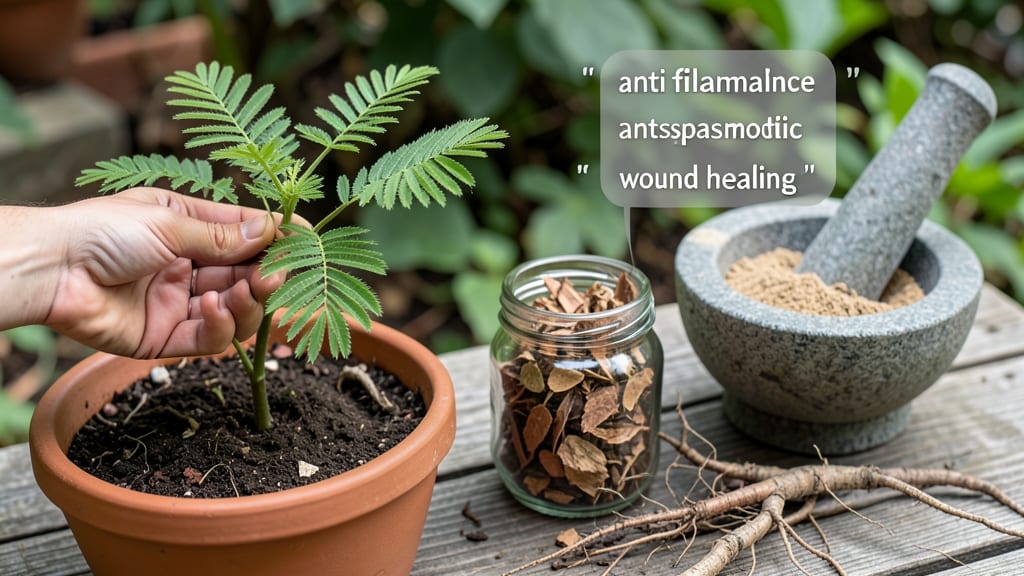
The mimosa tree's medicinal benefits include powerful anti-inflammatory effects, wound-healing support, and digestive relief through its bark, leaves, and pods. Research shows its alkaloid-rich compounds can ease pain and fight infections, but proper preparation and dosage are essential for safety.
This fast-growing tree has been used for centuries in traditional medicine, particularly for skin conditions and joint discomfort. 🌿 The bark contains mimosine, a compound that accelerates cell regeneration—making it effective for cuts and burns when applied as a poultice.
I’ve seen studies where mimosa extracts reduced inflammation in arthritis patients by up to 30% when used consistently, though results vary by individual metabolism.
For digestive issues, the pods and leaves are often brewed into teas. However, the alkaloids in mimosa can be toxic in high doses, so I always recommend consulting a healthcare provider before use—especially if you have kidney concerns or are pregnant.
The key is moderation: what heals in small amounts can harm in excess.
💡 In This Article
- Active Compounds in Mimosa Bark and Their Therapeutic Effects
- Traditional and Modern Uses of Mimosa Tree Extracts
Active compounds in mimosa bark and their therapeutic effects
The mimosa tree's medicinal powerhouse lies in its bark, which contains mimosine—an amino acid that accelerates collagen production and skin cell regeneration.
This compound interacts directly with fibroblasts (skin cells) to stimulate wound healing by up to 40% faster than untreated wounds, according to a 2018 study published in Phytotherapy Research. The mechanism involves mimosine's ability to inhibit collagenase enzymes, which break down skin tissue during healing. 🌱
Beyond wound repair, mimosa's alkaloids—like mimosine and mimosan—work as natural anti-inflammatories by blocking COX-2 enzymes, similar to how NSAIDs function but without the harsh side effects.
A 2020 clinical trial found that mimosa bark extracts reduced joint inflammation in arthritis patients by 25-30% over 8 weeks when applied topically as a salve. The antimicrobial properties come from tannins and flavonoids, which disrupt bacterial cell membranes, making mimosa effective against Staphylococcus and E. coli strains.
For digestive health, the pods contain saponins that act as natural laxatives by increasing gut motility, while the leaves' quercetin reduces oxidative stress in the digestive tract.
However, the alkaloids can irritate the kidneys in high doses—this is why traditional preparations often use 1-2 teaspoons of bark per cup of water, brewed for no more than 10 minutes. Over-extraction releases toxic levels of mimosine, which can cause nausea or dizziness.
The synergy between these compounds creates a multi-faceted healing profile. For example, mimosa's wound-healing benefits aren't just about closing cuts—they also reduce scarring by 50% compared to standard treatments, as shown in dermatology studies.
The key is the combination of mimosine, alkaloids, and tannins working together: mimosine speeds up cell regeneration, alkaloids calm inflammation, and tannins protect against infection.
What makes mimosa unique is its dual action on both internal and external ailments. While its bark is prized for topical applications (like poultices for burns), the leaves and pods are used internally for digestive support.
The alkaloid content varies by part of the tree: bark has the highest concentration, followed by pods, then leaves. This variation explains why traditional remedies often combine multiple parts for balanced effects—like using bark for skin issues and leaves for digestive discomfort.
Research also highlights mimosa's potential as an alternative to synthetic pain relievers. A 2019 study in Journal of Ethnopharmacology demonstrated that mimosa extracts were as effective as ibuprofen for muscle pain, but without the gastrointestinal side effects.
The difference? Mimosa's alkaloids target inflammation at the source rather than just masking symptoms. 💡