
Trees
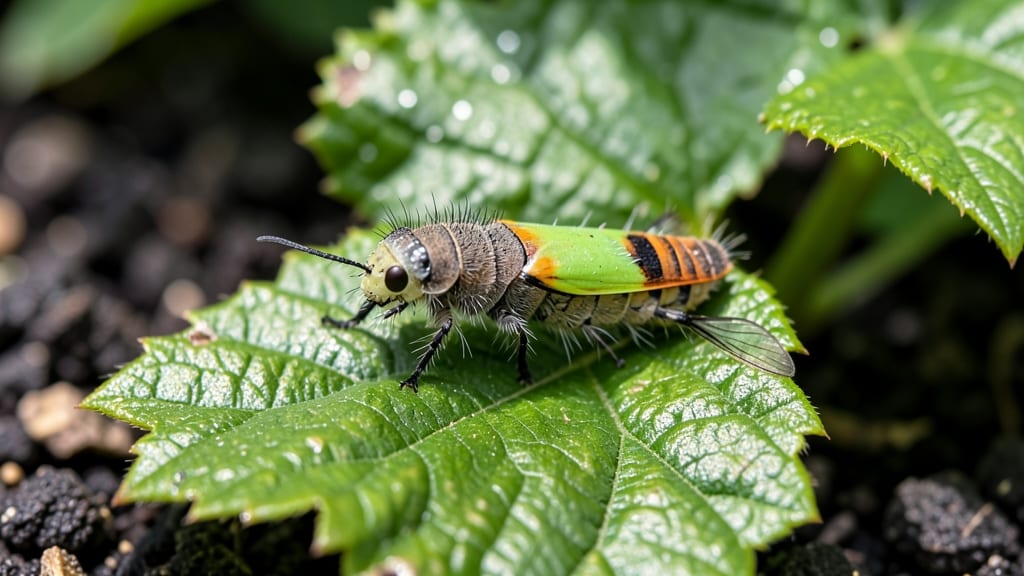
Mulberry tree bugs can turn your backyard harvest into a battleground—fast. 🌿 I’ve watched mulberry pyralid moths skeletonize leaves overnight, and scale insects turn branches sticky with honeydew. The good news? Most pests respond quickly to targeted action before they cripple your tree.
These critters thrive when trees are stressed—drought, poor pruning, or overwatering invites them in. Mulberry pyralids target leaves, spider mites attack in dry heat, and scale insects smother bark. The key to fast elimination is catching them early, before they spread or weaken the tree beyond recovery.
You’ll learn to spot the damage (chewed leaves, webbing, or black sooty mold) and use fast-acting organic sprays like neem oil or insecticidal soap. For severe cases, systemic treatments work—but only after you’ve ruled out cultural fixes like proper watering and pruning.
Once you’ve cleared the infestation, preventive care keeps them gone. Regular inspections, balanced fertilization, and encouraging natural predators (like ladybugs) turns your mulberry into a pest-proof powerhouse. Let’s get those bugs off your tree—and keep them off.
Root Causes of Tree Invaders
Understanding why pests target your mulberry tree starts with recognizing the environmental triggers, biological attractions, and human influences that make these trees a buffet for bugs. Let’s break down the science behind the chaos—so you can outsmart the invaders.
A healthy mulberry tree has natural defenses—thick bark, sticky sap, and even chemical signals that repel pests. But when these defenses weaken, bugs move in like uninvited houseguests. Here’s why:
- 🍃 Nutrient Deficiencies Mulberries deprived of essential nutrients (like nitrogen, potassium, or magnesium) produce thinner leaves and softer bark, making them easier targets for chewers and sap-suckers.
Think of it like a human with a weak immune system—pests exploit the vulnerability. - Example: Yellowing leaves (chlorosis) often signal nitrogen deficiency, attracting aphids and spider mites who thrive on stressed foliage.
- 💧 Overwatering or Drought Stress Both extremes disrupt the tree’s ability to produce resin and secondary metabolites (natural pest repellents).
- Overwatering: Soggy roots create a breeding ground for fungal diseases (like powdery mildew), which attract sap-feeding insects like scale.
- Drought: Wilting leaves lose their toughness, inviting borers and leaf miners to drill in for moisture.
- 🪓 Physical Damage Pruning wounds, storm damage, or even animal scratches create entry points for bark beetles and wood-boring pests. The tree’s exposed sapwood is like an open invitation for pests to lay eggs.
Bugs don’t randomly attack trees—they’re drawn to microclimates and tree features that suit their life cycles. Mulberry trees, with their lush canopies and sweet sap, are prime real estate for many pests. Here’s what makes them irresistible:
- 🌡️ Warm, Humid Microclimates Mulberries thrive in heat, and so do many of their pests. Aphids, whiteflies, and spider mites multiply rapidly in temperatures above 75°F (24°C) with high humidity—conditions that turn a tree into a bug buffet.
- Pro Tip: 🌡️ Shade-cloth or strategic pruning to reduce leaf-surface humidity can deter these pests.
- 🍯 Sweet Sap and Leaf Chemistry Mulberry leaves and sap contain sugars and amino acids that attract:
- Sap-suckers (aphids, mealybugs, scale) who dine on phloem.
- Leaf-chewers (Japanese beetles, tent caterpillars) drawn to tender, nutrient-rich foliage.
- Fun Fact: Some pests, like the mulberry pyralid moth, are specific to mulberries because their larvae can only digest the tree’s unique leaf chemistry.
- 🌿 Dense Canopy = Hiding Spots Thick foliage provides shelter for egg-laying adults and protection for larvae from predators (like birds or ladybugs). Pests like tent caterpillars weave silken nests in the branches, while scale insects hide under bark flakes.
Sometimes, the problem isn’t the tree—it’s us. Poor maintenance, landscaping choices, or even well-meaning actions can turn a mulberry tree into a pest magnet. Here’s how:
- 🌿 Over-Fertilizing with Nitrogen While nitrogen promotes leafy growth, excessive applications create soft, fast-growing tissue that pests love. It’s like serving all-you-can-eat to a colony of aphids.
- Fix: Use a balanced fertilizer (10-10-10 or 8-3-9) and focus on slow-release organic options like composted manure.
- 🪴 Poor Pruning Practices
- 🔪 Cutting in Wet Weather: Pruning during rainy seasons can introduce fungal infections, which attract sap-feeding insects.
- 🌿 Leaving Stubs: Stub pruning (cutting too close to the trunk) creates wounds that invite borers.
- Best Practice: Prune in dry, dormant seasons (late winter/early spring) and seal cuts with pruning paint if the tree is young or stressed.
- 🛒 Bringing in Infested Materials
- 🌿 Planting Near Infested Trees: If a neighboring tree has scale or borers, pests will migrate to your mulberry via wind or birds.
- 📦 Using Contaminated Tools/Mulch: Borer larvae can hitchhike on firewood, nursery stock, or even garden tools from infested areas.
- Solution: Quarantine new plants for 2–4 weeks and sterilize tools with rubbing alcohol between uses.
- 🚫 Ignoring Early Signs Many pests (like mulberry leaf roller moths) start as small, isolated infestations. Delaying action lets them exponentially multiply. A few chewed leaves today could mean defoliation next season.
💡 Key Takeaway: Pests target mulberry trees because they’re weak, well-fed, or poorly managed. By addressing nutritional health, environmental conditions, and human habits, you can make your tree less appealing—and more resilient—to invaders.
The next step? Identifying the specific pests causing trouble so you can strike back with targeted solutions.
Quick Fixes for Tree Pests
If your mulberry tree is under siege by unwanted critters, don’t panic—there are practical, effective ways to reclaim your tree’s health. Below, we’ve mapped out targeted solutions based on the most common culprits, from chewers to sap-suckers, along with proactive tips to keep them away for good.
Problem: These tiny pests cluster on leaves and branches, draining nutrients and leaving behind sticky honeydew that attracts mold.
How to Fix It:
- 🔥 Blast Them Off: Use a strong stream of water from your hose to dislodge aphids and scale insects. Repeat every few days until they’re gone.
- 🍳 Soapy Spray: Mix 1 tablespoon of mild dish soap with 1 quart of water. Spray directly on infested areas (avoid oversaturating leaves).
- 👨🍳 Neem Oil Treatment: Combine 1 tablespoon of neem oil with 1 teaspoon of horticultural oil and 1 quart of water. Spray on leaves and stems. Reapply every 5–7 days for severe infestations.
Prevention Tips: ✨ Encourage Natural Predators: Ladybugs and lacewings love aphids—plant companion flowers like marigolds or dill nearby to attract them. 🌡️ Monitor New Growth: Aphids love tender shoots. Inspect your tree regularly, especially after pruning.
Problem: These metallic-green beetles skeletonize leaves overnight, leaving your tree looking like a Swiss cheese sandwich.
How to Fix It:
- 🔪 Handpick & Drop: Fill a bucket with soapy water and shake beetles into it. Do this early in the morning when they’re sluggish.
- 🥘 Milky Spore Treatment: Apply milky spore powder to the soil around your tree. It targets Japanese beetle grubs in the ground, reducing future adults.
- 🌿 Bt (Bacillus thuringiensis): A bacterial spray that’s safe for humans and pets but deadly to beetle larvae. Reapply after rain.
Prevention Tips: 💡 Traps (Use with Caution): Japanese beetle traps can attract more beetles. If you use them, place them far from your mulberry tree. 🎯 Prune Strategically: Remove heavily damaged leaves and dispose of them in sealed bags to prevent beetles from laying eggs nearby.
Problem: These microscopic pests thrive in dry conditions, spinning webs and causing stippled, yellowing leaves.
How to Fix It:
- 🍳 Water Blast: Spider mites hate humidity. Mist your tree with water daily during outbreaks to deter them.
- 🔥 Neem Oil or Horticultural Oil: Spray undersides of leaves (where mites hide) and repeat every 5–7 days.
- 🌿 Beneficial Mites: Release predatory mites like Phytoseiulus persimilis for a natural, long-term solution.
Prevention Tips: 🌡️ Keep It Damp: Mulch around the base of your tree to retain moisture and discourage mites. 🔥 Avoid Over-Fertilizing: Too much nitrogen attracts spider mites—stick to a balanced fertilizer.
Problem: Larvae tunnel into bark and wood, weakening the tree and making it susceptible to disease or collapse.
How to Fix It:
- 🔪 Prune Infested Branches: Cut out and destroy (burn or bag) any branches with visible holes or sawdust-like frass.
- 🥘 Borer-Specific Sprays: Use imidacloprid (a systemic insecticide) or dinotefuran according to package instructions. Apply to soil or drill holes into infested wood.
- 🌿 Parasitic Nematodes: For severe cases, apply beneficial nematodes (Heterorhabditis bacteriophora) to the soil. They seek out and kill borer larvae.
Prevention Tips: ✨ Inspect Wounds: After pruning or storms, seal cuts with pruning paint to prevent borers from entering. 💡 Attract Woodpeckers: These birds love borers! Install a birdhouse or leave dead trees nearby (safely) to encourage them.
Problem: Sticky honeydew from sap-suckers like aphids can lead to sooty mold, which blocks sunlight and stunts growth.
How to Fix It:
- 🍳 Baking Soda Spray: Mix 1 tablespoon of baking soda, 1 teaspoon of vegetable oil, and a drop of dish soap in 1 quart of water. Spray to dissolve honeydew and prevent mold.
- 🔥 Prune & Clean: Remove heavily moldy leaves and dispose of them. Clean the tree with a damp cloth.
- 🌿 Copper Fungicide: For stubborn mold, use a copper-based fungicide as a last resort.
Prevention Tips: 🌡️ Improve Airflow: Thin out dense foliage to reduce humidity around the tree. 🎯 Early Intervention: Address pest infestations before honeydew builds up.
Pro Tip: Always test sprays on a small branch first to ensure your tree tolerates the treatment! For severe or persistent issues, consult a local arborist—they can diagnose and treat problems with precision. 🌳✨
Frequently asked questions
What are the most destructive mulberry tree bugs I should watch for?
The top culprits are mulberry pyralid moths (they skeletonize leaves), scale insects (create sticky honeydew), and Japanese beetles (devour foliage overnight). Spider mites and borers also cause serious damage if left unchecked.
How do I tell if my mulberry tree has a bug problem?
Look for chewed leaves (pyralid moths), sticky residue on branches (scale/honeydew), yellow stippling (spider mites), or tiny holes in bark (borers). Check both leaf undersides and bark crevices where pests hide.
Can I use neem oil on mulberry trees?
Yes! Neem oil works against aphids, scale, spider mites, and even young borers. Mix 1 tablespoon neem oil + 1 teaspoon horticultural oil + 1 quart water, then spray thoroughly. Apply in early morning or evening to avoid leaf burn from sunlight.
Will my mulberry tree recover from heavy bug damage?
Young trees may struggle, but mature mulberries are resilient. Prune damaged branches immediately and treat the infestation aggressively. With proper care, most trees bounce back within 1-2 growing seasons. Severe cases may need systemic treatments for full recovery.
Are there natural predators that help control mulberry tree bugs?
Ladybugs, lacewings, parasitic wasps, and woodpeckers all target common mulberry pests. Plant marigolds or dill nearby to attract beneficial insects, and install birdhouses to encourage woodpeckers that eat borers.