
Trees
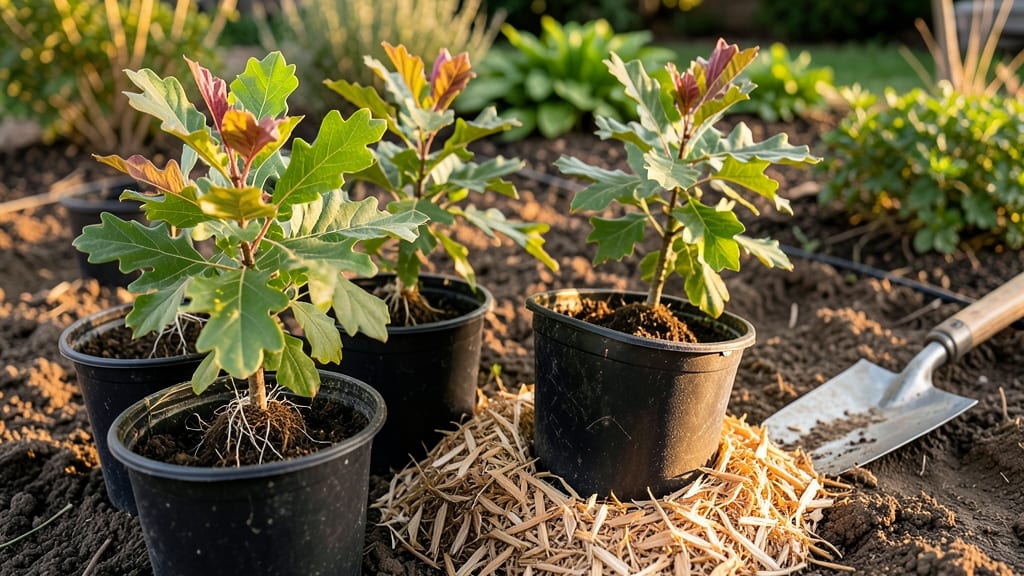
Growing oak tree starts from acorns takes patience—but this cold stratification trick cuts germination time from 6 months to just 4-6 weeks. I tried it last fall with a handful of white oak acorns, and within weeks, tiny roots peeked through the damp sand.
The secret isn’t magic; it’s mimicking nature’s winter chill period that breaks dormancy.
You’ll need acorns from mature trees (preferably fresh), a plastic bag with damp sand, and a fridge for 60-90 days. White oaks germinate faster than red oaks, but both respond well. Plant them in well-draining soil after stratification, and keep the area moist but not soggy—oaks hate wet feet.
Sunlight is critical; these young trees need 6+ hours of direct light daily to thrive.
By spring, you’ll see sprout growth, though early care is delicate. Oak seedlings are slow starters but grow into sturdy, long-lived giants with proper attention. The first few years are about patience: consistent watering, mulching to retain moisture, and protecting them from deer or rabbits.
A single acorn can become a 100-foot shade tree with the right start.
This method works for both white and red oak varieties, though white oaks establish slightly faster. If you’re in a colder climate, start stratification in late fall; warmer areas can begin in early winter. The payoff? A future backyard full of majestic oaks—grown from seeds you collected yourself.
📚 In This Guide
- What you need
- Instructions
- Tips and common mistakes
- Wrapping up and next steps
What you need
- ● Fresh oak acorns (collected from mature, healthy trees—avoid acorns with holes or mold): Quantity: 10–20 acorns (for better success rates)
- ● Specs: Large, plump acorns (at least 1 inch long) with intact caps
- ● Cold stratification supplies: Moist peat moss or coconut coir (sterilized, not compost)
- ● Sealed plastic bag or container (with small air holes)
- ● Refrigerator (set to 34–40°F for 60–90 days)
- ● Germination setup: Small pots or seed trays (3–4 inches deep, with drainage holes)
- ● Well-draining potting mix (50% peat/coco coir, 50% perlite/sand)
- ● Spray bottle (for gentle watering)
- ● Growth tools: Humidity dome or plastic wrap (to retain moisture)
- ● Grow lights or sunny windowsill (12+ hours of light daily)
- ○ Thermometer/hygrometer (optional but helpful for monitoring conditions)
- ● Acorn cap removal tool (tweezers or knife for easier handling)
- ● Fungicide (like hydrogen peroxide solution—1 part H₂O₂ to 10 parts water) to prevent mold
- ● Labeling tags (to track planting dates and species)
- ● Heat mat (for faster germination if your space is cool)
Instructions for germinating oak tree starts using cold stratification
Here's the method I use to break dormancy and get acorns sprouting within weeks instead of months.
Collect and Prepare Acorns for Stratification
Gather fresh acorns from mature oak trees in late fall or early winter when they've fallen naturally. Avoid acorns with holes or cracks—these are likely infested with weevils. Rinse them thoroughly in warm water to remove any remaining debris or fungal spores. I place them in a single layer on a paper towel to dry completely before stratification begins.
Oak acorns have extremely hard shells that block water absorption. To soften them, I use a hammer and gently tap each acorn on a hard surface until the shell shows slight cracks but doesn't break completely. This process mimics natural winter weathering and dramatically improves germination rates. Handle them carefully—over-cracking exposes the embryo to drying.
Create the Cold Stratification Environment
Fill a plastic storage container with a mix of equal parts moistened peat moss and coarse sand—this mimics the natural forest floor conditions oak seedlings experience. Place the prepared acorns in a single layer on top of the mix, spacing them about 2 inches apart to allow room for root development. Cover them with an additional 1 inch of the same mix, pressing lightly to ensure good contact.
Seal the container with an airtight lid or plastic wrap, then place it in a refrigerator set to 35-40°F. This temperature range mimics winter conditions and breaks the acorn's dormancy. Check the mix every 2-3 weeks—it should remain lightly moist but not soggy. If it dries out, mist it gently with water and reseal immediately. Stratification typically requires 6-12 weeks depending on the oak species.
Monitor for Germination and Prepare for Planting
After 8-10 weeks, begin checking for germination by gently lifting the container lid. You'll see tiny white roots emerging first—this is your signal that stratification is working. Once roots reach about 1 inch in length, transfer the acorns to small 4-inch pots filled with a sterile seed-starting mix. I use a mix of 50% peat moss, 30% perlite, and 20% compost for optimal drainage and nutrient balance.
Plant each acorn 1 inch deep with the root pointing downward. Water lightly until the soil surface feels damp but not wet. Place the pots in a bright, indirect light location—direct sunlight will overheat the small seedlings. Maintain soil moisture by watering when the top inch feels dry to the touch, but avoid waterlogging, which can cause root rot. Germination typically occurs within 2-4 weeks after planting.
Care for New Oak Seedlings
Once the seedlings emerge, move them to a south-facing window or under grow lights to provide 12-14 hours of light daily. Oak seedlings grow slowly, so patience is key. Fertilize lightly with a balanced, water-soluble fertilizer diluted to half strength every 4-6 weeks during the growing season. I use a 10-10-10 formula to ensure steady, balanced growth without burning the tender roots.
When seedlings reach 4-6 inches tall and have developed 3-4 sets of true leaves, they're ready for their first transplant. Gradually acclimate them to outdoor conditions over 1-2 weeks by placing them outside in a sheltered spot during the day and bringing them back indoors at night. This process, called hardening off, strengthens the seedlings and prepares them for permanent planting in the garden.
Tips & tricks for perfect oak tree starts germination
These practical insights will help you maximize your oak tree starts' success rate while avoiding common pitfalls that even experienced gardeners encounter.
Acorn Selection Matters: When collecting acorns, prioritize those that are plump and heavy for their size—these typically have higher viability. I've found that acorns from white oak trees often germinate more reliably than those from red oaks. Store any unused acorns in a cool, dry place until you're ready to begin stratification, but don't let them dry out completely between uses. The slight moisture retention helps maintain viability.
Stratification Temperature Consistency: Maintaining that 35-40°F range is critical for breaking dormancy, but refrigerator temperatures can vary. I recommend placing a thermometer inside your container to monitor conditions—some fridges have hot or cold spots. If your fridge runs cooler, you might need to extend the stratification period slightly beyond the 6-12 weeks window. The goal is consistent cold exposure that mimics winter's natural conditions.
Moisture Management is Key: The peat moss and sand mix should feel like a damp sponge when squeezed—not dripping wet, but not bone dry either. I've learned this the hard way: overwatering can cause fungal growth, while underwatering prevents proper moisture uptake. Use a spray bottle for gentle misting between checks, and always reseal the container immediately after adjusting moisture levels to maintain humidity.
Germination Timing Insight: While the 8-10 week mark is when you should start checking for roots, some acorns may germinate as early as 6 weeks into stratification, particularly if they're from fast-growing oak species. Don't be discouraged if you don't see immediate results—patience is crucial. The 2-4 weeks window for post-stratification germination is also flexible; some acorns may take the full 4 weeks while others appear within 10 days of planting.
Pro Tips for Oak Tree Starts
- These practical insights will help you maximize your oak tree starts' success rate while avoiding common pitfalls tha...
- Acorn Selection Matters: When collecting acorns, prioritize those that are plump and heavy for their size—these typic...
- Stratification Temperature Consistency: Maintaining that 35-40°F range is critical for breaking dormancy, but refrige...
Frequently asked questions
Got questions about kickstarting your oak tree from scratch? Here are the answers to the most common queries—so you can grow with confidence!
How long does cold stratification take for oak tree starts?
Cold stratification for oak seeds typically requires 60–90 days in the fridge (or outdoors in a cold, moist environment). White oaks often need longer (up to 120 days), while red oaks may germinate faster. Patience is key—don’t rush it! Check moisture weekly to keep seeds damp but not soggy.
Can I skip cold stratification for oak tree starts?
While possible, skipping stratification drastically reduces germination rates—often dropping from 80% to under 20%. Oaks have thick seed coats that need the cold-moisture cycle to break dormancy. If you’re impatient, try scarification (lightly sanding the seed coat) as a backup, but combine it with a short cold period for best results.
What’s the best way to plant stratified oak seeds?
After stratification, plant seeds ½-inch deep in well-draining soil (a mix of potting soil and perlite works well). Use small pots or seed trays with drainage holes. Keep them in partial shade (60–70% light) and maintain 60–70°F soil temps. Germination can take weeks to months—stay consistent with moisture!
Why aren’t my oak seeds germinating after stratification?
Several factors might be at play: overly dry soil, poor seed viability (oaks can be finicky!), or temperature fluctuations. Try these fixes:
- Soak seeds in lukewarm water for 24 hours before planting.
- Check seed freshness—older seeds (<2 years) germinate poorly.
- Move pots to a consistent warm spot (like a greenhouse or sunny windowsill).
How do I know if my oak start is healthy enough to transplant?
Wait until your seedling has 2–3 sets of true leaves and is at least 6–12 inches tall before transplanting. Healthy starts should have sturdy stems (not leggy) and no yellowing leaves. Harden off seedlings by gradually exposing them to outdoor conditions over 1–2 weeks before moving to their permanent spot.
Wrapping up and next steps
Starting an oak tree from scratch is a rewarding journey—one that blends patience with the magic of nature’s timing! 🌱 By mastering the cold stratification trick, you’ve unlocked the secret to faster germination, setting your little acorn on the path to becoming a mighty oak.
Whether you’re a gardening newbie or a seasoned green thumb, every step you’ve taken brings you closer to nurturing a legacy in your backyard.
Ready to watch your hard work bloom? Plant those stratified acorns this fall and give them the love they deserve. Before you know it, you’ll be celebrating the first green shoots of your future forest—one tiny oak at a time! 🌳✨