
Pruning
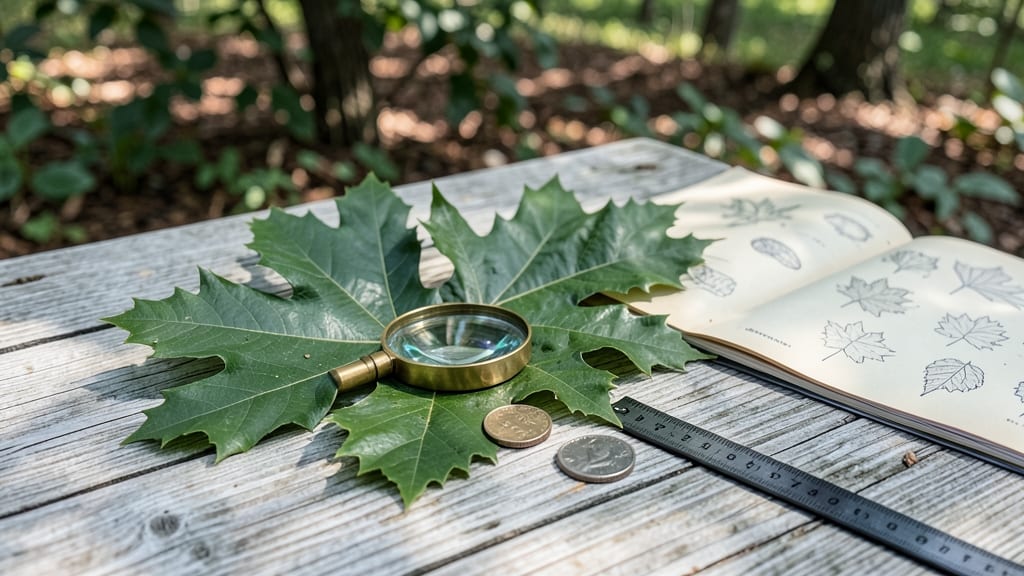
Mastering Oklahoma tree leaf identification is the first step to understanding your landscape. 🌳 I’ve spent years studying the subtle differences between hickory, oak, and walnut leaves—features that make all the difference when pruning or managing pests.
The key is looking beyond just shape: leaf edges, vein patterns, and even the way they attach to the branch. A lobed leaf isn’t always oak, and a serrated edge doesn’t always mean maple.
Seasonal changes can also throw you off—spring leaves look nothing like fall’s. Once you master these details, you’ll prune with confidence, spot early signs of disease, and even predict which trees will thrive in your yard. The right identification turns guesswork into a clear plan for your trees’ health.
This field guide covers the most common species, with tips to tell them apart even when they look similar. Let’s get started!
📚 In This Guide
- What you need
- Instructions
- Tips and common mistakes
- Wrapping up and next steps
What you need
- ● Field Notebook or Journal – A small, waterproof notebook (or digital app like iNaturalist) to record observations.
- ● Pencil or Pen – For sketching leaf shapes, textures, and notes (graphite pencils resist smudging from moisture).
- ● Magnifying Glass (10x) – Reveals vein patterns, hair-like structures, and tiny details (e.g., stipules or glands).
- ● Ruler or Measuring Tape – Measure leaf length/width (inches or centimeters) for precise comparisons.
- ● Clear Plastic Bags or Pressing Sheets – Collect 3–5 leaves per sample (avoid crushing them!). Pressing sheets require a heavy book for 2–4 weeks.
- ● Camera or Smartphone – Capture close-ups of leaf undersides, bark, and buds (natural light > flash!).
- ● Field Guide or Oklahoma Tree ID App – Oklahoma Trees: A Field Guide (by Stan Tekiela) or LeafSnap app for instant matching.
- ○ Gloves (Optional) – Protect hands from thorns (e.g., Hackberry) or sap (e.g., Poison Ivy—never touch without ID confirmation!).
- ● Hand Lens with Light – For low-light conditions (e.g., Shagbark Hickory twigs).
- ● Leaf Press Kit – If you want to preserve specimens long-term (includes blotters and a press frame).
- ● GPS Device or Phone App – Note location details (elevation, soil type) for rare species like Oklahoma’s state tree, the Eastern Redbud.
- ● Twine or Zip Ties – Secure leaf samples to a branch for photography without damaging the tree.
- ● Reference Samples – Collect leaves from known trees (e.g., American Elm) to compare against wild finds.
Instructions: how to identify Oklahoma trees using leaf characteristics
Mastering leaf identification turns every walk into a discovery—here’s how I break it down for Oklahoma’s most common trees.
🌿 Step 1: Observe Leaf Arrangement and Attachment
Start by examining how leaves connect to the stem. Most Oklahoma trees fall into two main patterns: alternate (one leaf per node, staggered up the branch) or opposite (pairs of leaves at each node). I always check this first because it narrows down possibilities dramatically. Hold a branch between your thumb and forefinger—if leaves spiral upward, it’s alternate. If they grow directly across from each other, it’s opposite.
Next, note whether leaves attach directly to the stem (sessile) or via a small stalk (petiole). Sessile leaves often belong to trees like hickory or walnut, while petiole-attached leaves appear on oaks and maples. Run your fingers along the stem—if you feel a tiny bump where the leaf meets the branch, that’s your petiole clue.
🌿 Step 2: Examine Leaf Shape and Margin Details
Grab a magnifying glass (or use your phone’s camera) to study the leaf’s shape and edge. Oklahoma trees often have lobed (maples), serrated (oaks), smooth (elm), or toothed (hickory) margins. I like to trace the outline with my finger—lobed leaves feel like a hand with fingers, while serrated edges have sharp, saw-like teeth. Sketch a rough outline in your notes to compare later.
Check the base shape where the leaf meets the stem. Is it heart-shaped, rounded, or asymmetrical? Heart-shaped bases often indicate maples or ashes, while asymmetrical bases (like a lopsided triangle) point to walnut or hickory. Hold the leaf up to sunlight—you’ll see veins more clearly to confirm your guess.
🌿 Step 3: Analyze Leaf Venation and Surface Texture
Flip the leaf over and look at the venation pattern. Most Oklahoma trees have pinnate (feather-like veins branching from a central stem) or palmate (veins radiating from a single point). Pinnate leaves are common in hickories and walnuts, while palmate veins appear in maples and ashes. Trace the veins with your fingernail—pinnate feels like a feather quill, while palmate resembles a hand.
Run your thumb over the leaf’s surface. Is it smooth, hairy, or waxy? Hairy leaves (like those on cottonwood) feel fuzzy, while waxy leaves (common in wax myrtle) have a slight sheen. Smell the leaf—some, like sassafras, have a distinct aroma when crushed. Note any spots, discoloration, or damage, as these can hint at disease or pest activity.
🌿 Step 4: Compare with Oklahoma Field Guides and Apps
Pull out your field guide or open a tree ID app (like LeafSnap or iNaturalist) and input your observations. I always cross-check leaf size, color, and seasonal changes—Oklahoma’s trees vary by region, so location matters. For example, redbud leaves are heart-shaped and bright green in spring, while black cherry leaves turn fiery red in fall. Snap a photo and overlay it with the app’s database to confirm matches.
Look for bud shapes and bark texture near the leaf—these often seal the ID. Buds on oak trees are chubby and pointed, while maple buds are smooth and rounded. If you’re still unsure, collect a small branch (with leaves and buds) and compare it to pressed specimens in a local library or botanical garden.
⏰ Step 5: Verify with Seasonal and Habitat Clues
Consider the time of year—Oklahoma trees leaf out at different times. Redbuds bloom in early spring, while oaks hold onto leaves late into fall. Note the tree’s habitat: is it growing in a wet bottomland (like water oak), a dry upland (like post oak), or near a rocky outcrop (like shagbark hickory)? Habitat clues often reveal the species faster than leaves alone.
Finally, check for fruit, nuts, or seeds if available. Acorns (oak), samaras (maple), or winged seeds (elm) confirm your ID. I keep a small notebook in my pocket—jotting down details like “lobed leaf + samara fruit = silver maple” makes future IDs effortless. If you’re still stuck, post your findings on a local gardening forum or visit the Oklahoma State University Extension’s plant database.
Tips & tricks for mastering Oklahoma tree leaf identification
These practical insights will help you avoid common pitfalls and sharpen your skills for foolproof tree identification.
Visualize the Patterns: When examining leaf arrangement in Step 1, try this trick: hold the branch up to a window and observe the shadow it casts. Alternate leaves create a zigzag shadow pattern, while opposite leaves cast parallel shadows. This visual confirmation makes the difference between hickory (alternate) and ash (opposite) instantly clear.
Leaf Margin Close-Up: For Step 2's margin details, use a simple DIY magnifier by filling a clear plastic bottle with water and cutting the bottom off. This makes it easier to spot fine details like the difference between serrated (sharp teeth) and crenate (rounded teeth) edges—critical for distinguishing between oak and hickory species. The water also helps reveal subtle color variations.
Venation Texture Test: In Step 3, when analyzing venation patterns, run your fingernail along the veins to feel the texture. Pinnate veins should feel like a feather's quill with parallel ridges, while palmate veins resemble the spokes of a bicycle wheel. This tactile confirmation helps when leaves are damaged or partially obscured.
Seasonal Field Notes: For Step 5's seasonal verification, create a simple chart with columns for leaf shape, margin type, and seasonal changes. Include notes about when each tree typically leafs out (early spring for redbud, late spring for oak) and when leaves change color (fall for black cherry). This visual reference becomes your go-to tool for quick identification during any season.
Pro Tips for Oklahoma Tree Leaf Identification
- These practical insights will help you avoid common pitfalls and sharpen your skills for foolproof tree identification.
- Visualize the Patterns: When examining leaf arrangement in Step 1, try this trick: hold the branch up to a window and...
- Leaf Margin Close-Up: For Step 2's margin details, use a simple DIY magnifier by filling a clear plastic bottle with ...
Frequently asked questions
How do I tell the difference between oak and hickory leaves?
Oak leaves typically have rounded lobes with pointed tips (like a bristle-tipped edge), while hickory leaves are more elongated with 7–9 sharp, unevenly spaced lobes. Press leaves between pages of a field guide for a side-by-side comparison—lighting makes a difference!
When is the best time of year to identify tree leaves in Oklahoma?
Late spring (May–June) is ideal—leaves are fully mature but haven’t started browning. Fall is tricky because colors vary by species, and winter leaves may be sparse. Avoid peak summer when heat can distort shapes.
What if my leaf doesn’t match any guide? Should I worry?
Not all trees are common! Start by checking leaf arrangement (alternate vs. opposite), edges (smooth/toothed), and stems. Use a local arborist app or submit photos to Oklahoma State University’s plant database for expert help.
Can I use leaf identification to prune safely?
Yes—but always confirm the tree’s species first. Some, like black walnut, have toxic sap, while others (e.g., osage orange) have thorns. Match leaves to a guide, then research pruning needs (e.g., live oaks need minimal trimming). When in doubt, hire a certified arborist.
What’s the best way to photograph leaves for identification?
Capture 3 angles: top (for lobe shape), underside (venation patterns), and a close-up of the stem attachment. Use natural light and include a coin or ruler for scale. Apps like PictureThis can analyze your photos instantly!
Wrapping up and next steps
Identifying Oklahoma’s diverse tree species by their leaves is a rewarding way to connect with nature—and now, you’ve got the tools to do it with confidence! 🌿 Whether you’re a gardener, student, or simply curious, recognizing leaves opens doors to understanding ecosystems, improving landscapes, or even spotting invasive species early. Next up: grab your field guide or a free app like iNaturalist and head outdoors to test your new skills.
Every leaf you match is a small victory for your botanical knowledge—so get exploring!