
Landscaping
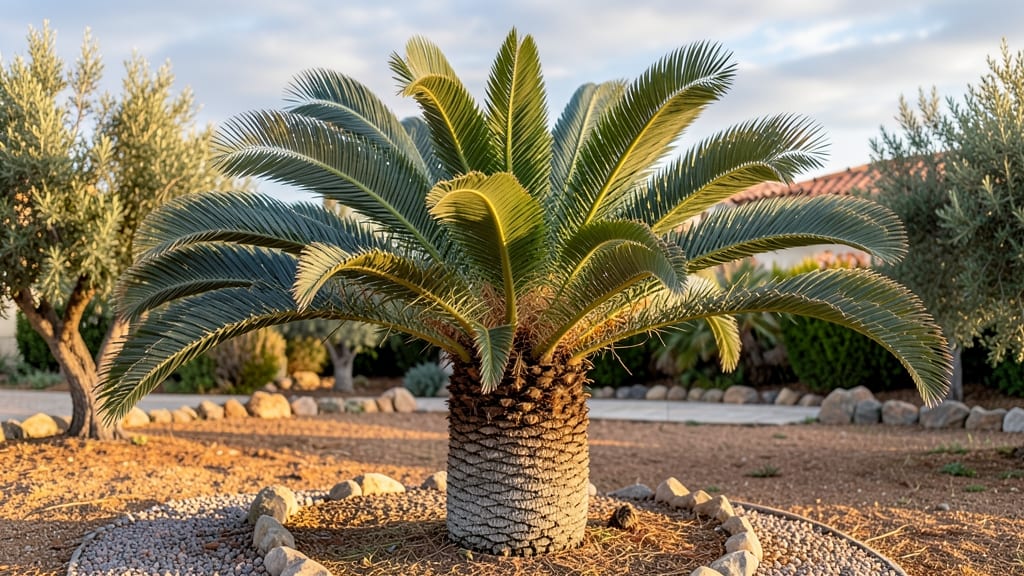
A tropical front yard with a palm tree can add instant curb appeal—even in colder climates where most palms struggle to survive.
Want a tropical front yard that stays lush even in chilly winters? Cold-hardy palm trees can transform your curb appeal while surviving freezing temperatures—here’s how to choose the best variety for your climate zone.
Not all palms are created equal. Some varieties, like the Windmill Palm or Needle Palm, thrive in zones as low as 6, making them perfect for front yards where winters dip below freezing.
In this guide, I’ll walk you through 5 top cold-hardy palms, how to pick the right one for your yard’s size and sunlight, and the simple care tricks to keep them looking stunning year-round.
5 Cold-hardy palm trees perfect for front yards (with USDA zone ratings)
If you love the tropical look of palm trees but live in a cooler climate, don’t worry—there are cold-hardy varieties that thrive in USDA zones 7-10. These palms add year-round curb appeal without requiring a warm-weather paradise.
Whether you're in zone 7’s chilly winters or zone 10’s mild frost, these five varieties will keep your front yard lush and inviting.
The key to success is choosing a palm that matches your local climate limits. Some varieties can handle 20°F dips, while others need protection at 28°F.
Below, I’ve highlighted the top cold-hardy palms for front yards, including their mature height, growth rate, and cold tolerance to help you pick the perfect fit for your space.
Pro Tip: Always check your exact microclimate—urban areas may be 2-5°F warmer than rural zones due to the heat island effect. This can push your palm’s cold tolerance 1-2 zones higher than the official USDA rating.
| Palm Variety | USDA Zones | Cold Tolerance | Mature Height | Growth Rate | Front Yard Fit |
|---|---|---|---|---|---|
| Windmill Palm (Trachycarpus fortunei) | 6-10 | Survives to 10°F | 12-20 ft | Slow to moderate | Best for small yards and urban spaces |
| Needle Palm (Rhapidophyllum hystrix) | 5-10 | Survives to 0°F with mulch | 6-10 ft | Very slow | Ideal for shady spots and woodland gardens |
| Chinese Windmill Palm (Trachycarpus wagnerianus) | 7-10 | Survives to 15°F | 15-25 ft | Moderate | Perfect for statement focal points |
| Saw Palmetto (Arecastrum romanzoffianum) | 7-11 | Survives to 18°F | 15-25 ft | Slow | Great for screening and privacy hedges |
| Mediterranean Fan Palm (Chamaerops humilis) | 7-10 | Survives to 15°F | 6-12 ft | Slow | Best for containers and small landscapes |
The Windmill Palm is my top recommendation for zone 7 gardens because it handles freezing temperatures better than most palms while staying compact enough for front-yard planting.
Its fan-shaped fronds create a textured, tropical look without overwhelming smaller spaces. Plus, it’s drought-tolerant once established, making it low-maintenance for busy home
How to select the best palm tree for your front yard’s climate and space
Choosing the right palm tree for your front yard isn’t just about picking the prettiest variety—it’s about matching your climate zone, available space, and sunlight conditions.
A 10-foot dwarf palm might look stunning in a small yard, but it could struggle in Zone 6 winters if you don’t pick a cold-hardy type. Start by checking your USDA hardiness zone and measuring your yard’s sunlight exposure.
Most front yards get at least 6 hours of sun daily, but some spots may be shadier or windier than others.
Next, consider your yard’s soil type and drainage. Palm trees hate soggy roots, so avoid low-lying areas where water pools. If your soil is heavy clay, amend it with compost or sand before planting.
Also, think about root spread—some palms, like the Mexican Fan Palm, can spread 15 feet wide, while dwarf varieties stay compact. Skipping this step often leads to roots cracking driveways or sidewalks years later.
⚠️ callout warning ⚠️
Many homeowners plant palms too close to sidewalks or driveways, risking root damage to concrete. Minimum spacing should be 10 feet from hardscapes for standard palms, or 5 feet for dwarf varieties. Also, avoid planting near power lines—even slow-growing palms can reach 30+ feet tall!
Pro Tip: Use mulch rings to protect roots in winter and retain moisture.
For small front yards, opt for dwarf palms like the Pygmy Date Palm (10-15 feet tall) or Needle Palm (6-10 feet tall), which thrive in containers or tight spaces. These varieties also tolerate Zone 7 winters with minimal protection.
If you have a large, open yard, consider taller palms like the Windmill Palm (20-30 feet tall) for dramatic curb appeal. Always measure your space and choose a palm that won’t outgrow it in 10-15 years.
Don’t overlook microclimates in your yard. A south-facing wall can create a warmer microclimate, allowing you to grow palms one zone harder than your official zone rating. For example, a Zone 7 yard near a brick wall might safely grow a Zone 8 Chinese Windmill Palm.
Conversely, windy or shaded spots may require a more resilient variety, like the Saw Palmetto, which tolerates partial shade and salt spray.
Finally, test your soil’s pH level—palms prefer slightly acidic to neutral soil (6.1-7.5). If your soil is too alkaline, add peat moss or sulfur to adjust it. Before planting, call 811 to check for underground utilities, as palm roots can damage pipes.
Once you’ve nailed these details, your front yard will have a tropical oasis that’s both beautiful and low-maintenance.
With the right palm, your front yard will stand out as a year-round landscape star, even in cooler climates. Just remember: measure twice, plant once, and always prioritize drainage and space over instant curb appeal. 🌿