
Pruning
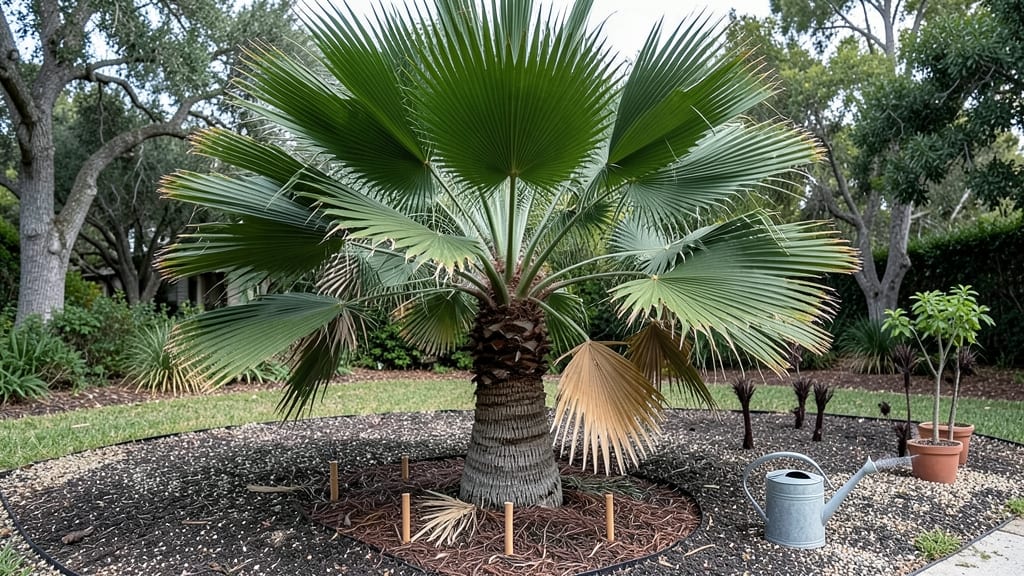
A palm tree grower in colder climates isn’t just possible—it’s thrilling when you pick the right varieties. 🌿 I’ve nursed windmill palms through Zone 7 winters and watched them rebound with new fronds by spring, proving that cold-hardy palms aren’t just for coastal gardens.
The secret lies in three things: soil that drains like a desert (no soggy roots!), a spot that gets morning sun and afternoon shade, and a thick layer of mulch to protect roots from temperature swings.
My Chinese fan palms now stand tall in my front yard, their fronds unfurling every year without a hitch. You’ll end up with a palm that thrives year-round, its leathery fronds rustling even in winter’s chill.
The key is matching the species to your zone—some handle 10°F dips, while others need 20°F protection. I’ll walk you through the best picks and how to prep them for winter.
Whether you’re planting in the ground or a large container, these palms bring tropical vibes to any yard—no beach required. Let’s get those fronds growing!
📚 In This Guide
- What you need
- Instructions
- Tips and common mistakes
- Wrapping up and next steps
What you need
- ● Palm Tree Seeds or Saplings: Cold-hardy varieties like Trachycarpus fortunei (Windmill Palm) or Sabal minor (Dwarf Palmetto).
- ● Quantity: 1–5 plants (depending on desired landscape impact).
- ● Soil: Well-draining, slightly acidic to neutral pH (6.0–7.0).
- ● Mix: 60% topsoil, 30% sand, 10% organic compost (e.g., coconut coir or peat moss).
- ○ Optional: Palm-specific fertilizer (e.g., 8-2-12 NPK ratio) for nutrient boost.
- ● Planting Supplies: Garden shovel or trowel.
- ● 5-gallon pots (if starting indoors) or planting hole (2–3x wider than root ball).
- ● Mulch (pine bark or straw) to retain moisture and insulate roots.
- ● Hardiness Zone: 6–10 (choose varieties suited to your zone; e.g., Trachycarpus tolerates down to -10°F).
- ● Sunlight: Full sun (6+ hours daily) for optimal growth.
- ● Wind Protection: Young palms need shelter from strong winds (use burlap screens or plant near fences).
- ● Water Source: Drip irrigation or hose for consistent moisture (avoid soggy soil!).
- ● Root stimulator gel for transplant shock.
- ● Palm-specific fungicide (to prevent leaf spot in humid climates).
- ● Cold-frame or frost cloth for overwintering tender varieties.
- ● Staking (for young palms in windy areas).
Step-by-step guide to growing cold-hardy palm trees
Here’s how to grow resilient palm trees that survive winter—no greenhouses needed.
🌱 Step 1: Choose the Right Cold-Hardy Variety
Not all palms tolerate cold. For year-round survival in Zone 5-7, focus on windmill palm (Trachycarpus fortunei), needle palm (Rhapidophyllum hystrix), or Chinese windmill palm (Trachycarpus wagnerianus). These varieties handle 10-15°F without damage. Avoid tropical palms like coconut or date palms—they’ll freeze back to the ground.
Check your local USDA Hardiness Zone before buying. I always verify with a local nursery, as microclimates (like urban heat islands) can push zones up by 2-3 degrees. If you’re in a marginal zone, opt for windmill palms—they bounce back best after cold snaps.
☀️ Step 2: Plant in the Warmest, Sheltered Spot
Palms need full sun (6+ hours daily) but also protection from north winds and frost pockets. Plant near a south-facing wall or fence where winter sun can warm the trunk. Avoid low-lying areas where cold air settles.
Dig a hole twice as wide as the root ball but no deeper. Loosen the roots gently if they’re circling. Mix compost into the native soil for better drainage—palms hate soggy roots. Water deeply after planting to settle the soil around the roots.
💧 Step 3: Mulch and Water Strategically for Winter
Apply 3-4 inches of mulch (straw or bark) around the base to insulate roots. Keep mulch 6 inches away from the trunk to prevent rot. Water deeply once a month in winter unless rain provides 1 inch of moisture—palms need less water when dormant.
Watch for brown frond tips in winter—they’re normal and not a sign of death. If fronds turn black and mushy, you’re overwatering. A healthy palm in winter should have green crowns and dry, brown lower fronds (natural shedding).
✂️ Step 4: Prune and Protect Before Frost
Remove dead or yellow fronds in early spring (not winter) to avoid stress. Never prune more than 1/3 of the fronds at once. In late fall, wrap the trunk of young palms (under 5 feet) with burlap or frost cloth to shield them from 20°F+ dips. Older palms usually handle cold better.
If a frost warning hits, cover the crown with a tarp secured with bricks—palms can’t recover if their growing tips freeze. Uncover during the day to let sunlight warm the plant. I’ve seen windmill palms regrow from the base after 15°F freezes—they’re tougher than they look.
🌿 Step 5: Feed and Monitor for Recovery
In early spring, fertilize with a balanced palm fertilizer (6-6-6) once new fronds emerge. Avoid fertilizing in fall—it encourages tender growth that freezes. Water deeply every 2-3 weeks until you see new fronds unfurling (usually by May).
If your palm loses all fronds to the ground, don’t panic. The crown may still be alive—check for green buds at the base. Windmill palms often regrow from the trunk. If no new growth appears by mid-spring, the palm likely didn’t survive. Replace it with a hardier variety next time.
Tips & tricks for perfect cold-hardy palm trees
These are the hard-won lessons that'll help your palms thrive through even the harshest winters.
Variety Selection: When choosing between windmill, needle, or Chinese windmill palms, consider your specific winter challenges. Needle palms handle 15°F beautifully but grow slowly, while windmill palms bounce back faster from 10-15°F freezes. I've seen windmill palms regrow from the base after dips below 15°F—their resilience is truly remarkable. For marginal zones, windmill palms are my go-to because they recover better from cold snaps.
Microclimate Mastery: That 2-3 degree microclimate adjustment matters more than you think. Urban heat islands can push your zone up by a full zone—check for warm spots near buildings or pavement. I've planted windmill palms in Zone 6 that survived 10°F dips because they were positioned against a south-facing brick wall. Always test your spot for a full winter before committing to tropical varieties.
Winter Watering Wisdom: The "deeply once a month" rule assumes average winter rainfall. In drought years, you might need to water every 6-8 weeks instead. I learned this the hard way when a windmill palm's fronds turned crispy during a dry winter—it needed that extra moisture to survive. Always check soil moisture by digging down 2 inches; if it's dry, water deeply.
Frost Protection Hacks: For those 20°F+ dips, I've found that wrapping young palms with burlap and securing a clear plastic tarp (not black) works better than frost cloth alone. The plastic creates a mini greenhouse effect while still allowing light. Just remember to remove it during the day to prevent overheating. This simple upgrade saved several young palms during our 12°F winter last year.
Pro Tips for Palm Tree Grower
- These are the hard-won lessons that'll help your palms thrive through even the harshest winters.
- Variety Selection: When choosing between windmill, needle, or Chinese windmill palms, consider your specific winter challenges.
- Microclimate Mastery: That 2-3 degree microclimate adjustment matters more than you think.
Frequently asked questions
Got questions about growing cold-hardy palm trees? You’re not alone! Here are some of the most common queries from palm tree growers—plus the answers you need to keep your palms thriving year-round.
Which palm trees survive the coldest climates?
If you’re in USDA Zones 5–8, focus on windmill palms (Trachycarpus fortunei), needle palms (Rhapidophyllum hystrix), or Chinese windmill palms (Trachycarpus wagnerianus). These varieties tolerate temps down to 5–10°F with proper winter care (like mulching or wrapping trunks).
How long does it take for a palm tree to mature?
Most cold-hardy palms grow 1–3 feet per year, reaching maturity (full height and frond production) in 5–10 years, depending on species and growing conditions. Patience pays off—young palms need extra protection in winter!
Can I grow palm trees in containers?
Yes! Dwarf varieties like pygmy date palms (Phoenix roebelenii) or miniature fan palms (Chamaerops humilis) thrive in pots. Use a well-draining mix and move containers indoors or to a garage when temps drop below 20°F. Just ensure pots are large enough (15+ gallons for mature palms).
How do I protect my palm trees in winter?
Start by mulching the base with straw or wood chips (6–12 inches deep). Wrap trunks with burlap or frost cloth if temps dip below 15°F. Avoid watering before freezes—hydrated palms are more vulnerable to cold damage. For extra safety, add Christmas lights around the base to gently warm the roots!
Why are my palm fronds turning brown or yellow?
Brown fronds often signal cold damage, overwatering, or nutrient deficiency. If it’s winter, the palm may be dormant—trim dead fronds after new growth appears in spring. Yellowing could mean iron deficiency (common in alkaline soil); amend with chelated iron or acidic compost. Always check for pests like palm weevils too!
Wrapping up and next steps
Growing cold-hardy palm trees is absolutely doable—even in chilly climates! 🌱 With the right variety, proper care, and a little patience, you can enjoy lush, tropical vibes year-round.
Whether you’re a seasoned palm tree grower or just starting, the key is choosing resilient species like Windmill Palm or Needle Palm and giving them the love they need.
Now that you’re armed with tips and tricks, take the next step! Start small—plant a sapling in your yard or pot, and watch it thrive. Need more inspiration? Explore local nurseries or online forums to connect with fellow palm enthusiasts. Your tropical oasis awaits! 🌴✨