
Pruning
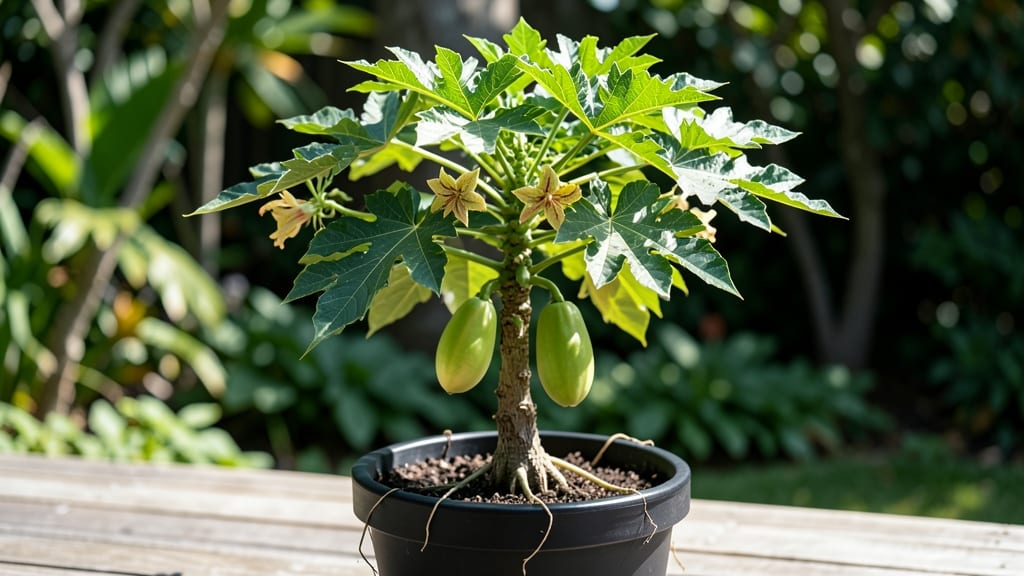
Growing a papaya tree 🍈 with small fruit can be frustrating when you’re dreaming of juicy, full-sized harvests.
If your papaya tree is producing tiny, underdeveloped fruits instead of the plump, sweet harvests you expect, pruning might be the game-changer your garden needs.
Small fruit often happens when the tree puts energy into too many branches instead of focusing on a few strong ones. By pruning strategically, you can redirect that energy to grow bigger, healthier fruit.
In this guide, I’ll walk you through three simple steps to prune your papaya tree for a bigger harvest, plus common mistakes to avoid so you don’t end up with even smaller fruit.
Why small papaya fruit happens (and how pruning fixes it)
If your papaya tree is struggling with small fruit, don’t blame your green thumb—it’s likely a case of energy misdirection. Papayas, like many tropical trees, prioritize survival over fruit size when stressed. Overcrowded branches compete for nutrients, leaving fruits undersized and underdeveloped.
The good news? Strategic pruning techniques can redirect that energy toward fewer, larger, and juicier fruits.
At the heart of the issue are plant growth hormones, specifically auxin and cytokinins. Auxin, produced in growing tips, suppresses fruit growth if too many branches are competing. Meanwhile, cytokinins, found in leaves, promote fruit development—but only if the tree isn’t overburdened.
When branches are too dense, auxin dominates, stunting fruit size. Pruning thins out competition, allowing cytokinins to take over and boost fruit growth.
Another culprit is poor light exposure. Shaded inner branches produce smaller fruits because they lack the energy from photosynthesis. Even if your tree gets full sun, blocked sunlight on lower branches can lead to stunted fruit.
Pruning opens up the canopy, ensuring even light distribution and maximizing fruit potential.
Let’s break down the root causes of small papaya fruit and how pruning solves them in a clear comparison:
Pruning isn’t just about cutting branches—it’s about rebalancing your tree’s energy. By removing competing growth, you allow the remaining branches to focus their resources on fruit development.
Think of it like a chef allocating ingredients: too many small dishes mean each one lacks flavor, but a few well-prepared courses shine. The same logic applies to your papaya tree.
Timing is critical. Prune during the dry season (just before flowering) to avoid stressing the tree. This gives it time to heal and recover before the fruiting phase begins.
Avoid heavy pruning during fruit set, as this can shock the tree and reduce yield. Instead, opt for light maintenance to keep the canopy open.
One common mistake is pruning too late in the season. If you wait until summer heat or fruit development is already underway, the tree may struggle to recover. Plan your pruning 3-4 months before harvest to give the tree ample time to redirect its energy toward larger, healthier fruits.
This aligns with the tree’s natural growth cycle and maximizes your harvest potential.
Beyond pruning, ensure your papaya tree gets the right nutrients. A balanced 10-10-10 fertilizer (nitrogen, phosphorus, potassium) supports both foliage and fruit growth. However, too much nitrogen can lead to leafy growth at the expense of fruit size.
Monitor your tree’s response and adjust fertilization to prioritize fruiting over foliage.
Finally, observe your tree’s growth habits. If you notice excessive branching or uneven fruit distribution, these are red flags that pruning is needed. Pay attention to where fruits form—if they’re clustered on outer branches but sparse on inner ones, it’s a sign of light competition.
Addressing these issues early ensures your papaya tree matures into a fruit-producing powerhouse.
With the right pruning approach, your papaya tree can transform from a producer of tiny, underdeveloped fruits to a bountiful source of large, juicy papayas
Step-by-Step pruning guide for bigger papaya fruit
Pruning your papaya tree isn’t just about shaping—it’s a direct way to boost fruit size. When done right, strategic cuts redirect the plant’s energy from excessive leaf growth to larger, juicier fruits. The key is timing and technique, especially for small-fruit varieties that need extra focus to mature properly.
Start by identifying the central leader (main trunk) and lateral branches—these are your pruning targets. Overcrowded branches compete for nutrients, leaving your papaya fruits stunted. By removing the right growth at the right time, you’ll encourage the tree to invest in fruit development instead of unnecessary foliage.
Step-by-Step Pruning Process
-
1
Step 1: Prune in Late Winter/Early Spring
Timing matters! Cut back overgrown branches just before new growth begins (typically February-March in tropical zones). This gives the tree time to recover before flowering season. -
2
Step 2: Remove 1/3 of Lateral Branches
Focus on thin, weak lateral branches (those growing at 90-degree angles from the trunk). Keep only the healthiest 2-3 branches per node to avoid overcrowding. -
3
Step 3: Thin the Canopy for Sunlight
Cut back dense inner branches to improve airflow and sunlight penetration. Aim for a vase-like shape—this ensures even light exposure, which is critical for fruit sizing.
After pruning, monitor your tree for new growth patterns. You’ll notice fewer but stronger branches, and within 4-6 weeks, the tree will redirect energy to fruit development. Avoid pruning during flowering or fruiting stages—this disrupts the plant’s energy balance and can lead to smaller harvests.
Use sterilized pruning shears to prevent disease, and always cut just above a leaf node or bud. This encourages faster healing and new growth. For small-fruit papayas, this method can double your fruit size in one season with consistent care.
Pro tip: Pair pruning with balanced fertilization (high in potassium) to support the extra energy demand of larger fruits. Water deeply after pruning to help the tree recover and establish new roots.