
Pruning
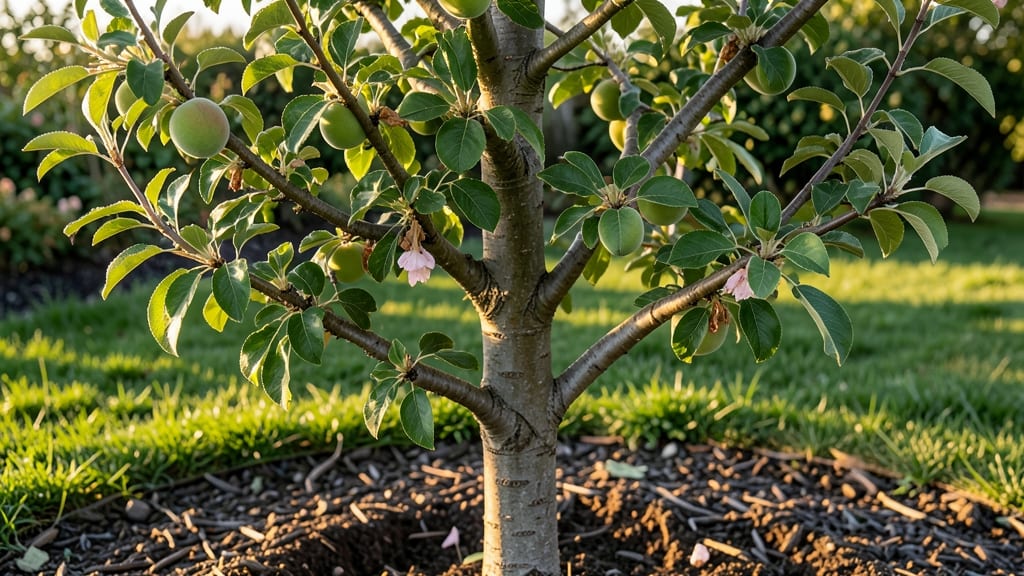
Green fruit on your 🍑 peach tree when neighbors’ peaches are ripe is one of the most frustrating gardening puzzles—but it’s fixable.
You’ve watered, waited, and even prayed for color, yet those peaches stay stubbornly green. The problem isn’t just time; it’s often a mix of sunlight gaps, temperature swings, or even overcrowded branches blocking airflow.
Worse, if left unchecked, you might end up with a harvest of tiny, mealy fruit—or none at all.
Good news: most cases of green peach fruit can be turned around with simple adjustments like thinning overloaded branches, tweaking watering schedules, or adding a calcium spray. Below, I’ll walk you through the top causes and the fastest fixes to get those peaches ripening before your patience runs out.
Whether you’re dealing with a young tree still finding its rhythm or an established 🍑 peach tree that’s just being stubborn, you’ll learn how to spot the signs early and take action before harvest season slips away.
Why your peach tree fruit stays green: 5 common causes
Watching your peach tree fruit stay stubbornly green while neighbors' trees produce ripe, juicy peaches is one of the most frustrating gardening challenges. The good news? This issue almost always stems from correctable environmental or cultural factors.
Understanding the 5 key causes of green peach fruit lets you take targeted action before your entire crop is lost.
Peaches ripen through a complex process involving ethylene gas production, temperature cues, and proper nutrient balance. When any of these factors are disrupted, your fruit gets "stuck" in its green phase.
The most common culprits are temperature fluctuations, water stress, and nutrient deficiencies—all of which I'll break down with science-backed explanations and practical solutions.
Let's start with the most critical factor: temperature extremes. Peaches need consistent daytime temperatures between 75-90°F to ripen properly. When nights dip below 55°F or days exceed 95°F, the ripening process halts completely. This is why late spring frosts or summer heatwaves often leave fruit green and firm.
-
1. Temperature Fluctuations
Peaches need consistent warmth (75-90°F) to produce ethylene. Extreme heat or cold blocks ripening enzymes. -
2. Water Stress
Overwatering causes root suffocation while underwatering triggers nutrient lockout. Both prevent color change. -
3. Disease Pressure
Fungal infections like brown rot or leaf curl divert energy from fruit maturation, keeping peaches green. -
4. Nutrient Deficiencies
Low calcium or potassium causes poor cell wall development, preventing color shift from green to yellow. -
5. Variety Traits
Some late-season peach varieties naturally stay green longer. Check your tree's maturity timeline against harvest dates.
Another major culprit is water stress, which manifests in two destructive ways. Overwatering creates anaerobic soil conditions that suffocate roots, preventing the tree from transporting sugars needed for ripening.
Conversely, underwatering triggers a physiological drought response, where the tree prioritizes survival over fruit maturation. Both scenarios leave your peaches trapped in their green phase.
Disease pressure is often overlooked but devastating. Fungal pathogens like brown rot (Monilinia fructicola) and peach leaf curl (Taphrina deformans) don't just damage leaves—they hijack the tree's energy.
When your peach tree fights infections, it prioritizes defense over fruit development, resulting in green, underdeveloped peaches that may never ripen properly. Look for blackened pits or cracked skin as red flags.
The fourth common cause is nutrient deficiencies, particularly calcium and potassium. Calcium is crucial for cell wall development—the very structure that allows peaches to change color. Without enough calcium, fruit remains firm and green indefinitely.
Potassium, meanwhile, regulates enzyme activity during ripening. Test your soil annually to catch these deficiencies before they ruin your harvest.
Finally, don't overlook variety-specific traits. Some peach cultivars, particularly late-season varieties like 'Redhaven' or 'Elberta', naturally take longer to ripen. These trees may produce green fruit well into September before finally turning yellow.
Always verify your tree's maturity timeline against your local climate zone to distinguish between normal development and actual problems.
One surprising factor is fruit load. When a peach tree bears too many peaches, it can't provide enough energy to ripen them all. The tree prioritizes a few fruit over many, leaving others green and underdeveloped.
This is why thinning fruit in late spring is a critical practice—it ensures the remaining peaches get the resources they need to ripen properly.
To diagnose which factor is affecting your tree, examine these key visual clues: leaf discoloration (yellowing = nutrient issues), cracked bark (temperature stress), or moldy fruit (disease pressure). Each clue points directly to the root cause of your green peach problem, allowing you to take precise corrective action.
Remember, peach ripening is a delicate balance of science and environment. By addressing these five common causes—temperature, water, disease, nutrients, and variety traits—you'll give your tree the best chance to produce sweet, ripe peaches instead of green, disappointing fruit.
The key is acting early before the problem becomes irreversible.
How to fix green peach fruit before harvest: step-by-step solutions
When your peach tree fruit stays green instead of ripening to the expected yellow or orange, it’s a clear sign something’s off. The good news? Most causes have quick fixes. Start by checking your watering schedule—overwatering or inconsistent moisture can delay ripening.
Peaches need deep, infrequent watering (10-15 gallons every 3-5 days) to develop properly. If your tree is young or in a hot climate, it may need even more frequent deep watering to prevent stress.
Next, inspect your tree for pests or diseases. Aphids, spider mites, or fungal infections like brown rot can sap energy from the fruit, keeping it green. Look for sticky residue (aphids), webbing (mites), or dark spots (fungus).
Catching these early with neem oil sprays or copper fungicides can turn the tide. If pests are severe, they might require multiple treatments over 2-3 weeks for full recovery.
⚠️ WARNING: IMMEDIATE ACTION NEEDED ⚠️ If your peaches are hard and green with white seed pits, your tree may be calcium-deficient. This is a critical issue—peaches need calcium for proper cell development.
Apply a calcium nitrate spray (1 tbsp per gallon of water) every 2 weeks until harvest. For established trees, work crushed eggshells or gypsum into the soil around the drip line. Without calcium, fruit will remain green, tough, and prone to cracking. Act now—calcium deficiency won’t fix itself! 🌱
Improve airflow and sunlight around your peach tree by pruning dense branches. Thinning out the canopy lets sunlight penetrate to the inner fruit, speeding up ripening. Focus on removing crossing branches or those rubbing against each other.
Use sterilized pruners and cut just outside the branch collar in early spring or late winter. Avoid heavy pruning during fruiting season—it stresses the tree and delays ripening further.
Check your peach tree variety—some types naturally ripen later than others. Late-season varieties like ‘Redhaven’ or ‘Elberta’ may stay green longer, especially in cooler climates. If you’re in USDA Zone 6a or below, consider choosing earlier-ripening varieties like ‘Reliance’ or ‘Contender’ for next year.
For now, monitor fruit daily for color shifts—even late varieties will eventually ripen if conditions improve.
Finally, thin your fruit if overloaded. Too many peaches compete for nutrients, staying small and green. Remove 1-2 inches of fruit per branch, focusing on the smallest or deformed ones.
This redirects energy to the remaining fruit, helping them ripen faster. Time your thinning in late spring when fruit is still small—it’s less stressful for the tree and more effective.
With these steps, you’ll see progress within 2-4 weeks. Keep an eye on your tree’s response and adjust care as needed.
Patience is key—some peaches may never fully ripen on the tree, but you can still harvest and ripen them indoors with a paper bag trick (place them in a bag with a ripe banana for 3-5 days). 🍑