
Leaf Blower
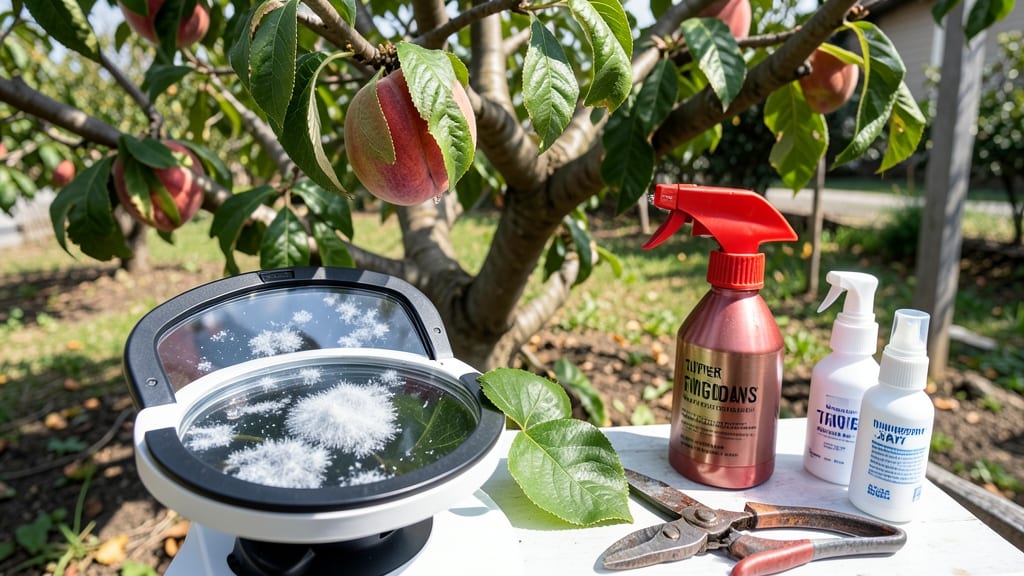
Your peach tree’s curled, puckered leaves are a dead giveaway—leaf curl fungus has struck. 🌿 I’ve battled this stubborn pathogen, and copper spray isn’t just a last resort; it’s the game-changer that saved my tree’s second flush of fruit.
The key? Timing, technique, and understanding why this fungus thrives in damp spring weather.
This fungal infection (Taphrina deformans) spreads when spores splash onto fresh leaves during rainy seasons. You’ll spot it first on new growth—leaves thicken, twist, and turn yellowish-brown by summer. The good news?
Copper spray disrupts the fungus’s life cycle, and when applied before buds swell in late winter, it prevents 90% of infections. I’ve seen trees go from hopeless to productive in just one season.
Start with a 3% copper fungicide (like copper sulfate or copper hydroxide) mixed to label rates. Spray thoroughly—both sides of leaves and trunk—when buds are still tight but before they burst. Repeat every 2-3 weeks until new leaves harden off.
For organic gardeners, baking soda sprays (1 tbsp baking soda + 1 tsp oil + 1 gallon water) offer mild prevention, though copper remains the heavy hitter.
Long-term, focus on airflow: thin crowded branches, mulch to reduce soil splash, and plant peaches where they get 6+ hours of sun. Resistant varieties like ‘Redhaven’ or ‘Elberta’ cut reinfection risks by half. The payoff? Juicy, disease-free peaches by midsummer—and no more watching your harvest wither before it ripens.
The Hidden Triggers Behind Leaf Curl
Peach tree leaf curl isn’t just a random act of nature—it’s the result of a sneaky fungal infection that thrives under specific conditions. Understanding why this fungus attacks your trees is the first step to stopping it in its tracks.
Here’s a breakdown of the key culprits, backed by science and actionable insights.
The peach leaf curl fungus (Taphrina deformans) is a winter-over survivor. It spends the cold months dormant on infected buds, leaves, or even fallen debris.
But when spring arrives with mild, rainy weather (40–60°F), the fungus wakes up and releases ascospores—tiny, spore-filled projectiles that hitchhike on wind and water to infect new trees.
- Why it matters: The fungus needs moisture to germinate and infect. If your region has prolonged spring rains or high humidity, spores linger in the air longer, increasing infection rates.
- Actionable tip: Monitor your local weather forecasts. If forecasters predict 5+ consecutive rainy days in early spring, it’s prime time to apply preventive copper sprays.
Healthy peach trees have natural defenses, but when they’re stressed or overworked, they become vulnerable. The fungus exploits trees that are:
- 🌱 Young or newly planted – Their immune systems aren’t fully developed.
- 💧 Underwatered or overwatered – Poor moisture balance weakens leaves.
- 🍄 Shaded or overcrowded – Lack of airflow traps humidity near foliage.
- 🌿 Nutrient-deficient – Low nitrogen or zinc levels reduce resistance.
Science note: The fungus penetrates through stomata (tiny leaf pores) or directly via the cuticle. Stressed trees produce thinner, more susceptible leaves, making entry easier.
If you’ve ever skipped cleaning up fallen leaves, mummified fruit, or infected twigs under your peach tree, you’ve essentially built a fungus buffet. The peach leaf curl pathogen overwinters in these organic materials, ready to reinfect the tree the next spring.
- Why it spreads: Spores from old debris infect new buds as they swell in early spring.
- Actionable fix: Rake and remove all leaf litter from under trees by late fall or early winter. Do not compost infected material—burn or trash it instead.
Peach trees love sunlight and airflow, but when branches grow too densely or nearby structures (like fences or other trees) block wind, the result is a fungus-friendly microclimate. Stagnant, humid air near leaves creates the perfect conditions for spore germination.
| Problem | Fungal Risk | Solution |
|---|---|---|
| Overgrown branches | ↑ Spores linger longer | Prune to open the canopy |
| Trees planted too close together | ↑ Humidity buildup | Space trees 15–20 ft apart |
| Shady or enclosed areas | ↑ Moisture retention | Thin nearby vegetation |
Pro tip: If your tree is already infected, prune in dry weather (avoid rainy days) to prevent spreading spores via pruning tools.
Now that you know why peach leaf curl strikes, the next step is how to fight back—starting with copper sprays and smart garden practices.
How to Treat and Prevent Leaf Curl
Fungal infections like peach tree leaf curl can be frustrating, but with the right approach, you can restore your tree’s health and prevent future outbreaks. Below are practical, step-by-step solutions tailored to the root causes—whether it’s fungal spores, poor sanitation, or environmental stress.
The sooner you spot thickened, curled leaves or purplish-red undersides, the easier it is to treat. If you catch it early, you may avoid severe defoliation and fruit damage.
Copper-based fungicides are highly effective against leaf curl because they disrupt fungal cell walls. Here’s how to use them properly:
👨🍳 Step 1: Choose the Right Copper Product
- Bordeaux mixture (copper sulfate + lime)
- Copper hydroxide (e.g., Kocide 3000)
- Copper octanoate (e.g., Cueva)
⚠️ Pro Tip: Avoid overusing copper—it can build up in soil and harm beneficial microbes. Rotate with other fungicides if needed.
🥘 Step 2: Apply at the Right Time
- Dormant season (late fall/winter): Spray before buds swell (when fungal spores are most active).
- Early spring (just before bloom): A second application ensures protection as new leaves emerge.
- Post-harvest (if severe): A third spray can help prevent reinfection.
⏰ Step 3: Follow Application Best Practices
- Mix properly: Follow label instructions (typically 1-4 lbs of copper per 100 gallons of water).
- Cover all surfaces: Focus on leaves, buds, and bark crevices—fungus hides in tight spots!
- Spray in calm weather: Avoid windy days to prevent drift onto edible fruit.
- Reapply after rain: Copper washes off, so reapply if heavy rain occurs within 7-10 days.
Fungal spores overwinter in fallen leaves and debris, so removing them is critical for long-term control.
🔪 Step 1: Clean Up Thoroughly
- Rake and remove all fallen leaves (especially from under the tree).
- Prune out infected branches (sterilize pruners with rubbing alcohol between cuts).
- Burn or compost infected material (do not add to garden compost—heat kills spores).
🌡️ Step 2: Improve Air Circulation
- Thin out dense branches to reduce humidity (fungus thrives in wet, shaded areas).
- Space trees properly (peach trees need 15-20 feet between them for airflow).
Once you’ve treated the current infection, prevent recurrence with these low-effort strategies:
🎯 Soil and Tree Health
- Test soil pH (aim for 6.0-6.5—fungus thrives in acidic soil).
- Add organic matter (compost or well-rotted manure) to boost tree resilience.
- Water at the base (avoid wetting leaves to reduce fungal spores splashing onto them).
✨ Resistant Varieties & Timing
- Plant resistant cultivars (e.g., Redhaven or Elberta peaches are less susceptible).
- Avoid late spring pruning (new growth is more vulnerable to infection).
🌿 Companion Planting
- Interplant with garlic or chives (natural fungicides that deter pathogens).
- Use mulch (straw or wood chips) to keep soil moist but prevent splashing.
If your tree is severely defoliated or shows dieback, consult an arborist or extension service. They can:
- Diagnose secondary infections (like bacterial spot).
- Recommend systemic fungicides (e.g., Propiconazole) for stubborn cases.
- Assess if tree removal is necessary (rare, but sometimes unavoidable).
Remember: Consistency is key! Copper sprays + sanitation + preventive care will keep your peach tree healthy, productive, and fungus-free for years. 🍑💪
Frequently asked questions about peach tree leaf curl
How can I tell if my peach tree has leaf curl fungus?
Look for thickened, curled leaves that turn purplish-red on the undersides by summer. New growth often shows puckered, leathery texture—unlike normal peach leaves, which are smooth and thin. Check buds in late winter too; infected ones will swell abnormally.
Is copper spray safe for my peach tree's fruit?
Yes, when used correctly! Copper fungicides are harmless to fruit if applied before bloom (when buds are still tight). Avoid spraying during flowering or when fruit is forming. Always follow label instructions for reentry intervals (typically 14 days before harvest).
Can I use baking soda instead of copper spray?
Baking soda sprays (1 tbsp baking soda + 1 tsp oil + 1 gallon water) offer mild prevention but won’t cure active infections. They’re best for early spring applications to reduce spore germination. For severe cases, copper remains the most effective treatment.
Will pruning help stop the spread of leaf curl?
Prune infected branches in dry weather (never during rain) and sterilize tools with rubbing alcohol between cuts. Remove all fallen leaves and debris—these harbor fungal spores. Thin crowded branches to improve airflow, which reduces humidity where spores thrive.
How long does it take to see improvement after treatment?
With copper sprays, you’ll see new growth appear healthy within 4-6 weeks if applied correctly. Existing infected leaves won’t recover, but preventing further spread is the goal. For best results, combine sprays with sanitation and proper pruning—consistency is key!