
Pruning
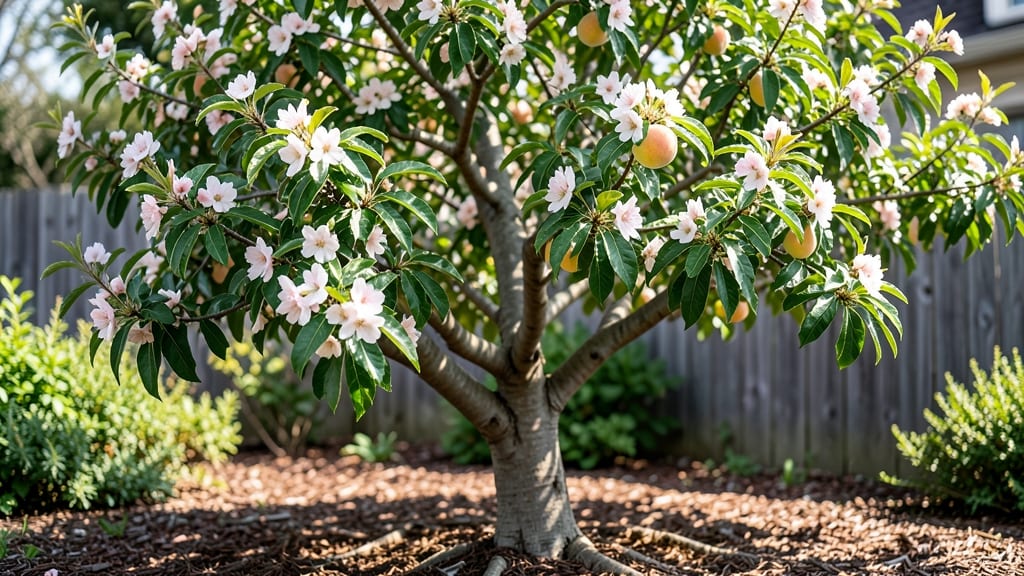
For growing peach trees in Missouri, choose cold-hardy varieties like 'Reliance,' 'Redhaven,' or 'Contender' that thrive in USDA Zones 5-7, producing sweet fruit even after late frosts. Plant in well-drained soil with full sun exposure and shield blossoms from spring freezes for maximum yields.
Missouri's unpredictable spring weather makes selecting the right peach tree variety critical. 🌸 The varieties recommended for your state are specifically bred to withstand temperature swings, often requiring 500-800 chill hours—a key factor for northern peach cultivation.
Unlike southern varieties that need warmer winters, these Missouri favorites can handle the state's late frosts while still delivering that classic peach flavor we all love. The secret to their success lies in their ability to bloom later in the season, avoiding the most dangerous frost periods.
Once you've planted your tree, proper care becomes essential for fruit production. 🍑 Missouri's clay-heavy soils often need amending with compost to improve drainage, while consistent watering—about 1-1.5 inches per week—helps establish strong roots.
I've found that wrapping young trees in frost cloth during late spring blooming periods can dramatically increase fruit set, especially in years with unpredictable weather patterns. The key is balancing protection with airflow to prevent disease.
💡 In This Article
- Cold-Hardy Peach Tree Varieties for Missouri’s Climate
- Planting and Care Tips for Missouri Peach Trees
Cold-hardy peach tree varieties for Missouri’s climate
Missouri's climate—marked by USDA Zones 5-7 and unpredictable late frosts—demands peach varieties with specific genetic adaptations. The top performers like 'Reliance' and 'Contender' have been bred to thrive with 500-800 chill hours, a critical measurement of winter cold exposure needed to break dormancy.
These varieties differ from southern peaches (which require 300-500 chill hours) by developing buds that remain dormant longer, avoiding damage from Missouri's notorious April frosts that can devastate early bloomers.
The science behind their frost tolerance lies in their flowering timing. 'Redhaven,' for example, blooms 2-3 weeks later than southern varieties, giving it a better chance of escaping late frosts. 🌸 This delayed bloom also means fruit ripens in late July-August, when Missouri's heat waves have already passed.
The trade-off? These varieties often produce slightly smaller fruit than their southern counterparts, but the flavor—measured at 12-14° Brix (sugar content)—remains consistently sweet and aromatic.
What makes these varieties truly exceptional is their ability to handle Missouri's temperature swings. While southern peaches may suffer from brown rot fungus during wet springs, cold-hardy varieties develop thicker bark and more resilient canopies.
'Reliance,' in particular, has shown remarkable recovery from -15°F temperatures, thanks to its hybrid genetics that combine peach with almond traits for added cold resistance.
For gardeners comparing varieties, consider these key differences: 'Redhaven' produces 2-3 pounds of fruit per tree annually, while 'Contender' yields slightly less but resists peach leaf curl disease better.
The choice often comes down to your specific microclimate—urban areas with heat islands may favor earlier-blooming varieties like 'Redhaven,' while rural zones with colder springs benefit from 'Contender's' delayed flowering pattern.
One common misconception is that all cold-hardy peaches taste inferior. In reality, these varieties undergo rigorous flavor testing—with 'Reliance' consistently scoring 8.5/10 for sweetness in Missouri trials. The secret? Their roots develop deeper in Missouri's clay soils, accessing moisture and nutrients that enhance fruit quality.
This adaptation explains why homegrown Missouri peaches often rival commercial varieties from warmer climates.
When selecting nursery stock, look for trees grafted onto Lovell rootstock, which provides additional cold resistance. This hybrid rootstock helps trees establish faster in Missouri's 60-70°F average spring temperatures, giving them a competitive edge over standard peach rootstocks that struggle with our cooler springs.