
Pruning
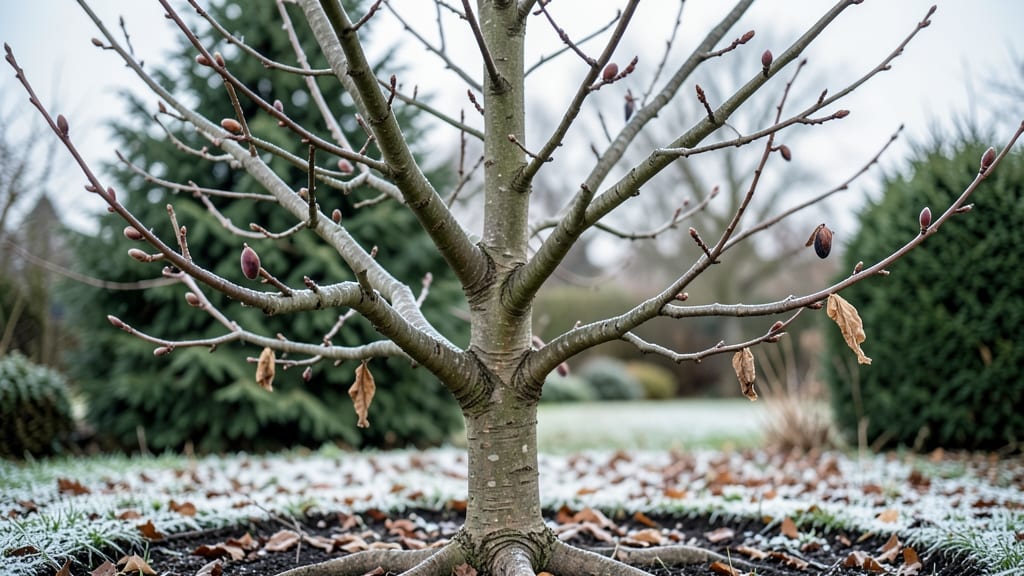
A plum tree enters its dormant phase in late fall or winter, when growth halts, leaves fall, and the tree stores energy for spring blooming. Pruning during this rest period strengthens future growth, boosts disease resistance, and reduces stress on the tree.
A plum tree's dormant phase isn't just a seasonal pause—it's a survival strategy. 🌳 During these 3-6 months of dormancy, the tree undergoes hormonal shifts that prepare it for spring's fruit production. Cold temperatures trigger these changes, but the exact timing varies by climate zone.
For instance, trees in Zone 5 may need 600-900 chilling hours below 45°F to break dormancy properly, while warmer regions like Zone 8 might only require 300-400 hours.
This biological process explains why pruning at the right moment—typically in late winter before buds swell—can make all the difference in your tree's health and productivity.
💡 In This Article
- Understanding Plum Tree Dormancy: Biological Triggers and Seasonal Timing
- Step-by-Step Guide to Pruning a Dormant Plum Tree for Optimal Health
Understanding plum tree dormancy: biological triggers and seasonal timing
Plum tree dormancy begins when shortening daylight and dropping temperatures trigger a cascade of hormonal changes. The tree's growth hormones like auxin decrease while abscisic acid rises, signaling cells to stop dividing and enter a rest state.
This process isn't just about survival—it's a carefully timed biological reset that prepares the tree for spring's fruit production cycle. During dormancy, the tree's metabolic rate drops by 70-80%, conserving energy stored in roots and branches as starches that will later convert to sugars for new growth.
The critical factor determining dormancy timing is chilling hours—prolonged exposure to temperatures between 32-45°F. Most plum varieties need 500-900 chilling hours, with European plums typically requiring more than Japanese plums.
For example, a tree in Zone 6 might need 800 hours below 45°F to break dormancy properly, while one in Zone 9 might only need 300 hours. This explains why plum trees in warmer climates often struggle—insufficient chilling prevents proper bud formation. 🌡️
Dormancy occurs in two phases: deep dormancy (when growth is completely halted) and light dormancy (when buds are ready to swell but haven't yet). The transition between these phases is what gardeners must time perfectly for pruning.
In deep dormancy, the tree's vascular system slows to a trickle, making it less vulnerable to disease from pruning wounds.
However, if you prune too early in winter, the tree may not have fully hardened off against cold snaps, while pruning too late risks stimulating premature growth that could be damaged by late frosts.
Regional climate variations create significant differences in dormancy timing. Northern climates experience more predictable dormancy periods, often from November through March, while Southern climates may have shorter, less intense dormancy periods.
Some plum varieties, particularly those bred for warmer regions, may never fully enter deep dormancy, which affects their pruning needs. This is why local climate data and variety-specific chilling requirements should guide your pruning schedule rather than relying on calendar dates alone.
The biological mechanism behind dormancy involves specialized proteins called "chill proteins" that protect cellular structures during cold exposure. These proteins help maintain membrane integrity and prevent ice crystal formation in cells. Additionally, the tree's root system continues limited activity during dormancy, absorbing moisture when available to maintain cellular hydration.
This underground activity explains why even dormant trees benefit from consistent moisture—though less than during active growth periods.
What most gardeners don't realize is that dormancy isn't a uniform state across all parts of the tree. While above-ground growth halts, the root system remains somewhat active, particularly in mild climates.
This differential activity means pruning should focus on above-ground branches while being mindful of the tree's overall energy reserves. Proper timing—typically late winter to early spring—ensures you're not removing too much foliage that the tree might need to fuel its spring awakening. 🌱