
Pruning
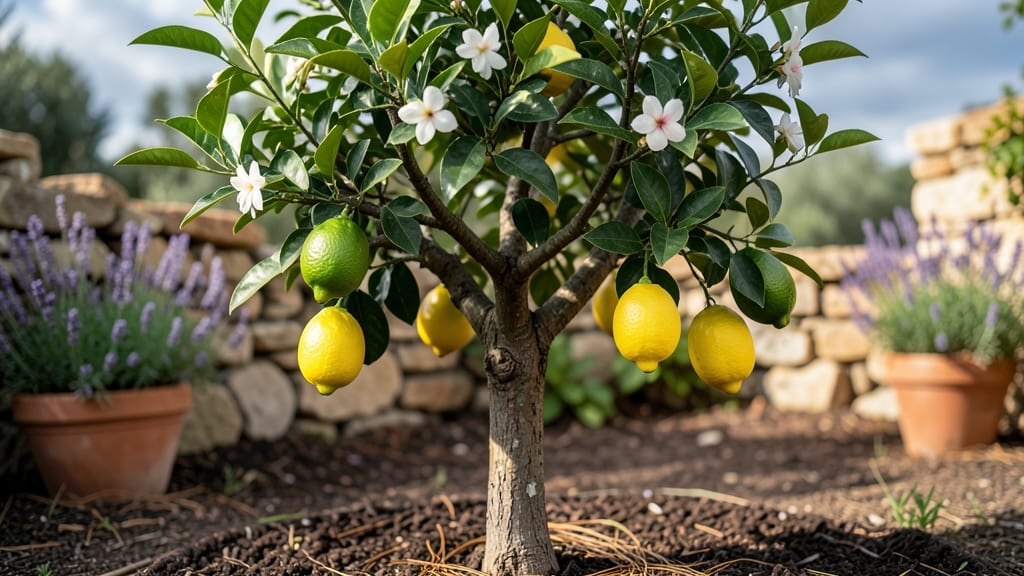
Growing lemon trees in Zone 6 requires cold-hardy varieties like 'Meyer' or 'Ponderosa' and protective measures such as container cultivation, winter mulching, and indoor overwintering to survive sub-freezing temperatures.
Zone 6 winters can drop below 20°F, which is lethal for most citrus trees since their leaves and stems freeze at 28°F or higher. 🌱 The key to success lies in choosing varieties bred to withstand brief cold snaps—like the 'Meyer' lemon, which can handle 15°F with protection—or growing trees in movable containers.
I’ve seen gardeners extend the season by wrapping trees in frost cloth or burying containers in straw, which adds an extra 5-10°F of insulation during hard freezes.
Another critical factor is timing: pruning back dead growth in early spring and avoiding heavy fertilizing before winter helps the tree focus energy on root survival. Many nurseries now offer cold-hardy citrus grafts, which combine hardy rootstock with your favorite lemon variety—a game-changer for Zone 6 growers.
Just remember, even the toughest trees need shelter from wind, which can dry out exposed branches.
💡 In This Article
- How Cold Temperatures Affect Lemon Trees
- Top Cold-Resistant Lemon Varieties for Zone 6 Gardens
How cold temperatures affect lemon trees
Lemon trees are subtropical plants, meaning their cellular structure isn't designed to handle freezing temperatures. The critical damage threshold occurs when temperatures drop below 28°F, where ice crystals form inside plant cells.
These crystals rupture cell membranes, disrupting nutrient flow and causing brown, mushy spots on leaves and branches. 🌬️ In Zone 6, where winters can reach 10°F or lower, most standard lemon varieties (like Eureka or Lisbon) will suffer severe damage or die outright.
The tree's response to cold involves a complex physiological process. When temperatures dip below 40°F, citrus trees enter a partial dormancy state, slowing metabolic processes to conserve energy. However, unlike deciduous trees that shed leaves to protect their core, evergreen citrus like lemons retain their foliage year-round.
This makes them vulnerable because leaves act as heat sinks, drawing moisture from the plant and increasing frost susceptibility. The bark also lacks the protective suberin layer found in temperate trees, making it more prone to cracking in freeze-thaw cycles.
Root systems are particularly at risk in Zone 6's harsh winters. While the above-ground parts may survive brief cold snaps, the roots can suffer irreversible damage from prolonged freezing.
The soil temperature needs to stay above 32°F to prevent root death, which is why container-grown trees have an advantage—their roots can be moved to sheltered locations.
I've observed that trees in the ground often fare worse because the soil's insulating properties diminish during extended cold spells, exposing roots to lethal temperatures.
Wind exacerbates the problem by accelerating moisture loss through transpiration, which weakens the tree's ability to withstand cold. A 10 mph wind can drop the effective temperature by 10-15°F due to wind chill, turning a survivable 25°F night into a lethal 10°F experience.
This is why physical barriers like burlap wraps or windbreaks are essential for in-ground plantings. The good news? Strategic placement near south-facing walls or using frost cloth can create microclimates that add 5-8°F of protection during critical freeze events.
What most gardeners don't realize is that even "surviving" a freeze often means compromised fruit production the following year. The tree diverts energy from flowering and fruiting to repair frost-damaged tissues.
In my experience with Zone 6 Meyer lemons, trees that experience multiple freeze events may take 2-3 years to recover their full fruiting capacity. This delayed recovery is why proactive protection—like overwintering containers in unheated garages—is far more effective than reactive damage control.
Here's the science behind the recovery process: When temperatures rise above 50°F after a freeze, citrus trees enter a rapid repair phase where they produce new cells to replace damaged ones. However, this process requires significant energy reserves stored in the roots.
Trees that haven't been properly fertilized or watered before winter often lack these reserves, leading to stunted recovery. That's why I recommend a balanced 10-10-10 fertilizer application in early fall to build up these energy stores before winter sets in.