
Pruning
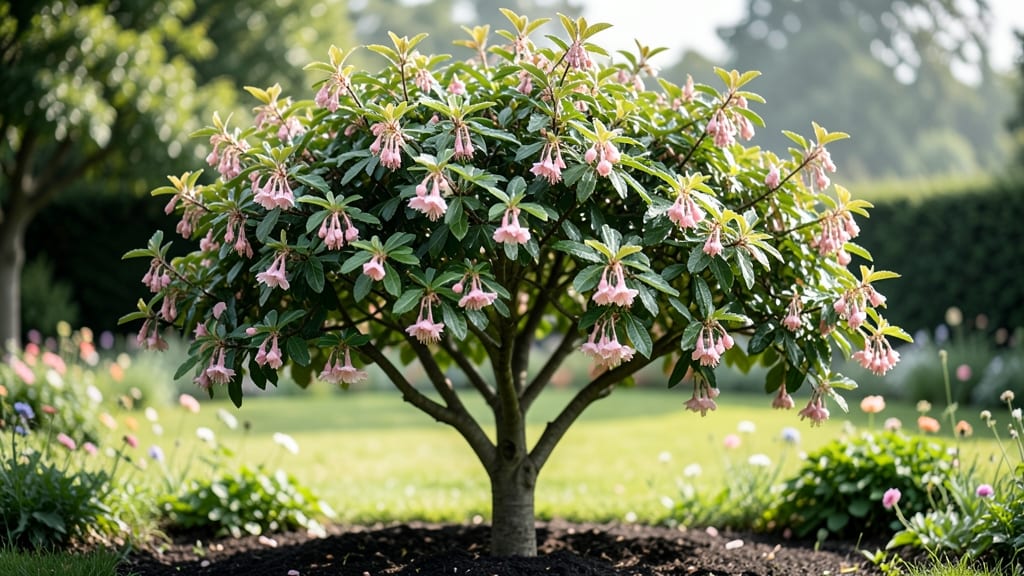
Pink plum trees like 'Pink Dawn' bring spring color to Zone 5 gardens with stunning pink blossoms that last for weeks. 🌸 I planted mine last April, and by May, the yard was alive with fragrant blooms—something I'd never seen in my previous shade-loving shrubs.
The secret to their success starts with the right location and soil prep, not just wishful thinking.
These trees thrive in full sun with well-draining soil, but they're surprisingly adaptable—even my heavy clay soil worked once I amended it with compost. Watering deeply once a week (more in summer heat) keeps roots happy without inviting pests.
The real game-changer? Pruning in late winter to shape the tree and remove dead wood. My first pruning session cut back wild growth, and now the branches form a perfect dome of pink.
By summer, you'll get lush green foliage that turns golden in fall, plus small (non-edible) fruit that birds adore. The tree stays compact—perfect for small yards—while still making a statement. With proper care, it lives for decades, rewarding you with more blooms each spring than you ever thought possible.
Zone 5 gardeners, take note: these trees handle our cold winters better than many fruit varieties, and they bloom earlier than roses. The only downside? Their short-lived flowers mean you'll want to plant one just for the show—trust me, your neighbors will notice.
📚 In This Guide
- What you need
- Instructions
- Tips and common mistakes
- Wrapping up and next steps
What you need
- ● Pruning shears: Bypass pruners (sharp, 6–8" blades) for clean cuts on small branches. 1 pair (sterilize with rubbing alcohol between cuts!).
- ● Loppers: Bypass or anvil-type (8–12" blades) for thicker branches (½–1.5" diameter). 1 pair.
- ○ Pruning saw: Curved-tooth hand saw for branches >1.5" in diameter. 1 saw (optional but handy!).
- ● Gloves: Heavy-duty, cut-resistant (e.g., leather or reinforced fabric) to protect hands from thorns and sap. 1 pair.
- ● Disinfectant: Rubbing alcohol (70%+), bleach solution (1:9 bleach:water), or commercial pruning sealant to prevent disease spread. Small bottle or spray.
- ● Ladder or step stool: Sturdy, non-slip (8–12 ft tall, depending on tree height). 1 unit.
- ● Trash bags or bucket: For collecting pruned branches. 2–3 bags (or a 5-gallon bucket).
- ● Sharpie or label markers: Waterproof for marking branches to remove (if planning ahead). 1–2 markers.
- ● Extension pole: For hard-to-reach branches (10–15 ft).
- ● Tree wound dressing: Pruning paste (controversial but useful for large cuts).
- ● Camera or sketchbook: To document the tree’s structure before pruning.
- ● Safety glasses: Protect your eyes from debris.
How to plant and care for pink plum trees in Zone 5
This cold-hardy beauty thrives with the right timing and attention—here's how to set it up for years of blossoms.
🌱 Step 1: Choose the Right Location and Planting Time
Pink plum trees love full sun—at least 6-8 hours daily—and need space to grow. I plant mine in early spring, once soil temperatures hit 55°F or warmer. The tree's roots establish best when daytime highs are steady above freezing, usually around late April in Zone 5.
Pick a spot with well-draining soil and avoid low areas where cold air pools. If your yard has heavy clay, amend with 2-3 inches of compost mixed into the top 12 inches of soil. The tree’s shallow roots will thank you for better aeration and drainage.
☀️ Step 2: Plant at the Correct Depth and Stake for Support
Dig a hole twice as wide as the root ball but only as deep. You’ll see the top of the root ball should sit 1-2 inches above ground level—this prevents waterlogging and rot. Gently loosen any circling roots with your fingers before placing the tree in the hole.
Backfill with native soil, tamping lightly every 4-6 inches to remove air pockets. Install a 4-5 foot stake at a 45-degree angle, tying the tree loosely to it with soft fabric strips. Water deeply to settle the soil, then mulch with 2-3 inches of organic mulch, keeping it 6 inches away from the trunk.
💧 Step 3: Water Deeply and Establish a Consistent Schedule
Newly planted pink plums need 1-2 inches of water weekly, but more during the first growing season. I water deeply 2-3 times per week until the soil feels moist 6 inches down. Use a moisture meter or stick your finger in—if it’s dry, water again.
After the first year, mature trees tolerate drought better but still need 1 inch of water weekly during dry spells. Avoid overhead watering once blooms appear—wet flowers attract fungal diseases. Instead, water at the base early in the morning.
✂️ Step 4: Prune for Shape and Health in Late Winter
Prune your pink plum in late winter or early spring, before buds swell but after the worst cold snaps. Remove dead, crossing, or inward-growing branches first. Then thin out 20% of the canopy to improve airflow and sunlight penetration.
Cut branches just outside the branch collar (the swollen area where the branch meets the trunk). Sterilize pruners between cuts with rubbing alcohol to prevent spreading disease. Avoid heavy pruning—this tree blooms on last year’s growth, so limit cuts to shaping rather than rejuvenation.
🌿 Step 5: Fertilize and Protect for Long-Term Success
Apply a balanced 10-10-10 fertilizer in early spring, spreading it evenly under the dripline. Lightly scratch it into the top 2 inches of soil, then water deeply. Repeat in mid-summer if new growth slows, but avoid fertilizing after July 1st—this encourages tender growth that won’t survive winter.
Watch for Japanese beetles and plum curculio in summer. Handpick beetles or use row covers early in the season. For curculio, wrap the trunk with tree collars to trap emerging adults. A healthy tree with good airflow resists most pests naturally.
Tips & tricks for perfect pink plum tree planting in Zone 5
Took me years to figure out the little things that make all the difference with pink plum trees—here's what I wish I'd known sooner.
Location Intelligence: That 6-8 hours of sun is non-negotiable, but here's the thing: south-facing spots get the most consistent sunlight. I planted mine near my kitchen window so I could monitor the sunlight hours easily. Also, avoid planting near large trees or buildings that might cast shadows during peak sun hours (10 AM to 2 PM).
Soil Preparation Secret: The 2-3 inches of compost recommendation is perfect, but don't just pile it on top—mix it into those top 12 inches of soil. I learned this the hard way when my first tree struggled in compacted clay. Use a garden fork to loosen the soil before adding compost, and consider adding a handful of perlite or sand if your soil feels too dense. This creates the ideal airy environment those shallow roots love.
Staking Strategy: The 4-5 foot stake is great, but the angle matters just as much. I now use a simple trick: drive the stake at a 45-degree angle, then tie the tree trunk to it about 6 inches above the ground. This creates a natural bend that helps the tree develop stronger trunk structure over time. Make sure to check the ties every few weeks—they can tighten as the tree grows.
Watering Watch: Those 2-3 waterings per week are crucial, but timing matters too. I water deeply in the morning so the soil has all day to dry out, which prevents fungal issues. Use a rain gauge or tuna can to measure your water—it's amazing how much we overestimate! And here's a pro move: water the soil, not the leaves, especially when blooms appear. I use a soaker hose buried slightly in the soil for perfect delivery.
Pro Tips for Plum Tree Pink
- Took me years to figure out the little things that make all the difference with pink plum trees—here's what I wish I'd known sooner.
- Location Intelligence: That 6-8 hours of sun is non-negotiable, but here's the thing: south-facing spots get the most consistent sunlight.
- Soil Preparation Secret: The 2-3 inches of compost recommendation is perfect, but don't just pile it on top—mix it into those top 12 inches of soil.
Frequently asked questions
When is the best time to plant a Plum Tree Pink in Zone 5?
The ideal window is early spring or fall—when soil temps are cool (50–60°F) but frost isn’t imminent. Planting in late April or early October gives roots time to establish before summer heat or winter freeze. Avoid planting in mid-summer, as extreme heat stresses young trees.
How cold-hardy is the Plum Tree Pink, and does it need winter protection?
This variety thrives in Zone 5 (down to -20°F), but young trees (<3 years old) benefit from mulch (4–6 inches of wood chips or straw) around the base. Mature trees handle winters well, but avoid pruning in late fall—wait until late winter to prevent frost damage to fresh cuts.
How often should I prune my Plum Tree Pink, and when?
Prune once a year in late winter (February–March) to remove dead wood, thin crowded branches, and shape the tree. Never prune in fall—it invites disease. For heavy bloomers, a light summer trim after flowering can encourage next year’s blossoms, but avoid over-pruning to prevent stress.
Why aren’t my Plum Tree Pink flowers attracting pollinators?
If bees or butterflies ignore your tree, check these fixes:
- Timing: Plums bloom early—ensure no late frosts zap flowers.
- Pesticides: Avoid harsh chemicals; opt for neem oil or insecticidal soap if pests are present.
- Water stress: Dry soil reduces scent; water deeply 1–2x/week during bloom.
- Companion plants: Add lavender, marigolds, or clover nearby to boost pollinator traffic.
Can I grow Plum Tree Pink in a container, or does it need ground planting?
While possible, Plum Tree Pink is not ideal for containers—its roots and size (15–20 ft tall) demand 6+ feet of soil depth. If space is limited, choose a dwarf variety (like ‘Santa Rosa’) or a half-barrel (30+ gallons) with excellent drainage. Containers dry out fast; water daily in summer.
My tree’s leaves are yellowing—what’s wrong?
Yellow leaves often signal:
- Overwatering: Check soil moisture; plums hate soggy roots.
- Nutrient deficiency: Apply balanced fertilizer (10-10-10) in early spring.
- Fungal issues: If yellow + brown spots appear, prune affected branches and treat with copper fungicide.
- Transplant shock: If recent planting, wait 4–6 weeks before fertilizing.
Pro tip: Test soil pH (ideal: 6.0–6.5)—too acidic or alkaline can stunt growth.
Wrapping up and next steps
Growing a Plum Tree Pink in your Zone 5 garden isn’t just about adding beauty—it’s about embracing resilience and reward.
With the right pruning techniques, you’ll encourage vibrant blooms, stronger structure, and bountiful fruit for years to come. Your efforts today will pay off with stunning pink blossoms and delicious harvests tomorrow!
Ready to take the next step? Start small—pick one pruning task from this guide and schedule it for a crisp winter day. Before you know it, your Plum Tree Pink will be thriving, and you’ll be the proud gardener of a standout centerpiece. Happy pruning! 🌸✂️