
Pruning
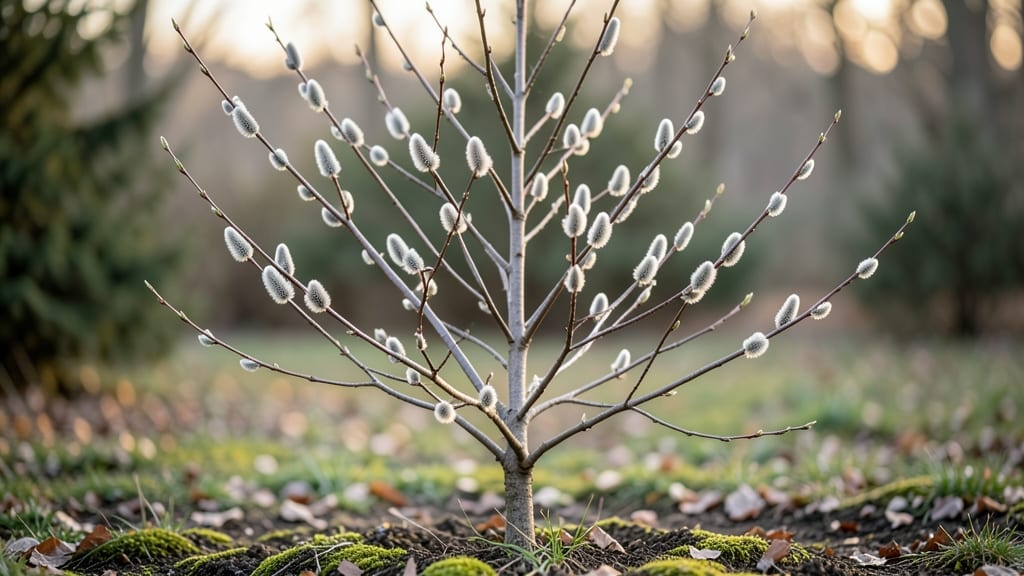
The pussywillow tree care secret to those fuzzy spring blooms? Fast growth—and the right pruning turns a sleepy shrub into a blooming powerhouse. 🌱 I’ve pruned mine for years, and the right cuts in late winter mean those iconic catkins arrive weeks earlier than neighbors’ trees. The key?
Timing, sharp tools, and understanding how these willows respond to stress (hint: they don’t). These trees thrive in wet soil and full sun, but their real magic happens after pruning. Cut back one-third of the oldest stems to the ground in late winter, and you’ll trigger vigorous new shoots.
The result? A denser, more productive tree by mid-May, with fewer weak branches. Just avoid pruning in fall—it invites disease. What you’ll end up with is a tree that looks like it’s been growing for decades, even if it’s young.
The blooms arrive 2-3 weeks ahead, and the foliage stays lush all season. Plus, you skip the messy suckers that pop up when you neglect pruning. Works for both swampy backyard spots and container growing. Here’s how to do it right—without turning your yard into a willow jungle.
📚 In This Guide
- What you need
- Instructions
- Tips and common mistakes
- Wrapping up and next steps
What you need
- ● Pruning shears – Bypass pruners (sharp, clean, and at least 6–8 inches long) for small branches.
- ● Loppers – For thicker branches (up to 2 inches in diameter); choose bypass-style for precision cuts.
- ● Pruning saw – A curved-tooth saw for branches over 2 inches thick (avoid tearing the bark!).
- ● Gloves – Heavy-duty, cut-resistant gloves (pussywillows can be spiky!).
- ● Disinfectant – 70% isopropyl alcohol or a 10% bleach solution to sterilize tools between cuts (prevents disease!).
- ● Rubbing alcohol or hand sanitizer – For cleaning your hands after handling sap or thorns.
- ● Heavy-duty trash bags – For hauling pruned branches (aim for 30–50 gallon capacity if tackling large trees).
- ● Ladder or extension pole – A stable, 3–4 section ladder (or a 12–16 ft telescoping pole) for high branches.
- ● Safety glasses – To shield your eyes from debris and sap splatters.
- ● Pruning sealant – Tree wound dressing (like Tanglefoot Tree Sealant) for large cuts (controversial but useful in some cases).
- ● Marking spray – Bright-colored spray paint to mark branches for removal (great for large-scale pruning!).
- ● Knee pads – If you’re working on the ground near the tree base.
- ● Work apron or tool belt – To keep shears and loppers handy while you work.
- ● Pruning rope – For lowering heavy branches safely (if you’re solo!).
Step-by-step pruning guide for pussywillow trees
Here’s how I transform leggy, slow-growing pussywillows into vigorous, early-blooming trees with just a few strategic cuts.
✂️ Step 1: Time Your Pruning for Maximum Growth
Prune your pussywillow in late winter or early spring, just as buds begin to swell but before new growth starts. This timing ensures the tree puts all its energy into producing fresh, strong branches and those iconic fuzzy catkins. If you prune too early, you risk encouraging late-season growth that won’t harden off before winter. Wait until you see buds plump up slightly—that’s your cue.
I avoid pruning in fall because new growth won’t have time to mature before cold weather sets in. A good rule of thumb: prune when your forsythia starts blooming nearby. That’s nature’s signal the tree’s about to wake up.
✂️ Step 2: Remove Dead or Weak Branches First
Start by cutting out any dead, diseased, or crossing branches—these are the first to slow down your tree’s growth. Use clean, sharp pruners to make 45-degree cuts just above a outward-facing bud. This angle helps water run off the branch and prevents rot. If a branch is thicker than your wrist, use a pruning saw instead.
Look for branches that rub against each other or grow inward—they’ll compete for sunlight and nutrients. Removing them opens up the canopy, letting light reach the center of the tree. This is where you’ll see the biggest improvement in next year’s blooms.
☀️ Step 3: Thin Out Excess Growth for Airflow
Next, thin out overcrowded branches to improve airflow and sunlight penetration. Aim to keep the tree’s shape open rather than dense. Cut back branches that are growing straight up—these often become weak and leggy. Instead, encourage outward-growing branches by pruning just above a bud that faces the outside of the tree.
I like to step back every few cuts and visualize the tree’s future shape. Pussywillows respond well to an open, vase-like structure, so don’t be afraid to remove up to 25% of the tree’s foliage if it’s overgrown. The more light and air that reach the center, the faster it’ll grow—and the more catkins you’ll get next spring.
✂️ Step 4: Prune for Height Control (Optional)
If your pussywillow is getting too tall, you can lightly prune the top to encourage bushier growth. Cut back the tallest branches by about 1/3 to promote branching lower on the stem. This is where you’ll see the fastest response—new shoots will sprout from the cut points, filling out the tree’s shape.
Here’s the thing—pussywillows are fast growers, so resist the urge to prune too aggressively. Over-pruning can stress the tree and slow down that fast spring growth you’re after. A little strategic cutting goes a long way.
💧 Step 5: Post-Pruning Care for Strong Recovery
After pruning, give your tree a deep watering to help it recover. The roots will need to support all that new growth, so make sure the soil stays moist but not soggy for the first few weeks. Mulch around the base with 2-3 inches of organic mulch (like shredded bark) to retain moisture and protect roots from temperature swings.
I also avoid fertilizing right after pruning—let the tree focus on healing first. Wait until new leaves appear before adding any slow-release fertilizer. This ensures the tree puts energy into growing strong, cold-hardy branches instead of just leafy growth.
Tips & tricks for perfect pussywillow pruning
These simple but powerful tricks will help you prune your pussywillow like a pro—and get those fuzzy catkins blooming faster than ever.
Timing is Everything: I can't stress this enough—pruning in late winter or early spring when buds begin to swell is non-negotiable. That slight plumping of the buds is your green light. If you're unsure, check your forsythia bushes—they bloom right around the same time your pussywillow is ready for pruning. This timing ensures all that new growth will harden off properly before winter, setting you up for next year's spectacular display.
Tool Prep Makes All the Difference: Before you start cutting, take 5 minutes to clean and sharpen your pruners. Dull tools crush branches instead of making clean cuts, which can damage the tree's healing process. I also like to disinfect my tools with rubbing alcohol between cuts on different branches—this prevents spreading any potential diseases hiding in the tree. For thicker branches, having a pruning saw on hand saves you from struggling with your shears.
The 25% Rule for Pruning: Remember when I mentioned removing up to 25% of the foliage? That's not just a suggestion—it's a science-backed guideline. Pussywillows respond incredibly well to this amount of pruning because it opens up the canopy without stressing the tree. Think of it like giving your tree a spa day—less competition for sunlight and nutrients means stronger, healthier branches that'll produce more of those fuzzy catkins you love. And here's a pro move: step back every few cuts to visualize the tree's shape.
Post-Pruning Recovery Boost: After you've finished pruning, don't just walk away. Give your tree that deep watering right away—think of it as a recovery drink after a workout. The roots need to support all that new growth, so keep the soil moist (but not soggy) for the first few weeks. I also like to add a 2-3 inch layer of organic mulch around the base. This isn't just about looks—it helps retain moisture and protects those roots from temperature swings that could stress your tree during its recovery phase.
Pro Tips for Pussywillow Tree Care
- These simple but powerful tricks will help you prune your pussywillow like a pro—and get those fuzzy catkins blooming faster than ever.
- Timing is Everything: I can't stress this enough—pruning in late winter or early spring when buds begin to swell is non-negotiable.
- Tool Prep Makes All the Difference: Before you start cutting, take 5 minutes to clean and sharpen your pruners.
Frequently asked questions
Got questions about keeping your pussywillow (or "pussy willow") thriving? Here are some of the most common concerns—plus quick, practical solutions to keep your tree happy and blooming!
When is the best time to prune a pussywillow tree for maximum spring growth?
The ideal window is late winter to early spring (just before buds swell), around February–March. This timing ensures you remove dead wood while stimulating fresh growth for those iconic fuzzy catkins. Never prune in fall—it can leave cuts vulnerable to disease over winter.
How cold-hardy are pussywillow trees, and can they survive harsh winters?
Pussywillows are tough as nails—they thrive in USDA Zones 3–9 and handle temps down to -40°F (-40°C). Young trees benefit from mulch (2–3 inches) around the base to insulate roots. If your area gets extreme wind, consider staking to prevent breakage.
Can I prune pussywillow branches in summer, or should I wait?
Summer pruning is not recommended—it stresses the tree and can reduce next year’s catkin production. If you must trim (e.g., for safety), do it after flowering (late spring) and keep cuts to no more than 25% of the canopy. Focus on removing only dead or diseased wood.
What if my pussywillow isn’t blooming? How can I encourage more fuzzy catkins?
Fewer catkins often mean too much shade or over-pruning. Try these fixes:
- Full sun (6+ hours/day)—catkins need light to form.
- Light pruning in late winter to open the canopy.
- Balanced fertilizer (10-10-10) in early spring.
- Water deeply during droughts (1–1.5 inches/week).
Are pussywillow trees good for small yards, or do they get too large?
Most varieties stay 15–25 feet tall, making them great for medium-sized yards. For tighter spaces, choose ‘Nana’ (dwarf pussywillow), which maxes out at 6–8 feet. Prune annually to control shape—just avoid topping (cutting the main stem), as it weakens growth.
Wrapping up and next steps
Caring for your pussywillow tree is all about patience, timing, and a little elbow grease—but the rewards are worth it! 🌸 With the right tools, proper pruning techniques, and a dash of seasonal TLC, your tree will burst into life each spring, gracing your yard with its iconic fuzzy catkins.
Now that you’re armed with expert tips, roll up your sleeves and give your pussywillow the love it deserves.
Ready to see those vibrant blooms? Start by scheduling your first pruning session this winter—just remember: sharp tools, safety first! Happy gardening! 🌿✨