
Trees
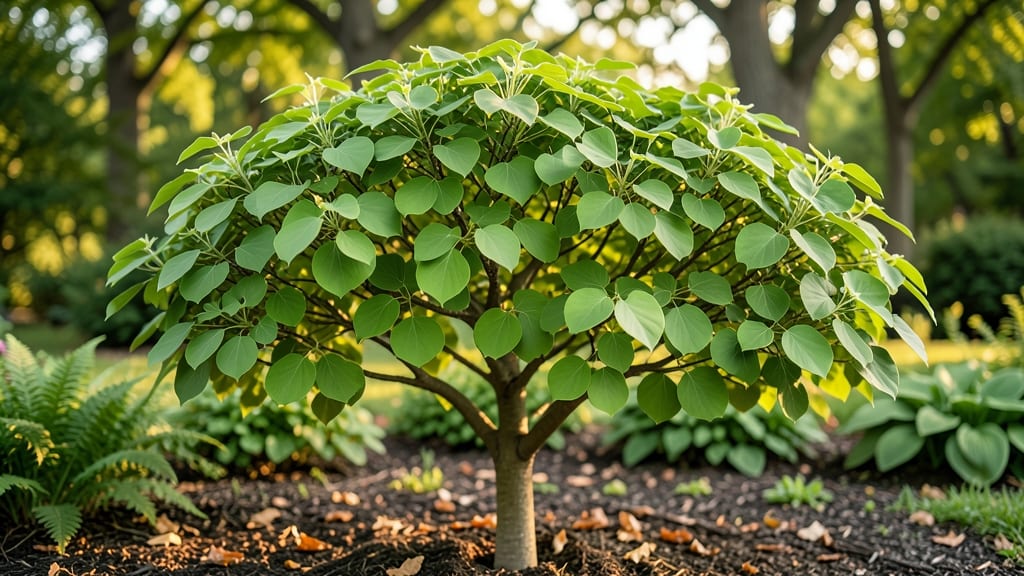
The first dramatic splash of color in spring comes from redbud trees with their iconic heart-shaped leaves. 🌸 I've planted mine as a focal point under my front window, where the pink blooms light up the yard before anything else emerges.
The way those leaves unfurl—first fuzzy, then smooth and glossy—feels like nature's own greeting card. These trees thrive in partial shade to full sun, making them perfect for borders, small gardens, or as a standout specimen.
Pair them with spring bulbs like daffodils or tulips for a layered effect, or let them shine solo as a low-maintenance centerpiece. Just water them deeply the first year to help roots establish—after that, they're basically set-and-forget.
📚 In This Guide
- What you need
- Instructions
- Tips and common mistakes
- Wrapping up and next steps
What you need
- ● Redbud tree seeds or saplings: Seeds: 10–20 (for sowing directly) or 1–2 (for indoor germination)
- ● Saplings: 1–3 (for transplanting, 10–20 ft tall for mature trees)
- ● Well-draining soil: Mix of native soil + compost (ratio 3:1)
- ● Sunlight exposure: Full sun to partial shade (6+ hours of sunlight daily)
- ● Watering can or hose: With a gentle spray nozzle (for seedlings)
- ● Mulch: 2–3 inches of organic mulch (shredded bark or wood chips)
- ● Garden gloves: Heavy-duty for handling soil or saplings
- ● Hand trowel or spade: For digging holes (6–12 inches deep for saplings)
- ○ Pruning shears: Sharp, sterilized shears for trimming (optional for shaping)
- ○ Fertilizer: Slow-release, balanced fertilizer (10-10-10 ratio, optional for established trees)
- ○ Tree stakes & ties: For young saplings in windy areas (optional)
- ● Pest control: Neem oil or insecticidal soap (if aphids or pests appear)
- ● Plant markers: Biodegradable labels to track seedlings (cute heart-shaped ones for fun!)
How to plant and care for a redbud tree with heart-shaped leaves
Here’s how to welcome spring’s showstopper into your landscape—this stunning tree thrives with just a few key steps.
🌱 Step 1: Choose the Perfect Planting Spot
Redbuds love full sun to partial shade—at least 4-6 hours of sun daily—but they tolerate light shade in hotter climates. The heart-shaped leaves shine brightest when planted where they’ll get morning sun and afternoon dappled light. Avoid low spots where water pools, as soggy roots invite disease.
Test your site by watching how sunlight moves across the area for a full day. The ideal spot will have well-draining soil and 6-8 feet of clearance from sidewalks or structures. Redbuds grow 20-30 feet tall, so plan for their mature size now.
🪴 Step 2: Dig a Hole Twice as Wide as the Root Ball
Use a shovel to dig a hole 2-3 times wider than the tree’s root ball but only as deep as the container’s bottom. Loosen the sides of the hole with your shovel to encourage root spread. I always tap the sides gently—this prevents compaction that could strangle young roots.
Gently remove the tree from its container and tease the roots outward if they’re circling. Place the tree in the hole so the top of the root ball sits 1-2 inches above ground level. This prevents water from pooling around the trunk. Fill the hole halfway with native soil, then water deeply to settle it.
☀️ Step 3: Mulch and Water for Strong Establishment
Spread 2-3 inches of mulch (wood chips or bark) over the soil surface, keeping it 6 inches away from the trunk to prevent rot. Water the tree deeply every 2-3 days until new growth appears—about 1-2 gallons per watering. You’ll know it’s enough when water drains through to the bottom of the hole.
Redbuds are drought-tolerant once established, but young trees need consistent moisture. Watch for wilting leaves or dry soil 2 inches down—these are your cues to water. Avoid wetting the foliage to prevent fungal diseases.
✂️ Step 4: Prune in Late Winter for Healthier Blooms
Prune your redbud in late winter or early spring, just before buds swell. Remove any dead, crossing, or rubbing branches first—these compete for energy. Then, cut back any suckers growing from the base to redirect growth upward. Redbuds bloom on old wood, so avoid heavy pruning after flowering.
Use clean, sharp pruners to make cuts at a 45-degree angle just above a bud. You’ll see new growth emerge within 2-3 weeks—this is your sign the tree is recovering well. Never remove more than 25% of the canopy in one season.
🌿 Step 5: Fertilize Lightly in Early Spring
Apply a balanced, slow-release fertilizer (10-10-10) in early spring, just as buds begin to swell. Sprinkle ½ cup around the drip line (the edge of the tree’s canopy) and water it in thoroughly. Redbuds are light feeders—too much fertilizer encourages leafy growth at the expense of those stunning pink blooms.
Monitor the tree for yellowing leaves or excessive new growth, which can signal over-fertilization. If you see these signs, flush the soil with extra water to leach out excess nutrients. Healthy redbuds need minimal care once established—just watch for pests like aphids or spider mites and treat with neem oil if needed.
Tips & tricks for perfect redbud tree planting
Here's what nobody tells you about getting your redbud tree off to the best possible start.
Sunlight Strategy: While redbuds tolerate partial shade, the 4-6 hours of sun in Step 1 is non-negotiable for those signature pink blooms. I've seen trees in shadier spots produce fewer flowers—morning sun is especially critical. If your yard has limited sun, choose a spot where the tree gets at least the morning sunlight, even if afternoon shade is unavoidable.
Root Ball Rescue: In Step 2, when you're loosening those roots, don't just pull them apart—gently spread them outward like fingers. I learned this the hard way after watching roots circle back on themselves. This encourages outward growth that anchors your tree better. If the roots are tightly bound, you can even make a few small vertical cuts with a clean knife to help them spread.
Watering Wisdom: The 2-3 days between waterings in Step 3 might seem like a wide range, but it's actually precise. In hot weather, you'll need to water every 2 days; in cooler weather, every 3 days works. The key is checking that 2-inch soil depth
Pruning Precision: When you're pruning in Step 4, focus on removing branches that are crossing or growing inward. These compete for sunlight and nutrients. I always make my cuts just above a bud at a 45-degree angle—this helps water run off the cut and prevents rot. And remember, those pink blooms come from last year's growth, so don't trim back too much after flowering season.
Pro Tips for Redbud Tree With Heart Shaped Leaves
- Here's what nobody tells you about getting your redbud tree off to the best possible start.
- Sunlight Strategy: While redbuds tolerate partial shade, the 4-6 hours of sun in Step 1 is non-negotiable for those s...
- Root Ball Rescue: In Step 2, when you're loosening those roots, don't just pull them apart—gently spread them outward...
Frequently asked questions
Got questions about your redbud tree with heart-shaped leaves? You’re not alone! Here are some of the most common queries—and their answers—to help you grow and enjoy this stunning spring star.
When do redbud trees bloom, and how long does the show last?
Redbuds are spring’s early bloomers! They typically burst into color in late winter to early spring (February–April, depending on your climate). The vibrant pink or purple flowers last 1–2 weeks, but the heart-shaped leaves emerge shortly after, adding lush green foliage for months. Pro tip: Plant near a window or path to enjoy the fleeting but dramatic display!
Are redbud trees cold-hardy, and where should I plant them?
Yes! Most redbud varieties thrive in USDA Zones 4–9, making them versatile for many climates. Choose a spot with full sun to partial shade and well-draining soil. Avoid low-lying areas where water pools—redbuds hate soggy roots. Bonus: Their shallow roots make them great for small gardens or urban landscapes!
Why aren’t my redbud leaves heart-shaped, or are they misshapen?
Healthy redbud leaves should be heart-shaped (cordate), but environmental stressors can cause issues. Possible culprits:
- Pests: Aphids or spider mites may distort new growth. Spray with water or use insecticidal soap.
- Disease: Fungal issues (like powdery mildew) can warp leaves. Prune affected branches and improve airflow.
- Nutrient deficiency: Yellowing or stunted leaves? Test soil and amend with compost or fertilizer.
If the problem persists, consult a local arborist for a diagnosis.
Can I grow a redbud tree in a container, or does it need to be planted in the ground?
Redbuds prefer ground planting due to their spreading roots, but young trees (1–2 years old) can thrive in large containers (15+ gallons). Use a fast-draining potting mix and repot every 2–3 years. Warning: Container-grown redbuds may bloom less vigorously and have a shorter lifespan. For best results, plant outdoors after 2–3 years!
Are there redbud tree alternatives with heart-shaped leaves for different climates?
If redbuds don’t suit your zone, try these heart-leafed beauties:
Tree
Zone Range
Key Features
Eastern Redbud (Cercis canadensis)
4–9
Classic pink blooms, reliable hardiness.
Western Redbud (Cercis occidentalis)
5–9
Drought-tolerant, lavender flowers, smaller size.
Japanese Tree Lilac (Syringa reticulata)
3–8
Fragrant blooms, heart-shaped leaves, cold-resistant.
Coralberry (Symphoricarpos orbiculatus)
3–9
Tough shrub with heart-shaped leaves, pink berries.
Pro tip: Check local nurseries for native varieties—they’ll adapt better to your ecosystem!
Wrapping up and next steps
The redbud tree with its iconic heart-shaped leaves is nature’s way of announcing spring with a burst of color and charm. Whether you’re drawn to its vibrant blooms, easy care, or symbolic beauty, this tree is a fantastic addition to gardens, landscapes, or even urban spaces.
Ready to bring a touch of whimsy and life to your outdoor haven?
🌱 Next step: Research local nurseries or trusted online sellers to find the perfect redbud variety for your climate and space. Then, roll up your sleeves—planting one is the first step toward a season of joy!