
Size
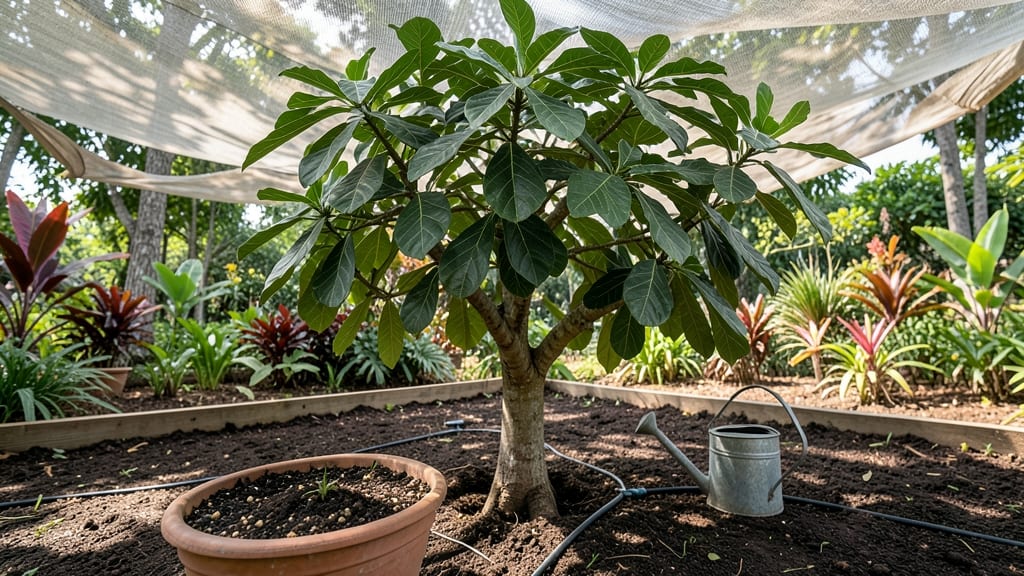
Growing a soursop guanabana tree to enjoy this unique tropical fruit at home means bringing vibrant flavors to your backyard—if you nail the climate and care. 🌿 The key is mimicking its native conditions: warm year-round, high humidity, and rich soil that drains well.
Without these, your tree will struggle or even die, no matter how much you water it.
I learned the hard way that soursops hate cold—they’ll drop leaves at 50°F and may not recover. Start with a young tree from a nursery (not seeds, unless you’re patient for 10+ years), and plant it in a spot with 6+ hours of morning sun and afternoon shade.
The soil mix should be 60% well-draining potting mix and 40% compost, with a handful of sand to prevent root rot.
Once established, you’ll see glossy green leaves and, in 3–5 years, those custard-like fruits that taste like pineapple, mango, and strawberry combined. The tree grows 15–30 feet tall, so plan for space—or keep it pruned as a shrub for easier harvests.
For indoor growers, a large container (20+ gallons) and a grow light work, but expect slower growth. Watch for scale insects and mealybugs—neem oil sprays keep them away. Patience is key: soursops take time, but the first ripe fruit makes it all worth it.
Common Reasons Soursop Trees Struggle
Growing a soursop (Annona muricata) tree at home can be incredibly rewarding, but like any tropical plant, it faces challenges that may hinder its growth or fruit production.
Understanding why these issues occur is the first step to fixing them. Below, we break down the most common culprits—from environmental factors to care mistakes—and explain the science behind them.
---
Soursop trees are tropical heat-lovers and cannot tolerate temperatures below 35°F (2°C).
Even brief exposure to frost or chilly drafts can cause: - Leaf browning or wilting (cold damage disrupts cell membranes, leading to dehydration). - Stunted growth (metabolic processes slow down in cooler temps, halting development). - Premature fruit drop (cold stress triggers ethylene production, a hormone that signals aging and detachment).
Why it happens: - Soursop trees originate in Central and South America, where they thrive in warm, humid climates (68–86°F / 20–30°C). - Cold snaps or indoor AC drafts can mimic winter conditions, shocking the plant. - Poor insulation (e.g., potted trees near doors/windows) accelerates heat loss.
Actionable fix: 🌡️ Keep temps consistent—use a space heater in winter or move potted trees indoors if nighttime temps dip. 🌿 Mulch the soil (with straw or coconut coir) to retain warmth. ⚠️ Avoid sudden temperature swings—never place trees near vents or drafty areas.
---
Soursop trees hate soggy roots—excess moisture leads to: - Root rot (Phytophthora or Fusarium fungi thrive in waterlogged soil, blocking nutrient uptake). - Yellowing leaves (chlorosis from oxygen deprivation in roots). - Falling flowers/fruit (stressed roots can’t support reproductive energy).
Why it happens: - Clay-heavy or compacted soil prevents water evaporation, keeping roots damp. - Overzealous watering (especially in humid climates) drowns roots instead of hydrating them. - Lack of drainage holes in pots traps excess water, mimicking a swampy environment.
Actionable fix: 💧 Water deeply but infrequently—only when the top 2 inches of soil are dry (stick your finger in to check!). 🏗️ Amend soil with perlite or sand (50% potting mix + 50% coarse material) for better aeration. ⚠️ Use pots with drainage holes—or elevate containers on saucers to prevent water pooling.
---
Soursop trees need bright, indirect light (6–8 hours daily), but intense direct sun or shade deprivation can backfire: - Sunburn (white/yellow leaf patches) from harsh afternoon rays (common in USDA Zones 10–11 without acclimation). - Leggy, weak stems from stretching toward light (etiolation), making trees prone to falling. - No flowering/fruiting—low light reduces photosynthesis, starving the tree of energy for reproduction.
Why it happens: - Young trees lack protective leaf wax, making them vulnerable to UV damage. - Indoor growers often place trees too far from windows, limiting light exposure. - Outdoor shade (from buildings or other plants) blocks critical blue light wavelengths, which trigger flowering.
Actionable fix: ☀️ Gradually acclimate outdoor trees to full sun (start with morning sun only, then increase exposure). 🏠 Use grow lights (LED full-spectrum bulbs) for indoor trees—12–14 hours/day in winter. 🌳 Prune nearby shade sources (e.g., tall palms or fences) to ensure dappled sunlight reaches the canopy.
--- Soursop trees are heavy feeders but sensitive to salt buildup from fertilizers.
Common deficiencies include: - Magnesium deficiency (yellow patches between leaf veins—chlorosis). - Nitrogen excess (lush green leaves but no fruit, as energy goes to foliage instead of flowers). - Potassium shortage (weak stems, fruit drop, or poor flavor development).
Why it happens: - Improper fertilizer ratios (too much nitrogen, too little potassium/phosphorus). - Over-fertilizing (especially with synthetic blends) burns roots and disrupts microbial soil life. - Poor soil testing—many tropical soils lack organic matter, making nutrients unavailable.
Actionable fix: 📊 Test soil pH (ideal: 6.0–7.0)—use a citric acid-based fertilizer (like for citrus) to mimic natural tropical conditions. 🍃 Use organic amendments (composted manure, banana peels for potassium, or fish emulsion for nitrogen). ⚠️ Fertilize in 3 phases: 1. Spring (new growth): High nitrogen (20-10-10). 2. Summer (flowering): Balanced NPK (10-10-10) + calcium (egg shells) to prevent blossom end rot. 3. Fall (fruit ripening): Potassium-rich (5-10-15) to sweeten fruit.
--- Soursop trees attract sap-sucking pests and fungal pathogens due to their soft, broad leaves and high humidity needs.
Watch for: - Mealybugs & scale insects (leave sticky honeydew, attracting sooty mold). - Anthracnose fungus (dark spots on leaves/fruit, caused by overhead watering). - Root-knot nematodes (galls on roots, stunting growth).
Why it happens: - Weakened trees (from stress like drought or poor soil) are easier targets. - High humidity + poor airflow creates the perfect petri dish for fungal spread. - Potted trees in greenhouses or conservatories trap pests with no natural predators.
Actionable fix: 🐜 Inspect leaves weekly—wipe off pests with neem oil or insecticidal soap. 🌿 Prune for airflow—remove dense branches to reduce humidity pockets. 💧 Water at the base (avoid wetting foliage to prevent anthracnose). 🔄 Rotate organic pest controls: - Beneficial nematodes (for soil-dwelling pests). - Ladybugs (release them to eat aphids). - Copper fungicide (for anthracnose, apply preventatively in rainy seasons).
Revive Your Guanabana Tree
Growing a soursop (guanabana) tree at home can be incredibly rewarding, but like any tropical plant, it faces challenges. Whether your tree is struggling with pests, diseases, or environmental stress, these practical solutions will help you diagnose and fix common issues—so you can enjoy a thriving tree and delicious fruit.
Let’s get your guanabana back on track!
---
Pests like mealybugs, aphids, and scale insects can drain your tree’s energy, stunting growth and reducing fruit production. Here’s how to tackle them:
#### 🔥 Identify the Pest First, inspect your tree closely. Look for: - White, cottony clusters (mealybugs) - Sticky residue on leaves (aphids) - Hard, shell-like bumps (scale insects)
#### 🍳 Natural Remedies for Immediate Relief 1. Neem Oil Spray (Best for all pests) - Mix 1 tsp neem oil + 1 tsp mild soap + 1 quart water. - Spray early morning or late evening to avoid harming bees. - Repeat every 5–7 days until pests disappear.
2. Alcohol Wipe-Down (For small infestations) - Dip a cotton swab in 70% isopropyl alcohol and wipe off visible pests. - Works best on young shoots and leaves.
3. Introduce Beneficial Insects - Ladybugs and lacewings eat aphids naturally. Buy them online or from garden centers.
#### 🌡️ Prevention Tips - Prune regularly to improve airflow and reduce hiding spots. - Avoid overwatering—pests love damp, crowded conditions. - Inspect new plants before bringing them home.
---
Fungal issues like powdery mildew, root rot, or anthracnose can turn your guanabana’s lush foliage into a sad, yellowing mess. Here’s how to stop the spread:
#### 💡 Diagnose the Problem - Powdery Mildew: White, powdery patches on leaves. - Root Rot: Yellow leaves, mushy stems, and a foul smell at the base. - Anthracnose: Dark spots with yellow halos on leaves/fruit.
#### ✨ Solutions for Each Fungal Foe 1. Powdery Mildew - Baking Soda Spray: Mix 1 tbsp baking soda + 1 tsp soap + 1 gallon water. Spray weekly. - Improve airflow by pruning dense branches.
2. Root Rot - Stop watering immediately—let the soil dry out. - Repot in fresh, well-draining soil (add perlite or sand). - Trim affected roots with sterilized scissors.
3. Anthracnose - Copper fungicide spray (follow label instructions). - Remove and destroy infected leaves to prevent spread.
#### 🎯 Prevention Tips - Water at the base (avoid wetting leaves). - Space plants 6+ feet apart for better airflow. - Sterilize pruning tools with rubbing alcohol.
---
If your guanabana tree looks wilted, droopy, or stops flowering, it might be struggling with light, temperature, or soil issues. Here’s how to fix it:
#### 🌿 Light & Temperature Fixes - Not Enough Sun? Move to a south-facing window or use grow lights (12+ hours/day). - Too Cold? Guanabanas hate drafts and temps below 60°F (15°C).
Keep indoors or in a greenhouse. - Too Hot/Dry? Mist leaves daily or use a pebble tray for humidity.
#### 🥗 Soil & Watering Solutions - Compacted or Poor Soil? - Repot in well-draining mix: 60% potting soil + 30% perlite + 10% compost. - Add slow-release fertilizer (balanced 10-10-10) every 2 months.
- Overwatering or Underwatering? - Check soil moisture: Stick your finger 2 inches deep—water only if dry. - Drainage is key: Ensure pots have holes and saucers underneath.
#### 💡 Pro Tips for Fast Recovery - Fertilize lightly during recovery (half-strength solution). - Prune dead branches to redirect energy. - Rotate the pot weekly for even sunlight exposure.
---
Yellow leaves, stunted growth, or poor flowering? Your guanabana might be nutrient-deficient. Here’s how to balance it:
| Symptom | Likely Deficiency | Solution | |---------------------------|----------------------|--------------| | Yellow leaves (oldest first) | Nitrogen (N) | Use blood meal or fish emulsion (high in N). | | Yellow leaves (new growth) | Iron (Fe) | Apply chelated iron spray or amend soil with Epsom salt (1 tbsp/gallon water). | | Purple stems/leaves | Phosphorus (P) | Use bone meal or rock phosphate fertilizer. | | Weak, slow growth | Potassium (K) | Add potassium sulfate or banana peel tea. |
#### 🌱 Prevention Tips - Test soil every 6 months (use a DIY kit or lab test). - Avoid over-fertilizing—stick to monthly feedings in growing season. - Compost tea (homemade or store-bought) boosts microbes and nutrients.
--- Final Thought: With these targeted fixes, your guanabana tree should bounce back stronger than ever. Patience is key—tropical trees like consistency, so stick with the care routine, and soon you’ll be harvesting juicy, creamy soursops right from your backyard! 🍈✨
Frequently asked questions
How long does it take for a soursop tree to bear fruit?
With proper care, a soursop tree typically takes 3–5 years to produce its first fruit. Young trees focus on root and leaf growth before flowering. If your tree isn't fruiting after 5 years, check for low light, poor nutrition, or temperature stress—these are the most common culprits. Patience is key, but healthy trees can live for decades and produce fruit for years!
Can I grow a soursop tree from seed, or should I buy a young tree?
While you can grow from seed, it takes 10+ years to fruit—much longer than buying a 1–2 year-old nursery tree. Seeds also produce less predictable fruit quality. For faster results, choose a grafted tree (they fruit sooner and more reliably). If you're determined to try seeds, soak them in warm water for 24 hours before planting in a warm, humid environment.
What's the best way to pollinate a soursop tree for fruit?
Soursop trees are self-pollinating, but you can boost fruit production by gently shaking branches during morning hours when bees are active. For indoor trees, use a small paintbrush to transfer pollen between flowers. Avoid over-pollinating—too many flowers can stress the tree. If your tree flowers but drops them, it may need more phosphorus (bone meal fertilizer) or better humidity.
How do I know when a soursop is ripe?
Ripe soursops are heavy for their size, with a slightly soft but not mushy texture. The skin should yield slightly when pressed with your thumb, and it may develop a few small cracks. If you tap it and hear a dull thud (not a hollow sound), it's ready! Unripe fruit is hard and green inside, while overripe fruit is mushy and fermented. Store ripe fruit in the fridge for 3–5 days.
Can I grow a soursop tree in a container, and how big should the pot be?
Yes! Soursop trees thrive in containers if given enough space. Start with a 20+ gallon pot (24" diameter minimum) for young trees, and upgrade to 30+ gallons as they grow. Use a mix of 60% potting soil, 30% perlite, and 10% compost, and ensure the pot has drainage holes. Mature trees in containers may need repotting every 2–3 years—prune roots gently during this process.