
Pests and Diseases
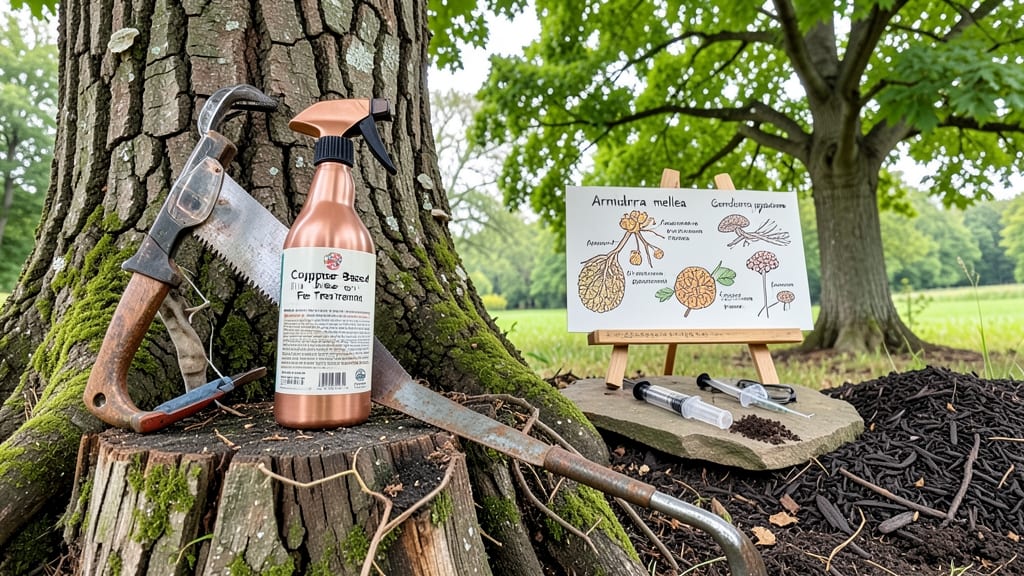
When tree fungus and rot treatment specialists see a trunk oozing dark sap or mushrooms sprouting overnight, it’s not just a cosmetic issue—it’s a fungal invasion that can kill your tree in months. 🌳 I’ve seen heart rot turn a century-old oak into a hazard in just two seasons, but copper treatments and mycorrhizal boosts can turn the tide if you act fast.
The key? Spotting the signs early and knowing which treatments work for root rot versus powdery mildew.
Most gardeners wait too long, thinking pruning alone will fix the problem. It won’t. Root rot thrives in soggy soil, while heart rot spreads through cracks in the bark—both need targeted solutions. Copper fungicides stop spores in their tracks, but mycorrhizal fungi rebuild the tree’s defenses from the roots up.
The combo works better than either alone, and it’s safer for your yard than harsh chemicals.
You’ll save your tree by cutting away infected wood first, then applying copper spray to exposed areas. Add mycorrhizal granules to the soil to strengthen the root system, and watch new growth push out within weeks.
The trick is consistency—fungus doesn’t disappear overnight, but with regular checks and treatments, you can outlast it.
For advanced cases, call an arborist before the tree becomes a liability. But for early-stage infections? This method has saved dozens of trees in my neighborhood—and it’s something you can start today with supplies from any garden center. Let’s get your tree fighting back.
Root Causes of Tree Decay
Tree rot and fungal infections don’t happen by accident—they’re the result of a perfect storm of environmental, biological, and human factors. Understanding these root causes is the first step to preventing or treating them effectively. Below, we break down the most common triggers, backed by science and actionable insights.
Fungi thrive in damp conditions, and waterlogged soil is their ideal breeding ground. When trees sit in soggy soil—whether from heavy rainfall, flooding, or compacted, water-repellent roots—they become vulnerable to rot-causing pathogens like Armillaria (honey fungus) or Phytophthora.
- Why it happens:
- Poor soil structure (clay-heavy or overly compacted) traps water near roots.
- Overwatering (even from irrigation) suffocates roots, preventing oxygen uptake.
- Gutters or downspouts directing runoff directly into root zones.
- Actionable fix:
- Test soil drainage with a percolation test—healthy soil should drain 2–6 inches per hour.
- Amend soil with organic matter (compost, bark mulch) to improve aeration.
- Install French drains or swales to divert excess water away from the base.
Trees are like living fortresses, but even the toughest bark has weak spots. Physical injuries—from storms, construction, or improper pruning—create gateways for fungal spores to invade. Common culprits include:
| Cause | Fungal Risk | Example |
|---|---|---|
| Stump wounds | Heterobasidion annosum (annosum root rot) | Leaving stumps after tree removal |
| Improper pruning cuts | Cytospora (canker diseases) | Flared cuts too close to trunk |
| Mechanical damage | Armillaria (honey fungus) | Lawnmower or weed whacker injuries |
Pro tip: 💡 Seal wounds immediately with tree wound paint (like Tanglefoot Tree Wound Pruning Seal) to block spore entry—but only on fresh cuts. Older wounds won’t benefit.
A tree’s natural defenses weaken when it’s stressed, making it an easy target for fungi. Common stressors include:
- Nutrient deficiencies: Lack of nitrogen, phosphorus, or micronutrients (like boron or manganese) stunts growth and invites rot. Example: Yellowing leaves = possible nitrogen deficiency.
- Pest infestations: Bark beetles or borers create tunnels that fungal spores exploit. Example: Ophiostoma fungus hitches rides with bark beetles.
- Competition: Overcrowded roots (from nearby trees or invasive species like English ivy) starve the tree of resources.
Actionable fix:
- Conduct a soil test to identify deficiencies and amend with mycorrhizal fungi or organic fertilizers.
- Remove competing vegetation within the tree’s drip line (the area under its canopy).
- Introduce beneficial microbes (like Trichoderma species) to outcompete pathogens.
Fungi love moderate, humid conditions, but temperature swings can also trigger decay. For example:
- Freeze-thaw cycles: Water expands in cracks when freezing, then contracts—repeating this weakens bark and invites canker fungi.
- Heat stress: Drought weakens trees, making them susceptible to Valsa canker (common in oaks and maples).
- Urban heat islands: Pavement and buildings raise soil temps, accelerating fungal growth.
Pro tip: 🌡️ Mulch properly—3–4 inches of organic mulch (like wood chips) insulates roots and retains moisture without suffocating them.
By addressing these core causes—moisture, wounds, stress, and environmental extremes—you can drastically reduce a tree’s risk of fungal infections. The next step? Early detection and treatment with copper-based fungicides or mycorrhizal boosters.
How to Fix Tree Fungus and Rot
Fungal infections and wood rot can turn a thriving tree into a liability—if left unchecked. But with the right approach, you can restore your tree’s health and prevent further damage.
Below are practical, step-by-step solutions tailored to the most common causes of tree decay, plus prevention tips to keep your trees strong for years.
Cause: Poor drainage, overwatering, or soil-borne pathogens like Phytophthora or Armillaria. Fix:
- 🌱 Step 1: Improve Drainage – Amend the soil with sand, compost, or gravel to break up compacted areas. For severe cases, install French drains or swales to redirect excess water.
- 🪓 Step 2: Prune Affected Roots – Use sterilized tools to trim mushroom-like growths (signs of Armillaria) or blackened, mushy roots. Do not prune more than 20% of the root system at once to avoid shocking the tree.
- 💧 Step 3: Adjust Watering – Let the soil dry between waterings. Drip irrigation (instead of overhead sprinklers) helps prevent fungal spread.
- 🍄 Step 4: Apply Fungicides – Use copper-based fungicides (like Copper Sulfate) or phosphite treatments (e.g., Phostrol) to inhibit fungal growth. Reapply every 4–6 weeks during wet seasons.
💡 Pro Tip: If the tree is in a low-lying area, consider raising the root zone with soil mounds to improve aeration.
Cause: Decay fungi (Fomes, Ganoderma) entering through wounds, weak branches, or storm damage. Fix:
- 🛠️ Step 1: Remove Deadwood – Cut out hollow, spongy wood (heart rot) using a chain saw or pruning shears. Disinfect tools between cuts to prevent spreading spores.
- 🌿 Step 2: Strengthen the Tree – Install a tree support cable or bracing system to prevent further structural damage.
- 🛡️ Step 3: Seal Wounds – Apply tree wound paint (like Tanglefoot Tree Wound Pruning Seal) to small cuts, but avoid sealing large wounds—let them heal naturally.
- 🔄 Step 4: Boost Immunity – Inject mycorrhizal fungi (like MycoApply) into the soil to stimulate beneficial root associations and improve nutrient uptake.
⚠️ Warning: If 50%+ of the tree’s core is rotted, removal may be the safest option to prevent falling branches.
Cause: Fungal spores (Anthracnose, Venturia) spreading via wet foliage or infected tools. Fix:
- 🧹 Step 1: Clean Up Debris – Remove and dispose of (not compost) fallen leaves, twigs, and fruit mummies to eliminate spore sources.
- 🌧️ Step 2: Improve Airflow – Thin out dense branches to reduce humidity around the canopy.
- 💊 Step 3: Apply Fungicides – Spray with neem oil, copper fungicide, or propiconazole (Alamo) during early spring (before buds open) and after rain.
- 🌱 Step 4: Fertilize Smartly – Use a balanced, slow-release fertilizer (like Osmocote) to strengthen the tree’s defenses without overfeeding.
🎯 Prevention Tip: Sterilize pruning tools with 70% isopropyl alcohol or bleach solution between trees.
Cause: Environmental stress (drought, poor soil, pests) weakening the tree’s defenses. Fix:
- 💧 Step 1: Deep Water Weekly – Use a soaker hose to deliver water 6–12 inches deep (check with a screwdriver).
- 🌿 Step 2: Mulch Properly – Apply 3–4 inches of organic mulch (wood chips, bark) 3 feet from the trunk to regulate soil temperature and moisture.
- 🍄 Step 3: Test Soil Health – Conduct a soil test (via your local Cooperative Extension) and amend with compost or mycorrhizal inoculants.
- 🐞 Step 4: Control Pests – Treat sap-sucking insects (aphids, scale) with horticultural oil to reduce stress.
✨ Long-Term Boost: Mycorrhizal fungi (like Laccaria or Rhizophagus) form symbiotic relationships with roots, enhancing nutrient absorption and drought resistance.
If you notice: ✅ Large, honeycomb-like rot cavities ✅ Mushrooms growing at the base ✅ Leaning or splitting trunk ✅ No new growth despite treatment
A certified arborist can assess whether salvage pruning, chemical injections, or removal is the best path forward.
Final Thought: Early action is key—most fungal issues are preventable with proper care. Start with drainage fixes, pruning, and fungicides, then strengthen the tree’s natural defenses for long-term health. 🌳💪
Frequently asked questions
How do I know if my tree has fungus or rot instead of just normal aging?
Look for conical fruiting bodies (mushrooms) at the base or cracks in the bark oozing dark sap—these are classic signs of fungal invasion. Normal aging shows slow leaf yellowing or smaller annual rings, while rot causes hollow-sounding wood when tapped or mushrooms sprouting overnight. Check for shelf fungi (like Ganoderma) growing on the trunk, which is a red flag.
Can I treat tree rot myself, or do I always need a specialist?
Early-stage infections (like powdery mildew or small cankers) can be handled with copper fungicides and pruning, but heart rot or Armillaria often require professional help. If you see mushrooms at the base or the tree leans dangerously, call an arborist—removal may be safer than DIY treatments for advanced cases.
What’s the difference between copper fungicide and mycorrhizal treatments?
Copper fungicides (like Copper Sulfate) kill existing spores on contact, while mycorrhizal fungi (e.g., Glomus species) strengthen roots to resist future infections. Use copper for active outbreaks and mycorrhizals for prevention—combining both works best for long-term tree health.
How often should I check my trees for fungus or rot?
Inspect trees twice yearly: once in early spring (before buds open) and again in fall (after leaf drop). Focus on bark cracks, mushroom growth, and unusual sap—catching issues early (before mushrooms appear) gives you the best chance of saving the tree.
Will pruning alone fix a tree with fungus?
No—pruning removes infected wood but doesn’t stop spores from spreading. Always pair it with copper fungicide on cuts and sterilized tools to prevent contamination. Never prune more than 25% of the canopy at once, or you’ll stress the tree further.