
Pruning
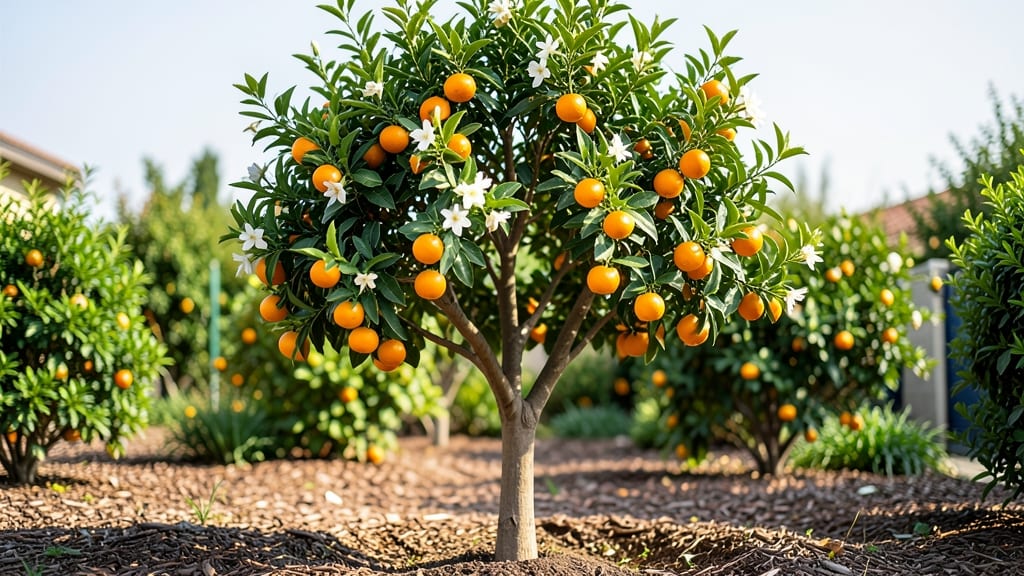
That tree with little orange berries you’re noticing might be a Pyracantha, a thorny shrub that turns your yard into a winter wonderland. 🌟 I’ve grown mine for years, and the berries attract birds while adding color when everything else fades.
The key to identifying it is the small, glossy leaves and the way those berries cling in dense bunches—like nature’s own holiday decorations.
Pyracantha thrives in full sun to partial shade and handles most soil types, though it prefers well-draining dirt. In zones 5-9, it’s hardy enough to survive winters without fuss, making it a low-maintenance star for borders or hedges.
Prune lightly after flowering to encourage bushier growth, and watch how the berries ripen from green to fiery orange by fall.
Beyond the beauty, these shrubs feed birds all winter and deter pests with their thorns. The berries aren’t edible for humans, but they’re a magnet for wildlife. With minimal care—just occasional watering and an annual trim—you’ll have a shrub that’s both practical and stunning, year after year.
Perfect for small spaces, privacy screens, or even container growing. Here’s how to get yours established and thriving in no time—no green thumb required.
Natural Triggers Behind Bright Berries
The appearance of tiny orange berries on a tree isn’t just a random act of nature—it’s a carefully orchestrated response to environmental cues, biological signals, and even the tree’s own survival strategies.
Understanding these triggers helps you anticipate when and why these vibrant fruits appear, whether you’re admiring a decorative shrub or troubleshooting a lack of berries. Here’s why your tree might be producing those little orange orbs.
Most trees with small orange berries—like Cotoneaster, Pyracantha, or Hawthorn—follow a predictable seasonal cycle. Their berries develop only after successful pollination, which typically occurs in spring or early summer. Here’s how it works:
- Flowering phase: Trees produce small, often inconspicuous flowers that attract bees, butterflies, or wind for pollination. If pollinators are scarce (due to pesticides, lack of local flora, or poor weather), fertilization fails, and no berries form.
- Fruit set: Once pollinated, the ovary of the flower swells into a berry. In species like Pyracantha, this process takes 6–9 months, meaning berries ripen in fall or winter.
- Climate matters: Cold snaps after flowering can sterilize pollen or shock the tree, reducing berry production. Conversely, warm, dry springs may boost pollinator activity.
💡 Pro Tip: If your tree flowers but produces no berries, check for local pollinator decline or consider hand-pollinating with a soft brush if you’re growing a rare cultivar.
Not all trees with orange berries behave the same—some are prolific fruiters, while others are selective due to their genetics. Here’s what influences berry production:
| Trait | Impact on Berries | Example Trees |
|---|---|---|
| Self-pollinating vs. cross-pollinating | Self-pollinators (like Pyracantha) produce berries alone, while cross-pollinators (like Crataegus hawthorns) need multiple trees for fruit set. | Pyracantha, Cotoneaster dammeri |
| Fruitfulness rating | Some cultivars (e.g., ‘Golden Carpet’ Cotoneaster) are bred to produce heavy berries yearly, while wild types may fruit sporadically. | ‘Firethorn’ Pyracantha, ‘Royal Purple’ Smokebush |
| Dioecious vs. monoecious | Dioecious trees (separate male/female plants, like Ginkgo) require both genders for berries. Monoecious trees (e.g., Hawthorn) have both on one plant. | Ginkgo biloba, Crataegus |
✨ Key Takeaway: If you’re planting for berries, research the species—some need companions, while others thrive solo. For example, Pyracantha is often dioecious, so buy both male and female plants for guaranteed fruit.
While berries are a sign of health, too much stress can actually reduce their numbers. Here’s how environmental conditions play a role:
- Water extremes:
- Drought stress: Trees like Cotoneaster may drop flowers or produce small, underdeveloped berries if soil dries out during flowering.
- Overwatering: Soggy roots can prevent pollinators from visiting or cause root rot, which diverts energy away from fruit production.
- Nutrient deficiencies:
- Low phosphorus (seen as dark green leaves with purple stems) can limit flower and berry development.
- Zinc or boron deficiencies may cause blind flowers (flowers that don’t develop into fruit).
- Sunlight exposure:
- Shade-loving trees (like ‘Bearberry Cotoneaster’) may produce fewer berries if planted in full sun, while sun-worshippers (e.g., Pyracantha) struggle in deep shade.
🌡️ Actionable Fix: Conduct a soil test in early spring. Amend with compost or bone meal (for phosphorus) if berries are sparse. Mulch with wood chips to retain moisture without suffocating roots.
Unseen threats like pests and pathogens can steal your tree’s energy, leaving it too weak to produce berries. Watch for these culprits:
- Sap-sucking insects:
- Scale insects or aphids drain sap, causing stunted growth and fewer flowers.
- Spider mites (visible as webbing on leaves) can prevent photosynthesis, reducing fruit yield.
- Fungal infections:
- Powdery mildew (white fungal coating) can distort flowers before they open.
- Fire blight (blackened, oozing branches) kills flowering wood, eliminating next year’s berries.
- Animal interference:
- Deer or rabbits may browse new growth, preventing flower buds from forming.
- Birds love orange berries—they may eat them before they ripen, especially in urban areas.
🔥 Prevention Tip: Apply neem oil in early spring to deter pests, and net young berries if birds are a problem. Prune out infected branches in dormant season to stop disease spread.
How you prune (or don’t prune) your tree directly impacts berry production. Timing and technique matter:
- Over-pruning: Cutting back
Fixing Common Shrub Issues
When your vibrant shrub with little orange berries isn’t thriving—or worse, is struggling—quick action can make all the difference. Below, we’ve mapped out practical fixes for the most common problems, along with preventive tips to keep your shrub healthy and berry-bearing for years.
Problem: Stunted growth, fewer berries, or weak branches happen when shrubs are planted too close together or in shaded spots.
How to Fix It: 🔥 🌿 Prune for Better Airflow
- Use sharp, sterilized shears to trim back overgrown branches by 1/3 to improve sunlight exposure.
- Focus on crossing or rubbing branches—remove them at the base to prevent disease.
🍳 🌱 Relocate or Thin Out
- If shrubs are too close, dig up and transplant one to a sunnier spot (at least 6 feet apart for most berry shrubs).
- For mature shrubs, gradually thin by removing oldest stems at the base to encourage new growth.
👨🍳 🌞 Optimize Sunlight
- Ensure your shrub gets 6+ hours of sunlight daily—move it if needed.
- Avoid deep shade (e.g., under tall trees), which weakens berry production.
💡 Prevention Tips: ✔ Space plants properly at planting (check your shrub’s mature size). ✔ Mulch lightly (2-3 inches) to retain moisture without suffocating roots. ✔ Monitor for pests—crowded shrubs attract aphids and mites.
Problem: Your shrub has leaves but few (or tiny) orange berries—often due to nutrient deficiencies, wrong pruning, or lack of pollination.
How to Fix It: 🔥 🌿 Fertilize Correctly
- Test soil first (pH 6.0–7.0 is ideal for most berry shrubs).
- Apply a balanced, slow-release fertilizer (10-10-10) in early spring and after harvest.
- For acid-loving shrubs (like holly or cotoneaster), use iron sulfate if yellowing leaves appear.
🍳 🐝 Boost Pollination
- Plant companion shrubs (e.g., another berry variety) nearby to attract pollinators.
- If indoors, hand-pollinate with a soft brush in early spring.
👨🍳 🌿 Prune for Fruit Production
- Remove dead/diseased wood in late winter.
- Lightly prune in summer to encourage new growth (which bears next year’s fruit).
- Avoid heavy pruning—this can reduce flowering.
💡 Prevention Tips: ✔ Feed regularly—don’t skip spring fertilization. ✔ Avoid over-pruning—stick to 1/3 of the shrub max per year. ✔ Hand-pollinate if bees are scarce in your area.
Problem: Yellowing leaves, holes, or sticky residue (sap) signal pests like spider mites, scale, or aphids. Fungal issues (e.g., powdery mildew) can also stunt berry growth.
How to Fix It: 🔥 🛡️ Treat Pests Organically
- Spray with neem oil (mix 1 tbsp neem oil + 1 tsp mild soap + 1 quart water) every 7–10 days until pests vanish.
- Introduce beneficial insects (ladybugs, lacewings) to eat aphids naturally.
🍳 🌿 Prune Infected Areas
- Cut off and dispose of heavily damaged branches (don’t compost them!).
- Sterilize tools with rubbing alcohol between cuts to prevent spread.
👨🍳 🌡️ Prevent Fungal Issues
- Water at the base (avoid wetting leaves) to reduce mildew.
- Space plants for airflow—fungi thrive in damp, crowded conditions.
💡 Prevention Tips: ✔ Inspect weekly—catch pests early! ✔ Use reflective mulch (e.g., aluminum foil) to deter aphids. ✔ Rotate organic sprays to prevent resistance.
Problem: Brown, crispy leaves or dead branches after winter mean freeze damage or dehydration from harsh winds.
How to Fix It: 🔥 🌿 Prune Dead Wood
- Remove blackened or brittle branches in late winter/early spring.
- Cut back to healthy green wood (just above a bud or leaf node).
🍳 🛡️ Protect Next Winter
- Wrap young shrubs in burlap or frost cloth in late fall.
- Mulch heavily (4–6 inches) with straw or shredded leaves to insulate roots.
👨🍳 💧 Hydrate Before Freeze
- Water deeply in fall (before the first hard frost) to help roots withstand cold.
💡 Prevention Tips: ✔ Choose cold-hardy varieties (e.g., winterberry holly, cotoneaster). ✔ Avoid late pruning—new growth is more vulnerable to frost. ✔ Plant in sheltered spots (away from wind tunnels).
Keep your shrub on track with this quick-reference table:
| Season | Task | When |
|---|---|---|
| Late Winter | Prune dead wood, fertilize | February–March |
| Spring | Mulch, watch for pests | April–May |
| Summer | Light pruning, hand-pollinate | June–August |
| Fall | Deep water, protect from frost | September–October |
Final Tip: 🎯 Observe your shrub weekly—early action on small issues saves hours of work later! With the right care, your little orange berry shrub will reward you with vibrant color and bountiful fruit for seasons to come.
Frequently asked questions
What are the most common trees with little orange berries?
The three most likely candidates are Pyracantha (firethorn), Cotoneaster, and Hawthorn. Pyracantha has thorny branches and clusters of bright orange berries that persist through winter, while Cotoneaster berries are smaller and often red-orange. Hawthorn berries are usually red but can turn orange in some varieties.
Are the berries from these trees safe for birds?
Birds adore these berries—especially Pyracantha and Cotoneaster—which provide essential winter food. The berries are packed with seeds that birds disperse, helping the plants spread naturally. Just avoid feeding them to pets or children, as some berries may cause mild stomach upset.
How do I tell if my shrub is Pyracantha or Cotoneaster?
Check the leaves and thorns: Pyracantha has long, sharp thorns and glossy, oval leaves, while Cotoneaster typically has smaller, rounded leaves and fewer thorns. Also, Pyracantha berries grow in dense clusters, whereas Cotoneaster berries are more spread out.
Can I grow these shrubs in containers?
Yes! Both Pyracantha and Cotoneaster thrive in large containers (at least 18-inch diameter) with well-draining soil. Use a mix of potting soil and perlite, and ensure the pot has drainage holes. They’ll need regular watering (keep soil moist but not soggy) and occasional fertilization in spring.
Why aren’t my berries turning orange?
Orange berries develop fully only with proper sunlight (6+ hours daily) and balanced nutrients. If your shrub is shaded or nutrient-deficient, berries may stay green or turn dull red. Test your soil and fertilize with a balanced 10-10-10 mix in early spring.