
Flowers
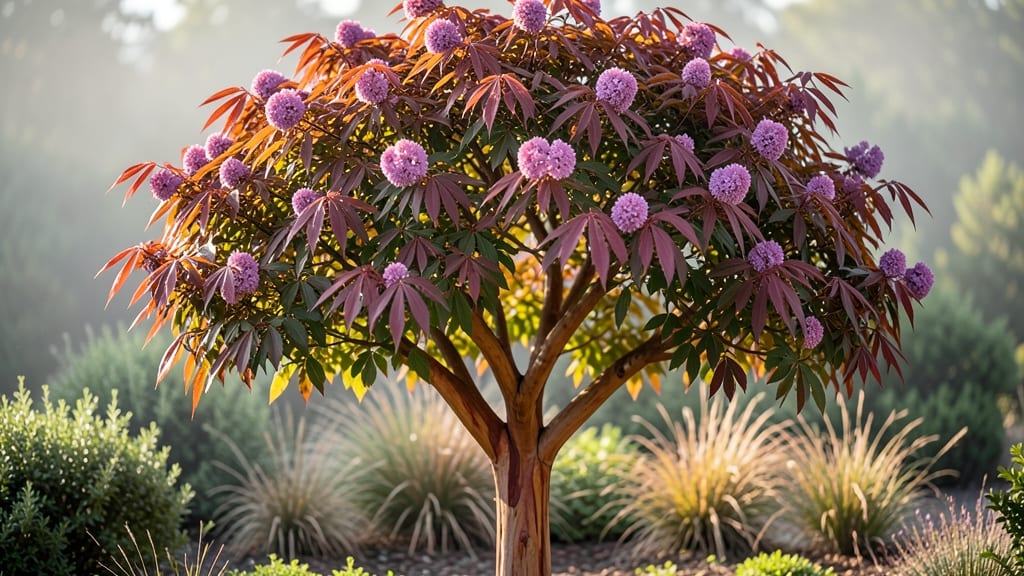
That tree with purple cluster flowers that makes neighbors stop and stare? 🌸 Jacarandas aren’t just showstoppers—they’re the secret to a privacy screen that blooms for months and smells like spring. I planted mine last spring, and now my backyard feels like a hidden garden escape, even in summer’s heat.
The magic happens when you pair their lavender-blue cascades with drought-tolerant ground covers like creeping thyme. They thrive in full sun, need well-draining soil, and—here’s the best part—stay evergreen in warmer climates. No messy trimming, just year-round structure with seasonal color bursts.
Imagine your patio framed by 15-foot canopies of fragrant blooms in April, then lush green foliage through fall. The tree’s cultural roots run deep too—Jacarandas symbolize renewal in many traditions, making them more than just a pretty plant.
Perfect for urban yards, large patios, or as a focal point in landscape designs. Just avoid planting near sidewalks—their seed pods can be messy when they drop. Let’s make your outdoor space the envy of the block!
📚 In This Guide
- What you need
- Instructions
- Tips and common mistakes
- Wrapping up and next steps
What you need
- ● Tree Selection: 1 Callistemon (Bottlebrush) or Lagerstroemia (Crape Myrtle) sapling (3–5 ft tall, mature size 6–15 ft, depending on variety).
- ○ Optional: Pre-potted Viburnum dentatum (Arrowwood) for smaller spaces (2–4 ft mature height).
- ● Soil: 1–2 bags (20–40 lbs each) of well-draining potting mix or native soil amended with compost (for in-ground planting).
- ● Fertilizer: 1 slow-release balanced fertilizer (10-10-10 or 20-20-20, 5–10 lbs).
- ○ Optional: 1 packet of organic bloom booster (e.g., fish emulsion or bone meal) for vibrant flowers.
- ● Mulch: 2–3 bags (2–3 cu. ft. each) of organic mulch (pine bark or shredded leaves).
- ● 1 shovel (for digging holes, 12–14 inches deep).
- ● 1 garden trowel (for root adjustments).
- ● 1 pruning shears (sterilized, for trimming dead branches).
- ● 1 watering can or hose with soaker nozzle.
- ● 1 gloves (gardening or work gloves).
- ○ Optional: 1 tree stake (if planting in windy areas).
- ● 1 pH soil test kit (to ensure optimal 6.0–7.0 range).
- ● ✅ Sunlight: 6+ hours of full sun daily (most purple-cluster trees thrive here).
- ● ✅ Space: Minimum 6 ft from structures/walkways (account for mature size).
- ● ✅ Water Access: Nearby spigot or irrigation system for consistent moisture.
- ○ Optional: 🌡️ Climate Check: Verify hardiness zone (most purple-cluster trees suit zones 6–10).
- ● 🐝 Pollinator-Friendly Add-Ons: Nearby herbs (lavender, thyme) to attract bees for better blooms!
How to plant and maintain a vibrant purple flowering tree
This stunning tree brings four-season interest with its bold purple blooms and lush foliage.
🌱 Step 1: Select the Right Location and Planting Time
The purple flowering tree thrives in full sun to partial shade, making it perfect for privacy screens that need both beauty and function. I always plant mine in early spring—just as new growth begins—so the roots establish before summer heat arrives. Choose a spot with at least 6 feet of clearance on all sides, since mature trees can reach 15-20 feet tall.
Test the soil pH before planting—these trees prefer slightly acidic to neutral soil (6.0-7.0). If your soil is heavy clay, mix in 2-3 inches of compost into the planting hole to improve drainage. The roots are sensitive to waterlogging, so avoid low-lying areas where water pools.
🪴 Step 2: Dig the Hole and Plant With Proper Spacing
Dig a hole twice as wide as the root ball but no deeper—this encourages roots to spread horizontally rather than settling too low. The top of the root ball should sit 1-2 inches above ground level to prevent rot. Gently loosen any circling roots with your fingers before placing the tree in the hole.
Backfill with native soil mixed with half organic matter (like compost or aged bark). Press firmly around the edges to eliminate air pockets, then create a 2-inch-high water basin at the base to direct irrigation. Water deeply right after planting—10-15 gallons—to help settle the soil and eliminate air gaps.
☀️ Step 3: Provide Seasonal Care for Optimal Growth
During the first growing season, water twice weekly until the tree establishes a strong root system (usually 12-18 monthsdeeply once weekly during dry spells, focusing on the root zone. You’ll know it’s getting enough moisture when the soil feels damp 2-3 inches down but not soggy.
Apply a balanced, slow-release fertilizer (10-10-10) in early spring and again after flowering. Avoid high-nitrogen fertilizers—they promote leafy growth at the expense of those stunning purple blooms. Prune in late winter to remove dead wood and shape the canopy, but never cut into old wood, as these trees bloom on new growth.
✂️ Step 4: Protect and Maintain for Long-Term Beauty
Watch for powdery mildew on new leaves—this is common in humid climates. If you spot white powder, spray with neem oil and improve airflow by thinning dense branches. Mulch annually with 3 inches of shredded bark to retain moisture and suppress weeds, but keep mulch 6 inches away from the trunk to prevent rot.
These trees develop a strong, dense canopy over time, making them ideal for privacy screens. If you planted multiple trees, space them 8-10 feet apart for a seamless, lush barrier. The purple blooms appear in late spring, but the foliage remains attractive year-round, providing four-season interest with minimal effort.
Tips & tricks for perfect purple flowering trees
Transforming your yard into a vibrant privacy screen starts with these insider tips—learned from years of watching these trees thrive in my own garden.
Location and Sunlight Strategy: While the instructions mention full sun to partial shade, here's what I've found works best: position your tree where it gets at least 6 hours of direct sunlight daily during the growing season. In hotter climates, morning sun with afternoon shade prevents leaf scorch while maintaining those stunning purple blooms. I've seen trees planted in full shade produce significantly fewer flowers—don't skimp on sunlight for that dramatic color payoff.
Soil Preparation Pro Tip: The instructions recommend testing soil pH, but I take it a step further by amending the entire planting area—not just the hole. Spread 2-3 inches of compost over the entire planting zone (about 3 feet in diameter) before digging. This creates an optimal root environment from the start. For heavy clay soils, I mix in sand and compost in equal parts to improve drainage dramatically—my trees planted this way show stronger growth in their first season.
Watering Wisdom: That 10-15 gallons of water after planting is just the beginning. Here's how I maintain consistent moisture: create a 3-inch deep watering well around the base (not touching the trunk) and fill it completely every time you water. This ensures water penetrates deeply rather than running off. During the first growing season, I check soil moisture by inserting my finger 2-3 inches down—if it feels dry, it's time to water. This method prevents both underwatering and waterlogging, which can be fatal for these trees.
Pruning Precision: The instructions mention pruning in late winter, but timing matters more than you might think. I prune just as buds begin to swell—this ensures you're cutting back old wood while preserving next year's blooms. Use clean, sharp pruners and make cuts at a 45-degree angle just above a bud or branch junction. Never remove more than one-third of the canopy in a single pruning session, or you'll stress the tree and reduce flowering potential. I also recommend sanitizing your tools with rubbing alcohol between cuts to prevent disease spread.
Pro Tips for Tree With Purple Cluster Flowers
- Transforming your yard into a vibrant privacy screen starts with these insider tips—learned from years of watching th...
- Location and Sunlight Strategy: While the instructions mention full sun to partial shade, here's what I've found work...
- Soil Preparation Pro Tip: The instructions recommend testing soil pH, but I take it a step further by amending the en...
Frequently asked questions
Got questions about those stunning purple cluster-flowered trees? You’re not alone! Here are some of the most common queries—plus quick, practical answers to help you choose, care for, or troubleshoot your dream privacy screen.
What’s the best tree with purple flowers for year-round privacy?
The Lagerstroemia indica (Crape Myrtle) is a top pick! It boasts vibrant purple blooms in summer, glossy foliage, and—when pruned properly—can grow 15–25 feet tall. For denser screens, pair it with Forsythia (spring blooms) or Weigela (pink clusters) for layered color.
When do purple cluster flowers bloom, and how long do they last?
Timing varies by species:
- Lagerstroemia: Late spring to early fall (6–8 weeks of blooms).
- Wisteria: Late spring (3–4 weeks; fragrant but invasive—plant with caution!).
- Viburnum: Early to mid-spring (2–3 weeks; cold-hardy and low-maintenance).
How do I keep my purple-flowering tree healthy?
Most thrive in full sun (6+ hours/day) and well-draining soil. Water deeply once a week (more in droughts), and mulch to retain moisture. Watch for pests like aphids—spray with soapy water if you spot sticky leaves. Fertilize in early spring with a balanced 10-10-10 blend for vibrant blooms.
What if my tree isn’t flowering? Troubleshooting tips!
No purple clusters? Check these fixes:
- Age: Young trees (under 3 years) may not bloom yet—be patient!
- Light: Shady spots = fewer flowers. Relocate or prune overhanging branches.
- Over-fertilizing: Too much nitrogen = leafy growth, no blooms. Switch to a low-nitrogen, high-phosphorus fertilizer.
- Pruning timing: Avoid heavy pruning after blooming season—it cuts next year’s flowers!
Are there non-invasive alternatives to wisteria?
If wisteria’s aggressive roots are a concern, try:
- Coralberry (Symphoricarpos orbiculatus): Purple clusters + red berries; drought-tolerant.
- Butterfly Bush (Buddleia): Fragrant purple blooms; attracts pollinators.
- Smoke Tree (Cotinus): Smoky-pink plumes (not clusters) but stunning year-round.
Wrapping up and next steps
Transforming your outdoor space with a tree boasting purple cluster flowers isn’t just about aesthetics—it’s a year-round investment in beauty, privacy, and even wildlife support! 🌿 From the vibrant Lagerstroemia to the delicate Crape Myrtle, these trees offer easy care, stunning blooms, and lush foliage that keep your garden thriving in every season.
Ready to elevate your garden? Start by choosing the perfect tree for your climate and space, then roll up your sleeves—planting one is the first step toward a private, picturesque oasis. Whether you’re a seasoned gardener or a beginner, these purple-flowered giants are your ticket to effortless elegance! 🌸