
Flowers
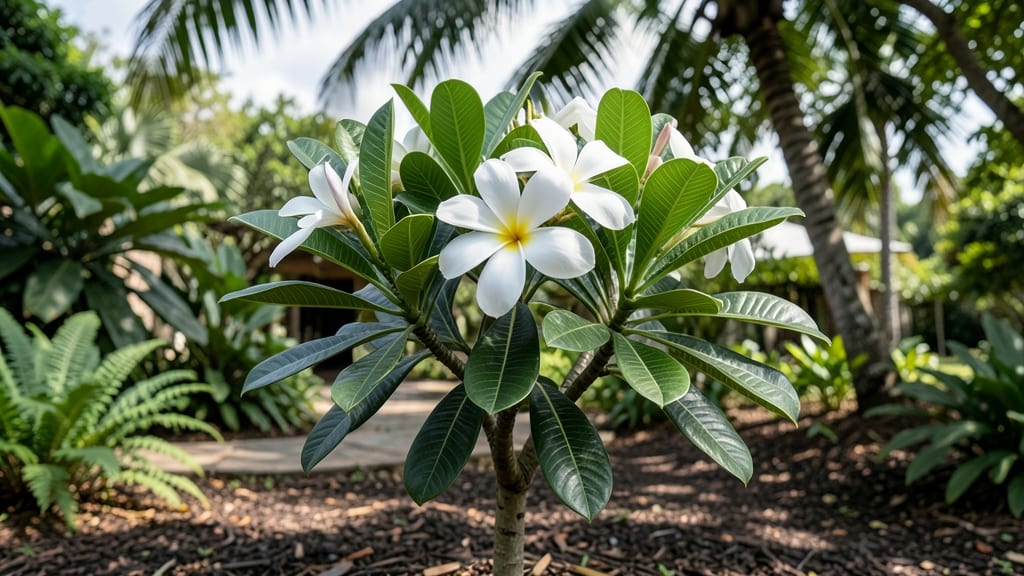
Your garden just got a touch of pure magic with a tree that blooms like white orchids. 🌸 These ethereal flowers aren’t just stunning—they turn any yard into a serene escape, especially when planted as a focal point near patios or walkways.
The Fringe Tree (Chionanthus virginicus) and Ghost Tree (Davidia involucrata) are two standouts, their delicate petals creating a dreamy, almost surreal effect in spring. These trees thrive in partial shade, making them perfect for understory plantings or as borders where they’ll get dappled sunlight.
Pair them with ferns, hostas, or azaleas to extend their seasonal appeal—while the flowers fade, the lush foliage keeps the drama going. In fall, their golden leaves add warmth before winter’s quiet.
Imagine a Ghost Tree’s dramatic, white bracts framing a garden arch or a Fringe Tree’s fragrant blooms drawing bees to your morning coffee spot. Their graceful forms and airy blooms work equally well in cottage gardens or modern landscapes, offering texture and height without overwhelming smaller spaces.
For maximum impact, plant them where their blooms will catch the light—near a path, under a window, or as a solitary specimen where they can truly shine. Their understated elegance makes them a gardener’s secret weapon for creating spaces that feel like a retreat. Let’s make your landscape unforgettable!
Nature’s Secret Triggers Blooming
If you’ve ever spotted a tree adorned with delicate white orchid-like flowers and wondered why it happens, the answer lies in a fascinating blend of biology, timing, and environmental cues.
These ethereal blooms—often seen on trees like the Frangipani (Plumeria) or Bradford Pear—are the result of intricate natural processes. Let’s break down the key reasons behind this stunning phenomenon.
Not all trees produce white orchid-like flowers—it’s all in their DNA. Many trees, such as the Bradford Pear (Pyrus calleryana) or Crabapple (Malus spp.), have been selectively bred or naturally evolved to develop these showy, fragrant blooms.
These flowers often serve as a magnet for pollinators, ensuring the tree’s survival by attracting bees, butterflies, and even hummingbirds.
For example, the Frangipani tree’s flowers are genetically programmed to open in response to specific conditions, mimicking the shape and color of orchids to lure pollinators effectively.
If your tree isn’t flowering as expected, it might simply lack the right genetic traits—or it could be a hybrid that hasn’t inherited the flowering genes strongly enough.
Timing is everything when it comes to flowering. Most trees with white orchid-like blooms follow a strict seasonal rhythm, typically flowering in spring or early summer. This is when daylight hours lengthen, and temperatures rise—two critical triggers for blooming.
- Daylight exposure: Many flowering trees require 12–16 hours of daylight to trigger bud formation. If your tree isn’t getting enough sunlight (e.g., due to shade from taller trees or buildings), it may skip flowering altogether.
- Temperature shifts: A period of cool winter dormancy followed by warm spring temperatures (ideally between 50–75°F) signals the tree to break dormancy and produce flowers. Sudden temperature swings or late frosts can disrupt this process.
- Rainfall and humidity: Adequate moisture before and during the blooming season ensures the tree has the energy to produce flowers. Drought stress can delay or prevent flowering entirely.
💡 Pro Tip: If your tree isn’t flowering on schedule, check its light exposure. Move potted trees to a sunnier spot or prune nearby obstacles to improve airflow and sunlight penetration.
Flowers are energy-intensive, and a tree must have the right nutrients to support them. If your tree’s white orchid-like blooms are sparse or nonexistent, it might be suffering from nutritional deficiencies. Key elements include:
| Nutrient | Role in Flowering | Signs of Deficiency |
|---|---|---|
| Phosphorus (P) | Essential for energy transfer and flower development | Dark green leaves, stunted growth, few or no blooms |
| Potassium (K) | Helps regulate water and nutrient movement, supports pollination | Weak stems, yellowing leaf edges, poor flower quality |
| Nitrogen (N) | Promotes leafy growth—but too much can delay flowering | Lush foliage but no flowers (over-fertilization) |
| Micronutrients (Zinc, Boron, Magnesium) | Critical for pollen formation and bud development | Small, deformed flowers or no blooms |
🌡️ Actionable Tip: Conduct a soil test to check nutrient levels. If phosphorus or potassium is low, apply a balanced fertilizer (e.g., 10-10-10 or 5-10-5) in early spring. Avoid high-nitrogen fertilizers if your goal is flowering.
Even the hardiest trees can skip flowering if they’re under stress. Common stressors include:
- Drought or overwatering: Both extremes disrupt nutrient uptake and energy production. Orchid-like flowers require a consistent moisture balance—neither soggy soil nor bone-dry conditions.
- Pests and diseases: Infestations (e.g., aphids, scale insects) or fungal infections (like powdery mildew) divert the tree’s energy away from flowering. Look for sticky residue, holes in leaves, or unusual spots.
- Physical damage: Pruning at the wrong time (e.g., during bud formation) or storm damage can shock the tree into skipping its flowering cycle.
- Transplant shock: Recently planted trees may take 1–2 years to recover and flower, especially if their roots were disturbed.
✨ Solution: Monitor your tree for signs of stress. Mulch around the base to retain moisture, use neem oil for pest control, and avoid heavy pruning during the growing season.
Understanding these triggers can help you create the perfect conditions for your tree to burst into a dazzling display of white orchid-like blooms. With the right care, your tree could become the star of your landscape—year after year! 🌸🌿
Revitalizing Your Blooming Beauty
If your tree with delicate white orchid-like flowers isn’t thriving, don’t worry—most issues have simple, effective fixes. Below, we’ve mapped common problems to actionable solutions, plus prevention tips to keep your tree flourishing for years. Let’s get those blossoms back in peak form!
Cause: Insufficient sunlight, over-fertilizing, or improper pruning can stunt flower production.
Solution:
- 🔥 Boost Sunlight: Ensure your tree gets 6–8 hours of direct sunlight daily. If it’s in shade, relocate it to a sunnier spot or supplement with a grow light (12–14 hours/day) during winter.
- 🍳 Adjust Fertilizer: Overfeeding with high-nitrogen fertilizers promotes leafy growth but not flowers. Switch to a balanced bloom-boosting fertilizer (like 10-10-10 or 5-10-10) in early spring and mid-summer. Follow package instructions—more isn’t better!
- ✂️ Prune Strategically: Trim dead or crowded branches in late winter/early spring (before blooming season). Avoid heavy pruning during flowering—this can reduce next year’s blossoms.
- 💡 Pro Tip: If your tree hasn’t bloomed in 2+ years, it may need a rest period. Reduce watering in fall/winter to encourage dormancy, then resume care in spring.
Cause: Overwatering, underwatering, pests, or fungal diseases can stress your tree.
Solution:
- 👨🍳 Water Wisely:
- Underwatering? Check soil moisture 1–2 inches deep—if dry, water deeply until it drains from the bottom. Use a moisture meter for accuracy.
- Overwatering? Let the top 2–3 inches of soil dry out between waterings. Improve drainage by adding perlite or sand to heavy soil, or repot if needed.
- 🌡️ Combat Pests/Disease:
- Spider mites or aphids? Spray with neem oil (mix 1 tbsp neem oil + 1 tsp mild soap + 1 quart water). Repeat every 5–7 days until pests vanish.
- Fungal issues (e.g., powdery mildew)? Prune affected leaves, then apply baking soda spray (1 tsp baking soda + 1 quart water + a drop of dish soap).
- 🎯 Prevention: Space trees properly for airflow, and sterilize pruners with rubbing alcohol between cuts to prevent disease spread.
Cause: Nutrient deficiencies, compacted soil, or root issues can weaken your tree.
Solution:
- 📊 Soil Test & Amend:
- Test soil pH (ideal: 6.0–7.0 for most flowering trees). Adjust with lime (to raise pH) or sulfur (to lower pH) as needed.
- Amend soil with compost or aged manure for organic nutrients. For poor soil, top-dress with worm castings annually.
- 💪 Support Roots:
- If roots are exposed or circling, loosen soil gently around the base (avoid damaging roots). Mulch with 2–3 inches of organic mulch (wood chips, straw) to retain moisture and regulate temperature.
- Avoid over-mulching—keep mulch 6 inches away from the trunk to prevent rot.
- ✨ Seasonal Care:
- Spring: Fertilize + prune.
- Summer: Water deeply 1–2x/week (more in heatwaves).
- Fall: Reduce watering, remove dead blooms.
- Winter: Protect from frost with burlap wraps if in a cold climate.
With these targeted fixes, your tree should bounce back stronger—and those ethereal white blooms will return in full glory. Consistency is key, so monitor progress and adjust as needed. Happy gardening! 🌸🌿
Frequently asked questions
Which trees produce white orchid-like flowers that are fragrant?
The Frangipani (Plumeria) is the most famous for its intoxicatingly sweet, white orchid-like blooms. Other fragrant options include the Ghost Tree (Davidia involucrata) with its dramatic bracts, and the Bradford Pear (Pyrus calleryana), though its scent is milder. For a tropical vibe, consider the Jacaranda (though its flowers are purple).
Can these trees grow in containers, or do they need to be planted in the ground?
Smaller varieties like Dwarf Frangipani (Plumeria rubra) thrive in containers, making them perfect for patios or balconies. Larger trees like the Ghost Tree need ground planting, but their roots are non-invasive. Use well-draining potting mix and a pot at least 2 feet wider than the root ball for container-grown specimens.
How do I encourage my tree to bloom more abundantly?
Focus on three key factors: sunlight (6–8 hours daily), balanced fertilizer (low nitrogen, high phosphorus/potassium), and proper pruning. Avoid heavy pruning during bloom season, and ensure consistent moisture—neither soggy nor bone-dry soil. A spring soil test can reveal nutrient deficiencies holding back flowers.
Are these trees cold-hardy, or do they need tropical climates?
Most orchid-like flowering trees have moderate cold tolerance. The Ghost Tree handles 10–20°F with protection, while Frangipani dies back in frost but regrows from roots in warmer zones (USDA 9–11). For colder climates, grow them in containers and overwinter indoors near a sunny window, or choose hardier options like Crabapple trees.
What’s the best way to pair these trees with other plants for maximum visual impact?
Combine them with ferns, hostas, or azaleas for lush contrast, or plant near climbing roses to create a romantic arbor. For height, add evergreen shrubs like boxwoods behind them. In containers, pair with trailing plants (e.g., sweet potato vine) to soften the pot’s edges. Their delicate blooms also shine when surrounded by textured foliage like ornamental grasses.