
Pruning
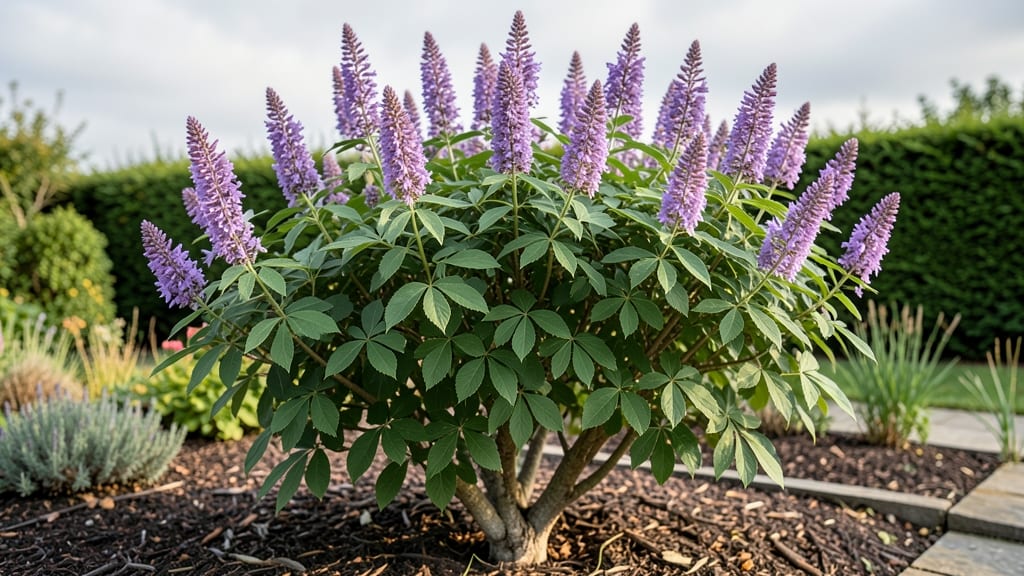
Growing the vitex tree thrives best in USDA zones 6 through 10, where its silvery foliage and lavender blooms transform any landscape into a fragrant oasis. 🌿 I’ve learned the hard way—planting vitex in zone 5 without protection nearly cost me my first specimen, but with the right pruning schedule, even cooler climates can keep this Mediterranean beauty alive.
The key lies in understanding how each zone’s winters demand different pruning approaches, from aggressive cuts in milder areas to minimal trimming in frost-prone regions.
The first step is matching your vitex’s needs to your zone’s realities. In zones 6-8, where winters dip below freezing but rarely stay harsh, you can prune lightly in late winter to shape the plant and encourage dense growth.
But in zones 9-10, where frost is rare, pruning shifts to late spring—after the last frost—to avoid encouraging tender new growth too early. Soil prep matters too: vitex loves well-draining soil, and in heavier clay zones, amending with sand or gravel makes all the difference.
By summer, your pruning pays off with vibrant, bushy growth and those signature purple flower spikes that attract bees and hummingbirds. The real magic happens in fall, when you can trim back any leggy branches to keep the plant compact and healthy for next year.
In colder zones, a thick layer of mulch around the base acts like a cozy blanket, protecting roots from temperature swings that can stress the plant.
Even outside its native range, vitex adapts—with patience. Container growing works for cooler zones, letting you move the plant indoors during winter. The trade-off? You’ll need to prune more aggressively in spring to compensate for the lack of natural winter dormancy.
Either way, the payoff is worth it: a low-maintenance, drought-tolerant plant that rewards your efforts with years of color and fragrance.
📚 In This Guide
- What you need
- Instructions
- Tips and common mistakes
- Wrapping up and next steps
What you need
- ● Pruning shears – Bypass-style (sharp, 6-8" blades) for clean cuts on small branches.
- ● Loppers – 20-24" reach, for thicker branches (½"–1.5" diameter).
- ● Pruning saw – Curved-tooth blade for branches >1.5" thick.
- ● Gloves – Heavy-duty, cut-resistant (Vitex thorns are no joke!).
- ● Disinfectant (70% isopropyl alcohol or bleach solution) – 1 part bleach : 9 parts water to sterilize tools between cuts.
- ● Rubbing alcohol or hand sanitizer – For quick tool cleaning in the field.
- ● Tarp or drop cloth – 10’x10’ or larger to collect debris.
- ○ Pruning sealant (optional but helpful) – Tree wound dressing for large cuts (½" or wider).
- ● Extension pole saw – For high branches in dense canopies.
- ● Safety glasses – Protects eyes from debris or sap splatter.
- ● Work boots or closed-toe shoes – For stability on uneven ground.
- ● Hose or bucket of water – To rinse tools post-pruning.
- ● Marking spray (paint) – Bright color to tag branches for removal.
How to prune a vitex tree for year-round health
This is the method I use to keep my vitex thriving through all four seasons—no matter where you live in the US.
✂️ Step 1: Late Winter Pruning (Before New Growth)
Start your vitex pruning in late winter, right before new buds begin to swell—usually February to March in most USDA zones. This timing ensures you remove dead wood while leaving dormant buds intact for spring growth. I always prune on a dry, sunny day when the temperature is above 40°F to prevent shock.
Use clean, sharp pruning shears to cut back 1/3 of the oldest stems to the ground. Focus on removing any dead, diseased, or crossing branches first—these compete with healthy growth and invite pests. For new gardeners, I recommend marking branches with white tape before cutting to visualize the plant's shape after pruning.
☀️ Step 2: Spring Growth Maintenance (After Flower Buds Form)
Once new leaves emerge (typically April to May), switch to light maintenance pruning. This is when you shape the tree for airflow and sunlight penetration. I look for suckers or water sprouts—those fast-growing, weak stems that pop up at the base or along branches—and remove them immediately with hand pruners.
Here's the thing—never prune after June 1 if you want flowers. Vitex blooms on old wood, so any cuts after this date will reduce next year's purple flower display. Instead, focus on thinning out crowded branches to improve air circulation, which prevents fungal diseases like powdery mildew.
⏰ Step 3: Summer Light Pruning (Post-Bloom)
After the main flowering season (usually July to August), do a quick shape-up. This is where you clean up any deadheading—removing spent flower clusters—and trimming back any leggy growth that's stretching toward the sun. I use bypass pruners for clean cuts just above a leaf node or bud.
Watch for new shoots that might be growing in odd directions. These often appear after heavy flowering. Snip them back to encourage stronger, more balanced growth. Avoid heavy pruning now—just light touch-ups to keep the tree looking tidy without stressing it before winter.
🪴 Step 4: Fall Cleanup (Preparing for Dormancy)
In October or November, do a final cleanup before the first frost. Remove any remaining dead or diseased branches, and sterilize your pruners with rubbing alcohol between cuts to prevent spreading pathogens. This is also the time to reduce watering—vitex is drought-tolerant once established, and overwatering in fall can lead to root rot.
I like to mulch around the base with 2-3 inches of organic mulch (like shredded bark) to protect roots from freezing temperatures. This step is especially important in USDA zones 6-8, where winter temps can dip below 20°F. A thick mulch layer acts like a blanket, keeping roots insulated.
✂️ Step 5: Emergency Pruning (Year-Round as Needed)
Sometimes, vitex needs unplanned pruning—like after a storm or pest damage. If branches are broken or diseased, remove them immediately to prevent further spread. I always disinfect tools before and after cutting to avoid contaminating healthy parts of the tree.
For storm damage, cut back to the nearest healthy branch collar (the swollen area where a branch meets the trunk). Never leave stubs—this invites decay. If you're unsure, take a photo first and compare it to healthy branches on the same tree to guide your cuts.
Tips & tricks for pruning vitex trees through the seasons
These simple tricks will help you keep your vitex healthy and beautiful year after year.
Timing is Everything: The February-March late winter pruning is your chance to reset the tree for spring. I always check the weather forecast—if a cold snap is coming, delay pruning until temperatures stay above 40°F for at least 48 hours. Cold stress can weaken the tree right when it needs to start growing. For zone 6-8 gardeners, this might mean waiting until early March when frost risk has passed.
Visual Pruning Guide: Before making any cuts in Step 1, step back and look at your tree from all sides. Imagine removing 1/3 of the oldest stems—this creates the classic vase shape vitex loves. I use a white garden marker to circle branches I'm keeping, which helps visualize the final shape. This prevents over-pruning, which stresses the tree and reduces flowering potential.
Seasonal Toolkit: Keep your pruning tools organized by season. For late winter (Step 1), use clean, sharp loppers for thicker branches and hand pruners for smaller stems. In spring and summer, I switch to bypass pruners—they make cleaner cuts that heal faster. Always sterilize tools between cuts with rubbing alcohol, especially when dealing with diseased branches in Step 4. A small brush and spray bottle make this quick and easy.
USDA Zone Adjustments: The 2-3 inches of mulch in Step 4 is non-negotiable for zones 6-8, but in warmer zones (9-11), you can reduce this to 1-2 inches. The key is to monitor soil temperature—if it's consistently above 40°F, your tree doesn't need as much insulation. In zone 5 or cooler, consider adding an extra 1-2 inches of mulch and wrapping the trunk with burlap for winter protection.
Pro Tips for Vitex Tree Zone
- These simple tricks will help you keep your vitex healthy and beautiful year after year.
- Timing is Everything: The February-March late winter pruning is your chance to reset the tree for spring. I always ch...
- Visual Pruning Guide: Before making any cuts in Step 1, step back and look at your tree from all sides. Imagine remov...
Frequently asked questions
Got questions about keeping your vitex tree thriving year-round?
Here are answers to the most common concerns—from pruning timing to troubleshooting—tailored to your USDA zone.
When is the best time to prune vitex in my zone?
Prune vitex after flowering (late summer to early fall) to encourage new growth for the next season. In colder zones (USDA 6-7), wait until spring (after frost risk passes) to avoid winter dieback. For milder zones (8-11), late winter/early spring pruning also works—just avoid heavy cuts in extreme heat.
Can I prune vitex in winter?
In USDA zones 8-11, light pruning (removing dead wood) is safe in winter. But avoid heavy cuts—vitex blooms on old wood, so pruning too late can reduce spring flowers. In colder zones (6-7), wait until spring to prevent frost damage to fresh cuts.
How much can I trim back a mature vitex tree?
You can safely remove up to 1/3 of the tree’s height in one season, but avoid over-pruning. For shaping, focus on selective cuts to open the canopy. Over-trimming (especially in fall) may stress the tree or reduce flowering. Pro tip: Use sterilized tools and make cuts just above a leaf node or bud.
What if my vitex isn’t blooming after pruning?
Vitex blooms on old wood, so prune after flowering to preserve next year’s buds. If it’s not blooming, check for:
- Under-pruning: Give it a light trim to stimulate growth.
- Over-fertilizing: Too much nitrogen = leafy growth, fewer flowers.
- Zone mismatch: Some varieties (like Vitex agnus-castus) thrive in zones 7-11; colder zones may need hardier types.
Are there vitex alternatives for colder climates (USDA 5 or below)?strong>
If vitex struggles in your zone, try these hardy alternatives with similar structure and fragrance:
Plant
USDA Zone
Key Feature
Caryopteris × clandonensis (Blue Mist Shrub)
4-8
Drought-tolerant, purple blooms, attracts pollinators.
Abelia × grandiflora (Glossy Abelia)
6-9
Semi-evergreen, fragrant white flowers, adaptable.
Weigela florida
4-8
Vibrant pink blooms, fast-growing, cold-hardy.
Pro tip: For vitex-like texture, pair with Lagerstroemia (crape myrtle) or Fothergilla.
Wrapping up and next steps
Mastering the art of year-round pruning for your vitex tree—whether you’re in a USDA Zone 7 or beyond—transforms it from a simple shrub into a thriving, well-shaped centerpiece. 🌿 By following seasonal cues and climate-specific tips, you’ll ensure healthy growth, vibrant blooms, and minimal stress on your plant.
The key? Stay consistent, sharpen your tools, and prune with confidence—your vitex will thank you with lush, year-round beauty!
Ready to take the next step? Grab your pruners, mark your calendar, and start with a quick seasonal checklist tailored to your zone. Happy pruning—your vitex’s best days are ahead! ✂️🌟