
Pruning
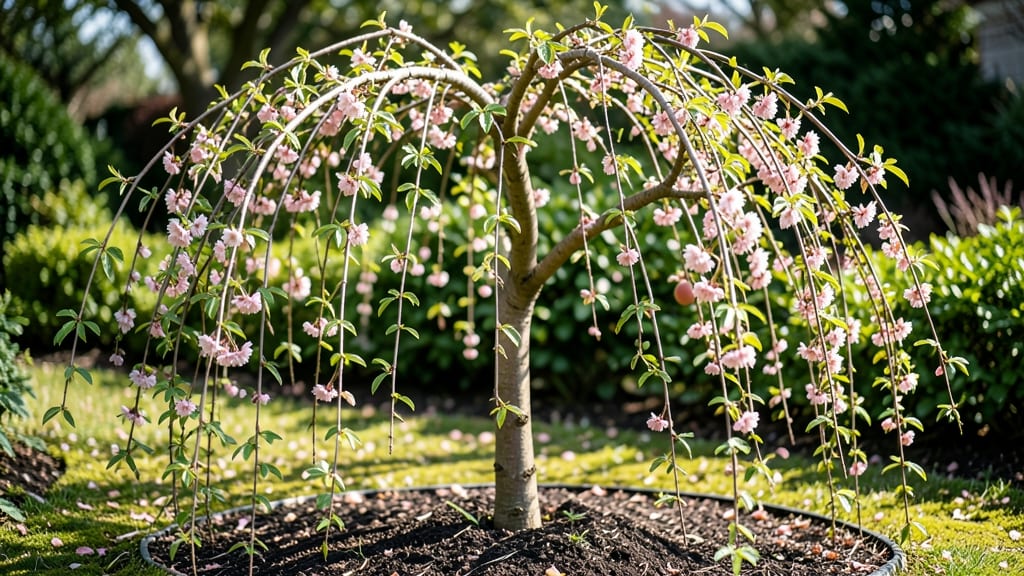
Growing a weeping peach tree in zones 5-9 turns your yard into a living waterfall of blossoms. 🌸 I learned the hard way that pruning in late winter—not early spring—keeps those graceful branches lush all year, and I’ll show you exactly how to do it without sacrificing fruit.
The secret isn’t just timing; it’s matching your cuts to the tree’s natural shape. In colder zones (5-6), protect young trees with burlap wraps until last frost, while zones 7-9 let you prune a little later.
A 10-foot tree needs 3-4 main branches to maintain its weeping form, and I’ll walk you through thinning the right ones. By summer, you’ll have a tree dripping with rosy-white blooms and sweet, freestone peaches—if you avoid the common mistake of over-pruning in spring.
The key is light shaping cuts in winter and minimal touch-ups in summer to encourage new growth. Works for both small yards and large landscapes, but watch for peach leaf curl in humid zones. Let’s get those branches flowing!
📚 In This Guide
- What you need
- Instructions
- Tips and common mistakes
- Wrapping up and next steps
What you need
- ● Pruning shears: Bypass pruners (sharp, clean, and sterilized with rubbing alcohol). Size: 6-8 inches for medium branches.
- ● Loppers: For thicker branches (up to 2 inches in diameter). Look for: Long handles (24-30 inches) for leverage.
- ○ Pruning saw: Curved-tooth saw for branches over 2 inches. Optional but handy!
- ● Gloves: Heavy-duty gardening gloves (cut-resistant for safety).
- ● Ladder: Extendable or sturdy step ladder (if your tree is over 6 feet tall). Safety first!
- ○ Disposable pruning seals: Optional but recommended for large cuts (prevents disease entry).
- ● Rubbing alcohol (70% or higher): For sterilizing tools between cuts.
- ● Sharpie marker: To mark branches for removal (if planning ahead).
- ● Trash bags: For collecting pruned branches and debris.
- ● Hose or bucket of water: To clean tools post-pruning.
- ● Knowledge of your tree’s growth habit and Weeping Peach Tree Zone characteristics (e.g., weak wood, water sprouts).
- ● Check the weather forecast: Prune on a dry, calm day (avoid wind or rain).
- ● Wear comfortable clothing (long sleeves/pants to protect from thorns or sap).
Step-by-step instructions for pruning a weeping peach tree
Here’s how to keep your weeping peach tree’s elegant branches flowing beautifully all year long.
✂️ Step 1: Prune in Late Winter Before Bud Break
Start your pruning in late winter—just as the tree begins to wake up but before buds swell. This timing ensures you’re not removing growth needed for spring’s energy surge. I like to prune on a dry, sunny day when the branches aren’t wet, which helps prevent disease from entering fresh cuts.
Use clean, sharp pruning shears to make cuts at a 45-degree angle, about ¼ inch above an outward-facing bud. This angle helps water run off the cut instead of pooling and rotting the branch. If you’re dealing with thicker branches, switch to loppers for cleaner cuts without tearing the bark.
Remove any dead, broken, or crossing branches first—they’re the easiest to spot and the most critical to eliminate. These branches compete with healthy growth for nutrients and can harbor pests. Aim to open up the center of the tree so light and air circulate freely, which keeps the weeping habit lush and prevents fungal issues.
☀️ Step 2: Shape the Tree for Graceful Growth
Weeping peach trees thrive when their branches flow naturally downward, so focus on maintaining that cascading shape. Step back and visualize the tree’s structure—you want a balanced, open canopy that lets sunlight reach the lower branches. If some branches are growing too upright, gently prune them back to encourage a more horizontal growth habit.
Pinch back the tips of new growth by one-third to encourage bushier, fuller branches. This is especially important for younger trees, where you want to establish a strong framework early. Avoid over-pruning, though—never remove more than 25% of the tree’s foliage in one session, or you’ll stress the tree and reduce fruit production.
Watch for suckers—those aggressive shoots growing from the base or along the trunk. Remove them as soon as you see them, or they’ll steal energy from your tree’s main structure. Use your pruners to cut them at the base, and don’t let them linger.
🌱 Step 3: Summer Pruning for Fruit and Airflow
After the initial late-winter pruning, give your weeping peach tree a light maintenance trim in early summer. This is the time to remove any water sprouts—those fast-growing, vertical shoots that pop up along the branches. They’re a waste of energy and can block light from reaching the tree’s lower foliage.
Thin out some of the fruit clusters to 6-8 inches apart if your tree is heavy with peaches. Overloaded branches can snap under the weight, and thinning ensures the remaining fruit grows larger and ripens evenly. I like to leave the largest, healthiest-looking peaches and remove the smaller or damaged ones.
Finally, check for any branches that are rubbing against each other. These spots create wounds where disease can enter, so prune one of the branches back to a healthy bud. A little extra care now means fewer problems later—and a tree that looks effortlessly elegant.
⏰ Step 4: Clean Up and Prepare for Winter
After the growing season winds down in fall, do a final light pruning to remove any dead or diseased branches that might have appeared over the summer. Sterilize your pruners with rubbing alcohol between cuts to prevent spreading pathogens. Bag up the pruned branches and dispose of them—don’t compost them if they show signs of disease.
Apply a 2-3 inch layer of mulch around the base of the tree, keeping it 6 inches away from the trunk to prevent rot. Mulch helps regulate soil temperature and retains moisture, which is especially important for weeping peach trees that can dry out faster due to their open canopy. Water deeply before applying mulch to help it settle evenly.
This is also the time to plan for next year. Take notes on which branches you pruned, how the tree responded, and any issues you noticed. A little observation now makes pruning easier—and more effective—in the seasons to come.
Tips & tricks for pruning a weeping peach tree
Mastering the art of pruning transforms your weeping peach tree from a tangled mess to a stunning centerpiece.
Timing is Everything: Late winter pruning gives your tree a fresh start, but don't wait too long—once buds swell, you risk removing new growth. I've seen trees stressed from late pruning, so mark your calendar for that perfect window between dormancy and bud break. A dry day is ideal because wet branches can harbor bacteria, leading to infections through fresh cuts.
The 45-Degree Angle Secret: When making cuts, that 45-degree angle isn't just a suggestion—it's crucial for preventing water from pooling in the wound. Imagine the cut like a roof: water slides off instead of sitting and rotting. For thicker branches, switch to loppers to avoid tearing the bark, which creates larger wounds that heal more slowly. I learned this the hard way after seeing bark strips hanging from branches I'd tried to cut with regular shears.
Visualizing the Canopy: Step back often to visualize your tree's structure. You're sculpting, not just hacking. Aim for that open center where sunlight can reach all branches—this prevents fungal issues and encourages even growth. For upright branches, cut back to a bud that faces outward to encourage horizontal growth. The goal is that graceful, flowing silhouette weeping peach trees are famous for.
Seasonal Maintenance Matters: That early summer trim isn't just about looks—it's about removing water sprouts that waste energy and block sunlight. Thin fruit clusters to 6-8 inches apart to prevent branch breakage. I've seen heavy peach loads snap branches that would otherwise support the tree's elegant shape. And always check for rubbing branches—they create wounds where disease can enter.
Pro Tips for Weeping Peach Tree Zone
- Mastering the art of pruning transforms your weeping peach tree from a tangled mess to a stunning centerpiece.
- Timing is Everything: Late winter pruning gives your tree a fresh start, but don't wait too long—once buds swell, you risk removing new growth.
- The 45-Degree Angle Secret: When making cuts, that 45-degree angle isn't just a suggestion—it's crucial for preventing water from pooling in the wound.
Frequently asked questions
What’s the best time of year to prune a weeping peach tree?
The ideal time is late winter or early spring (before buds swell) to avoid stressing the tree. Avoid heavy pruning in summer or fall, as it can expose the tree to pests or disease. A light trim to shape branches can happen anytime, but major cuts wait for dormancy!
How much can I trim off without harming the tree?
For weeping peach trees, never remove more than 25% of the foliage in one session. Focus on thinning out crowded branches and dead wood. Over-pruning weakens the tree and reduces fruit production. Think of it as a haircut—less is more for long-term health!
Will pruning affect my peach harvest?
Yes! Pruning improves fruit quality and quantity by increasing airflow and sunlight. Remove water sprouts (vertical shoots) and suckers (shoots from the base) to redirect energy to fruit-bearing branches. Just avoid heavy cuts during bloom season—save that for post-harvest!
How do I prevent pests or disease after pruning?
Sterilize tools with rubbing alcohol before/after cuts to avoid spreading pathogens. Seal larger wounds with pruning sealant (optional for peach trees). Remove fallen debris promptly, and consider a copper fungicide spray if your area is prone to fungal issues. Prevention is key!
What if my weeping peach tree isn’t growing as expected?
Check for root-bound pots (if container-grown), nutrient deficiencies (yellow leaves = nitrogen), or poor drainage. Adjust watering, fertilize lightly in spring, and ensure it gets 6+ hours of sun daily. If branches die back, prune them out and monitor for signs of stress or disease.
Wrapping up and next steps
Mastering the art of pruning your weeping peach tree in the Weeping Peach Tree Zone ensures it stays healthy, vibrant, and full of graceful branches year-round. 🌿 With the right tools, timing, and techniques, you’ll not only enhance its beauty but also promote stronger growth and better fruit production.
Now that you’re armed with knowledge, grab those pruners and give your tree the care it deserves—your future blooms will thank you!
Next step: Schedule your first pruning session during dormancy (late winter or early spring) and observe how your tree transforms over time. Happy pruning! ✂️