
Trees
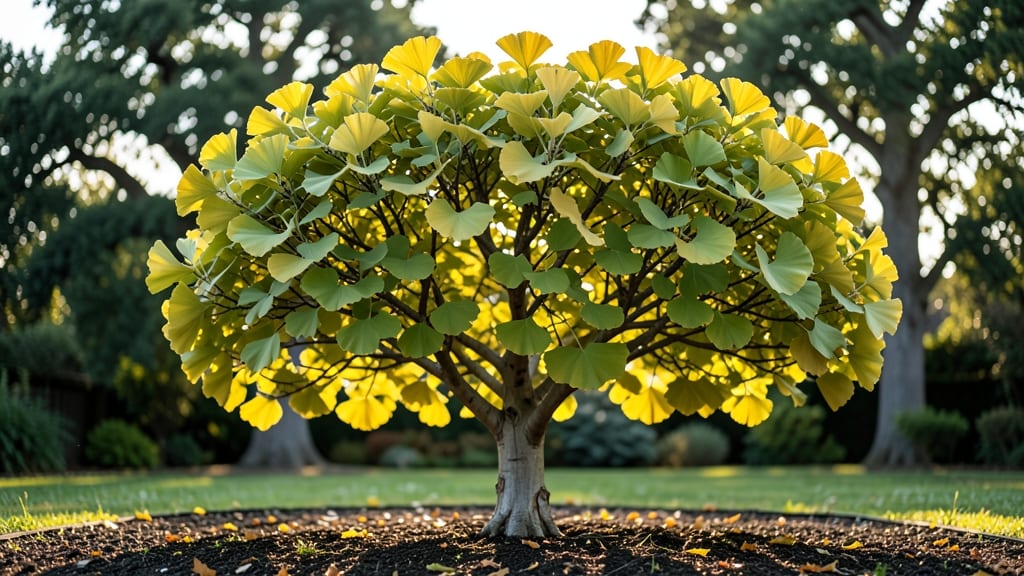
If you’re wondering what tree has yellow leaves in the fall, look no further: golden foliage season is here. 🌿 The trees that turn brilliant yellow—like the Ginkgo, Sweetgum, or Golden Rain Tree—transform your yard into a painter’s canvas.
I’ve watched my Ginkgo’s leaves shift from green to buttery yellow over just two weeks, and it’s pure magic. These trees thrive in full sun to partial shade, with most handling average soil as long as it drains well.
The Ginkgo, for example, tolerates city pollution and drought once established, while Sweetgums prefer richer soil and stay moist. Leaf shapes vary too: Ginkgo leaves are fan-shaped, Sweetgums have star-like lobes, and Golden Rain Trees sport long, willow-like foliage.
You’ll love how these trees adapt to different climates—from cold northern winters to mild southern falls. A well-placed Ginkgo or Sweetgum adds year-round structure, with their golden hues lasting weeks longer than maples. Just avoid planting near sidewalks; those star-shaped Sweetgum fruits can be messy.
For instant impact, pair a Golden Rain Tree’s cascading branches with a Ginkgo’s upright form. Both handle pruning well, so you can shape them to fit any garden style—urban, cottage, or modern. The secret? Plant them where you’ll enjoy the show every day.
The Science Behind Autumn’s Golden Glow
Fall’s fiery foliage isn’t just a picturesque postcard—it’s a biological masterpiece 🌿✨. Trees don’t just "decide" to turn yellow; their leaves undergo a dramatic chemical transformation triggered by environmental cues. Let’s break down the why behind those dazzling hues, from the cellular level to seasonal shifts.
All year long, chlorophyll—the pigment that gives leaves their vibrant green—dominates the show. This molecule absorbs sunlight to power photosynthesis, but as daylight shortens and temperatures drop, trees stop producing it. Without chlorophyll’s green mask, other pigments hidden beneath finally get their moment in the spotlight.
- 💡 Pro Tip: Ever notice how some leaves stay green longer? Trees in cooler climates or shaded areas cling to chlorophyll until frost forces a shutdown.
- ⚠️ Watch For: If leaves turn yellow before fall (e.g., in late summer), it could signal nutrient deficiencies or disease—not the usual autumn show.
While chlorophyll fades, carotenoids—the same pigments that give carrots and daffodils their color—step into the limelight. These yellow and orange compounds are always present in leaves but get overshadowed by chlorophyll. When green recedes, carotenoids amplify, creating shades from pale lemon to fiery tangerine.
| Tree Type | Carotenoid Dominance | Resulting Leaf Color |
|---|---|---|
| Maples (e.g., Sugar Maple) | High carotenoids + anthocyanins | Bright yellow-orange-red |
| Hickories | Moderate carotenoids | Golden yellow |
| Aspens | Carotenoids only | Pure, golden yellow |
🔍 Fun Fact: Carotenoids aren’t just pretty—they act as sunblock for leaves, protecting them from excess light damage during the growing season.
Not all yellow leaves are created equal. Some trees—like red maples or sweetgums—produce a second wave of pigments called anthocyanins as temperatures dip. These compounds, which range from pink to deep purple, mix with carotenoids to create complex hues like rust, burgundy, or even mustard yellow.
- 🌡️ Temperature Trick: Anthocyanins form best in cool (but not freezing) days with sunny mornings. That’s why fall foliage peaks on crisp, sunny days after a chilly night!
- 🌳 Tree Spotlight: Trees like Japanese maples or sumacs rely heavily on anthocyanins for their dramatic reds—but their yellow phases (from carotenoids) often appear first.
Trees don’t turn yellow on a calendar—they respond to a perfect storm of environmental signals. Here’s what flips the switch:
- 📅 Day Length (Photoperiod):
As daylight shrinks (especially below 12–14 hours of sunlight), trees detect the change via phytochrome proteins in their leaves. This triggers the shutdown of chlorophyll production.
- 🌡️ Temperature Drops:
Cooler nights (but not frost) accelerate pigment changes. Sudden freezes can lock in colors prematurely, while warm spells may delay the show.
- 💧 Water Availability:
Drought stress can speed up leaf senescence (aging), but too much moisture might dilute pigment production. That’s why some years’ foliage is more vibrant than others!
- 🌳 Tree Species & Genetics:
Some trees (like birches) are hardwired for pure yellow leaves because they lack anthocyanins. Others, like oaks, produce tannins that create brown hues as leaves dry.
⚠️ Urban Impact: Pollution or compacted soil can weaken a tree’s ability to produce bright pigments. That’s why city trees sometimes have duller fall colors.
Next time you’re surrounded by a blaze of yellow, remember: it’s not just a seasonal spectacle—it’s a metabolic symphony of chemistry, light, and time. And the best part? You don’t need a lab coat to witness it!
Revitalize Your Autumn Tree Glow
If your tree’s golden fall leaves aren’t as vibrant as you’d hoped—or if they’re falling too soon—don’t worry! With the right care, you can enhance that stunning autumn display and keep your tree healthy for years to come.
Below, we’ll tackle common issues causing lackluster fall foliage and provide actionable fixes, from soil tweaks to seasonal maintenance.
Yellowing leaves in fall often signal a nutrient deficiency, especially if the soil lacks essential minerals. Trees like maples, aspens, and birches thrive with balanced nutrition, but depleted soil can dull their colors.
🔥 Step 1: Test Your Soil
- Use a DIY soil test kit (available at garden centers) or send a sample to a local extension office.
- Look for low levels of nitrogen, phosphorus, or potassium—key for vibrant foliage.
🍳 Step 2: Amend the Soil
- For acidic-loving trees (e.g., maples, oaks):
- Mix in composted leaves or pine needles to boost organic matter and acidity.
- Apply a slow-release fertilizer (like 10-10-10) in early spring and again in late summer.
- For alkaline-tolerant trees (e.g., aspens, birches):
- Add well-rotted manure or compost to improve drainage and nutrient availability.
- Avoid over-fertilizing—too much nitrogen can cause early leaf drop.
👨🍳 Pro Tip:
Mulch around the tree’s base with 3–4 inches of wood chips or shredded bark (keep it 6 inches away from the trunk). This retains moisture, regulates temperature, and slowly releases nutrients as it decomposes. 💡 Reapply mulch annually in late winter.
Inconsistent watering can stress trees, leading to pale or prematurely falling leaves. Fall is tricky—too little water, and leaves yellow; too much, and roots suffocate.
🔥 Step 1: Check Moisture Levels
- Stick your finger 2–3 inches into the soil. If it’s dry, it’s time to water.
- Avoid soggy soil: Water deeply 1–2 times per week (depending on rainfall) until the ground is moist 6–12 inches down.
🥘 Step 2: Improve Drainage
- If your tree sits in a low spot where water pools:
- Create a slight slope away from the trunk using soil or gravel.
- Plant drought-tolerant ground cover (like creeping thyme) to absorb excess moisture.
⏰ Prevention Tip:
Water in the morning (before 10 AM) to reduce evaporation and fungal risks. In drought-prone areas, deep-water once a week is better than shallow, frequent watering. 🌡️ Adjust for your climate—desert trees need less; humid regions may need more.
Overgrown or poorly pruned trees struggle to produce vibrant fall colors. Strategic pruning ensures energy flows to the best leaves.
🔥 Step 1: Time It Right
- Best time to prune: Late winter or early spring (before buds swell).
- Avoid fall pruning—it can stimulate new growth that won’t harden off before frost.
👨🍳 Step 2: Cut Smart
- Remove dead, diseased, or crossing branches first (use sterilized shears).
- Thin out 10–20% of the canopy to improve airflow and sunlight penetration.
- Never top the tree—this stresses it and reduces fall color.
🎯 Pro Tip:
Focus on removing suckers (shoots at the tree’s base) and water sprouts (vertical shoots from branches). These drain energy from the main canopy. ✨ Use a sharp pruner for clean cuts—ragged edges invite pests.
Insects like spider mites or fungal infections (e.g., anthracnose) can sap a tree’s energy, dulling its fall hues. Early intervention is key.
🔥 Step 1: Spot the Signs
- Yellowing leaves with stippling? → Likely spider mites or aphids.
- Black spots or leaf drop? → Could be anthracnose or powdery mildew.
- Sawdust-like frass? → Borers may be tunneling under the bark.
🔪 Step 2: Treat Naturally
- For pests:
- Spray with neem oil (mix 1 tbsp with 1 quart water + a drop of dish soap).
- Introduce beneficial insects (ladybugs, lacewings) to eat mites.
- For fungi:
- Apply copper fungicide in early spring (follow label rates).
- Remove and dispose of infected leaves (don’t compost them).
💡 Prevention Tip:
Keep your tree healthy year-round—stressed trees attract pests. 🌿 Mulch properly, water deeply, and fertilize as needed to build resilience.
Some trees (like ginkgo or honey locust) naturally produce gold leaves, but others need a little extra encouragement. Try these tricks for a show-stopping display.
🍂 Step 1: Choose the Right Tree
- If you’re planting new, opt for native species like:
- Sugar maple (deep red-orange)
- Tulip poplar (golden-yellow)
- Japanese maple (vibrant crimson or yellow)
- Avoid non-native invasives—they often have weaker fall color.
🎯 Step 2: Enhance with Light & Air
- Thin nearby branches to let sunlight reach inner leaves.
- Avoid compacting soil around the roots (e.g., from heavy foot traffic).
✨ Pro Tip:
For extra drama, plant trees in groups of odd numbers (3, 5, or 7). This creates a natural focal point and intensifies the color impact. 📊 Pair a red maple with a golden birch for a stunning contrast!
With these solutions, your tree will put on a golden masterpiece this fall**. Remember: consistency is key—soil health, watering, and pruning should be part of your yearly routine. Happy tree-tending! 🌳🍂
Frequently asked questions
What's the difference between yellow leaves in spring and fall?
Spring yellowing usually signals nutrient deficiencies or disease, while fall's golden hues are part of a natural process. In spring, check for pale leaves (often from nitrogen deficiency) or spots (fungal issues). Fall colors appear after chlorophyll breaks down and other pigments like carotenoids shine through.
Can I plant a yellow-leaf tree in a small urban yard?
Yes! Compact varieties like Dwarf Ginkgo or Golden Rain Tree work well in small spaces. Just ensure it gets at least 6 hours of sunlight daily and has room for mature spread. Avoid planting near sidewalks if the tree drops messy fruit or seeds.
Why do some trees turn yellow while others turn red or orange?
It depends on the pigments! Trees with carotenoids only (like aspens) turn pure yellow, while those producing anthocyanins (like maples) develop reds and oranges. Cool nights and sunny days boost anthocyanin production for richer colors.
How long do yellow fall leaves typically last?
Most trees peak in 2-4 weeks, with colors lasting longer in cooler climates. Ginkgo leaves may stay vibrant for 6-8 weeks, while others like birches fade faster. Early frost or warm spells can shorten the display.
Are there any yellow-leaf trees that also have colorful berries?
Witch Hazel offers golden-yellow leaves AND striking red berries, while Staghorn Sumac has brilliant yellow foliage with red-orange clusters. These dual-show trees add extra seasonal interest to your landscape.