
Pruning
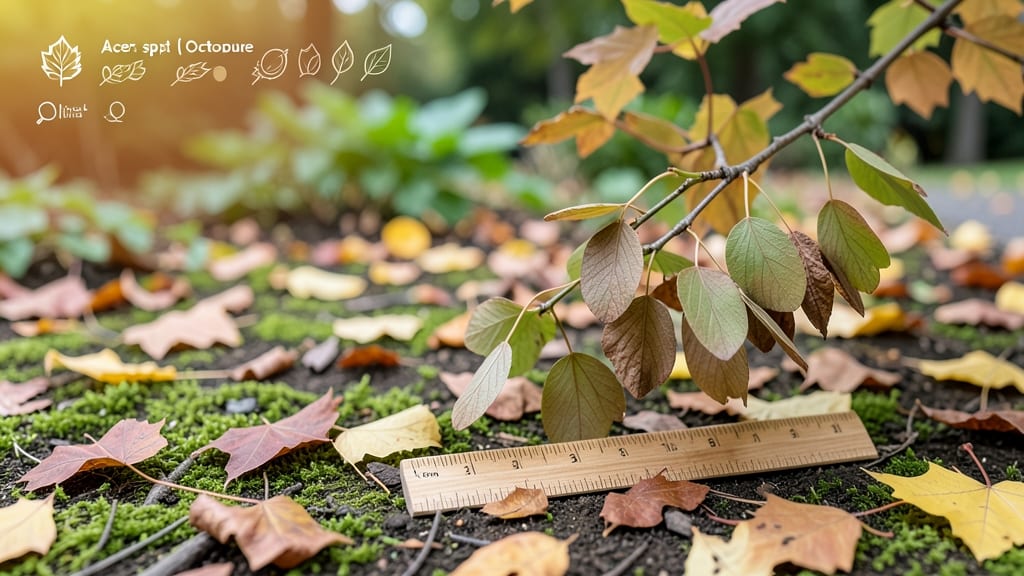
Maple tree helicopters, or samaras, typically fall between late summer and early autumn—usually August to October—depending on the species, with sugar maples and silver maples dropping first, followed by red and Norway maples slightly later in the season.
Maple tree helicopters, those iconic winged seeds, respond to two key triggers: daylight hours and temperature shifts. 🌳 As days grow shorter in late summer, trees shift energy from leaf production to seed dispersal—typically between August and October—with warmer climates seeing earlier drops.
Sugar maples often lead the show, while Norway maples may hold onto theirs until frost threatens. This timing also explains why you might find samaras blanketing your yard in waves rather than all at once.
Interestingly, the timing varies dramatically by region. In USDA Zone 5, where winters are harsh, samaras may wait until September or October to avoid early frost damage, while Zone 8 trees often release them as early as late July.
Even within the same species, younger trees tend to drop seeds earlier than mature ones—a quirk that can make prediction tricky for homeowners. Understanding these patterns helps you plan for cleanup or even use the seeds for craft projects before they become a seasonal nuisance.
💡 In This Article
- How Climate Zones Affect Maple Seed Drop Timing
- Species-Specific Maple Seed Drop Schedules
How climate zones affect maple seed drop timing
The timing of maple samaras falling is primarily controlled by two biological triggers: photoperiodism (daylight duration) and temperature thresholds. As daylight hours shrink below 14 hours—typically in late July or early August—maple trees shift from leaf production to seed maturation.
However, the exact timing depends on how quickly temperatures drop below 70°F at night, which signals the tree to release seeds. In USDA Zone 6 or colder, where frosts arrive earlier, samaras often wait until September or October to avoid damaging cold snaps.
Warmer climates like Zone 8 or 9 see an earlier show, with sugar maples sometimes dropping seeds as early as late July. The reason? Higher temperatures accelerate metabolic processes, prompting trees to disperse seeds before winter arrives.
Even within the same zone, microclimates play a role—a tree in a sheltered valley might drop seeds 2-3 weeks later than one on a sun-exposed hillside. This variability explains why neighborhoods just a few miles apart can experience samara showers at different times. 🌡️
Another critical factor is soil moisture levels. Drought-stressed trees often delay seed drop until conditions improve, while overly wet springs can cause premature seed release.
For example, in Zone 5, a dry summer might push samara drop into October, while a rainy season could bring it forward to mid-September. This moisture sensitivity is why urban trees—often watered differently than wild ones—may follow unpredictable patterns.
What most people don't realize is that tree maturity also shifts timing. Young maples (5-10 years old) tend to drop seeds 1-2 weeks earlier than mature trees because their energy reserves are limited.
A 30-year-old sugar maple might hold onto its samaras until mid-October in Zone 7, while a sapling could release them by early September. This age-related difference explains why some yards see samara storms in waves rather than all at once.
Here's a practical way to predict timing: Watch for leaf color changes. When maple leaves shift from green to yellow (sugar maple) or red (red maple), seed drop typically follows within 2-4 weeks.
In Zone 4, this might mean waiting until late September, while Zone 9 could see seeds falling just days after leaves change. The key is observing your local trees—once you notice the pattern, you'll anticipate samara season with near-perfect accuracy. 🌿