
Lawn
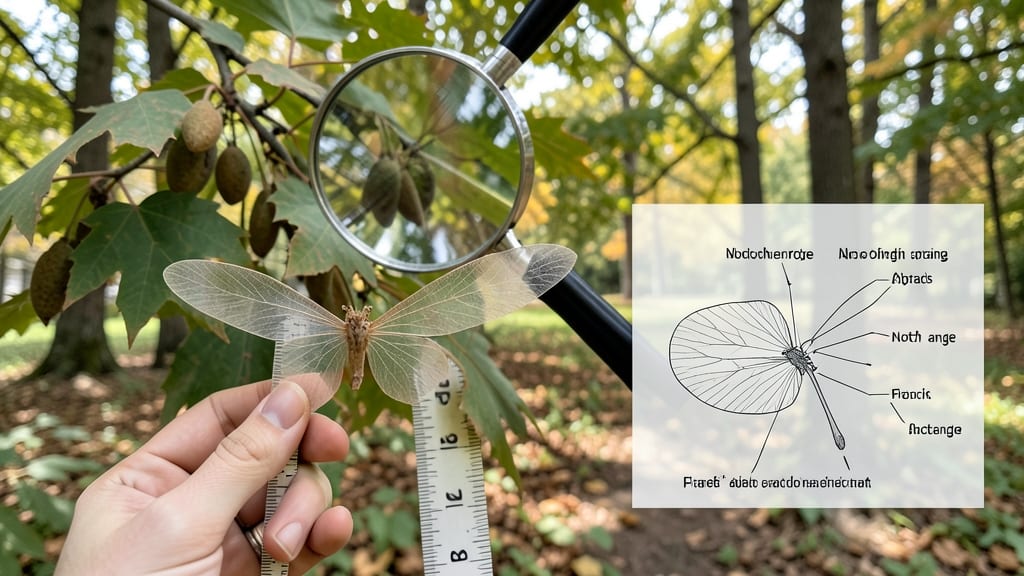
The identification of maple tree seed pods starts with spotting those iconic winged samaras fluttering to the ground in early spring. 🌿 These helicopter-shaped pods are unmistakable once you know what to look for—two seeds connected by a paper-thin wing that catches the breeze.
The key is noticing the subtle differences in wing shape, seed size, and color between species like sugar maple, red maple, and silver maple.
Most maple samaras measure 1 to 2 inches long, with wings that range from greenish (when fresh) to tan or brown as they dry. Sugar maple pods have broader wings and a slightly curved shape, while red maple pods are narrower and more elongated.
The texture is always smooth and papery, never fuzzy or spiky—this helps rule out look-alikes like ash or elm seeds.
Timing is everything: these pods appear in late winter to early spring, often before the leaves even sprout. If you're planting or supporting wildlife, knowing when they drop helps you collect seeds for propagation or leave them for birds like goldfinches and chickadees.
A simple walk in March or April can turn into a mini nature lesson about your local maple trees.
For gardeners, recognizing these pods means you can plant them directly in moist, well-drained soil or use them as natural mulch. Just avoid crushing them—those wings are delicate until the seeds are ready to sprout.
The next time you see them swirling in the wind, you’ll spot the differences like a pro.
Natural Triggers For Seed Pod Growth
Understanding why maple trees produce their iconic seed pods—called samaras—boils down to a mix of biology, environmental cues, and the tree’s survival instincts. These winged wonders aren’t just a quirky quirk of nature; they’re the result of carefully timed reproductive strategies.
Here’s why your maple tree is busy making them:
---
Maple trees follow a strict seasonal schedule, and their seed production is no exception. As daylight hours lengthen in late spring to early summer (typically May–July in temperate zones), the tree’s phloem (nutrient-transporting tissue) ramps up sugar production.
This surge triggers the development of flower buds from the previous year, which bloom into tiny, wind-pollinated flowers.
- Key players: - Gibberellins: Plant hormones that signal the transition from dormant buds to flowering structures. - Auxins: Regulate cell elongation, shaping the samara’s distinctive wing. - Actionable note: If your tree isn’t producing pods, check for stress signs (yellowing leaves, sparse foliage) that might disrupt hormonal balance.
Over-fertilizing with nitrogen can delay flowering and pod formation.
---
Unlike showy flowers that attract bees, maple trees rely on wind pollination—a high-risk, high-reward system. Male flowers release pollen into the air, where it must land on female flowers to fertilize ovules.
Only ~1–5% of pollen grains successfully reach their target, but when they do, the tree invests heavily in producing 1–2 samaras per fertilized seed (the winged "helicopters" we recognize).
- Why the wings? The samara’s asymmetrical wing creates lift and spin, improving dispersal over hundreds of feet.
This evolutionary trait minimizes competition between parent trees and offspring. - What goes wrong? - Poor air circulation (e.g., dense urban planting) can reduce pollination success. - Drought stress weakens flower production, leading to fewer pods. - Pesticide use (especially during bloom) may kill pollinators like bees that do visit maples occasionally.
---
Maple trees are deciduous powerhouses, but they can’t do everything at once. Seed pod production is a high-energy gamble—the tree diverts nutrients (stored in roots and leaves) away from growth to fuel reproduction.
This explains why: - Young trees (under 10 years) often produce few or no pods—they prioritize root/foliage expansion. - Mature trees (20+ years) may drop pods prematurely if nutrient-deficient (e.g., poor soil, overcrowding). - Environmental stress (drought, disease, compacted soil) forces the tree to abort pods mid-development.
| Stress Factor | Impact on Pods | Solution | |-------------------------|--------------------------------------------|---------------------------------------| | Drought | Small, deformed pods or early drop-off | Deep watering (1–2x/week in dry spells) | | Competition | Fewer pods, stunted growth | Prune nearby trees/shrubs | | Nutrient Deficiency | Pale wings, weak attachment | Test soil; amend with compost/fertilizer |
---
While maples are hardy, they’re not invincible. Certain pests and pathogens disrupt flower and pod development: - Aphids & Scale Insects: Sap-sucking pests weaken the tree, reducing energy for reproduction.
Look for sticky residue (honeydew) on leaves. - Tar Spot Fungus: Causes dark, crusty lesions on leaves, limiting photosynthesis and pod nourishment. - Verticillium Wilt: A soil-borne fungus that clogs the tree’s vascular system, leading to premature pod drop.
Pro tip: 💡 Monitor your tree in early spring for signs of infestations. Neem oil or horticultural soap can deter pests before they impact flowering.
--- Not all maples produce pods equally—species, latitude, and microclimates play a role: - Southern maples (e.g., Acer rubrum) may produce pods earlier (March–April) due to milder winters. - Northern maples (e.g., Acer saccharum) often wait until June–July when nights are cooler. - Urban heat islands can advance flowering by 1–2 weeks, but may also stress the tree into dropping pods early.
Actionable tip: 🌡️ If you’re in a warmer climate, consider the ‘Autumn Blaze’ maple—it’s adapted to produce reliable samaras despite heat stress.
Quick fixes for maple seed pods
If you’re dealing with a sudden influx of maple seed pods (samaras) or just want to keep your yard tidy, here’s how to tackle the problem—whether you’re dealing with overgrowth, messy cleanup, or tree health concerns.
These solutions are practical, budget-friendly, and easy to implement, whether you’re a weekend gardener or a seasoned landscaper.
Cause: Maple trees produce thousands of samaras annually, which can pile up quickly, especially under mature trees. Fix:- Rake Regularly 🍂 – Use a sturdy leaf rake to gather pods into piles, then dispose of them in yard waste or compost (if they’re disease-free). Aim for weekly raking during peak drop season (fall).
- Mulch Strategically 🌿 – Spread a thick layer of mulch (3–4 inches) under the tree to smother emerging pods and reduce their spread. Avoid piling mulch directly against the trunk.
- Use a Blower 💨 – A leaf blower can quickly clear large areas, especially on driveways or sidewalks. Just be mindful of neighbors!
- Install a Barrier 🏗️ – Wrap the tree trunk with a breathable fabric barrier (like landscape fabric) to catch falling pods. Secure it with stakes and remove pods weekly.
- Prune for Control ✂️ – If your tree is young, selective pruning can reduce seed production. Focus on removing suckers or overgrown branches in late winter/early spring.
- Opt for a Pod-Resistant Variety 🌱 – If planting a new maple, choose varieties like ‘Autumn Blaze’ or ‘October Glory’, which produce fewer samaras than species like silver maple.
First, inspect the tree for signs like:
- Yellowing leaves (nutrient deficiency)
- Holes or sawdust-like frass (pest infestation)
- Oozing sap or fungal growth (disease)
| Issue | Solution |
|---|---|
| Pests (e.g., aphids, borers) | Apply neem oil or insecticidal soap early in the season. For borers, inject systemic insecticide (consult an arborist). |
| Fungal disease (e.g., anthracnose) | Prune infected branches 12 inches below damage. Treat with copper fungicide in spring/fall. |
| Nutrient deficiency | Test soil and amend with balanced fertilizer (e.g., 10-10-10) in early spring. Avoid over-fertilizing! |
💡 Pro Tip: If the tree is severely compromised, consult an arborist to avoid accelerating decline. Sometimes, removal is the kindest option for your landscape.
Cause: You’ve collected a mountain of samaras—but now what? Fix:- Compost Them ♻️ – Shred pods first to speed decomposition. Avoid composting if pods show signs of disease.
- Repurpose Creatively 🎨 – Use them for:
- Natural mulch (chopped fine)
- Art projects (e.g., wind chimes, terrariums)
- Wildlife feeders (birds love the seeds!)
- Donate or Sell 💰 – Some craft stores or schools buy bulk samaras for DIY projects.
🌡️ Prevention Checklist for Next Year: ✅ Rake before pods fully dry and become airborne. ✅ Water deeply in drought months to support tree health. ✅ Inspect for pests twice a year (spring and fall). ✅ Plant ground covers (like hostas or ferns) under the tree to compete with samaras.
Frequently asked questions
How can I tell if a seed pod is from a maple tree?
Look for the classic helicopter-shaped samaras—two seeds connected by a paper-thin wing that spins in the wind. Maple pods are 1–2 inches long, smooth, and green when fresh, turning tan or brown as they dry. Unlike ash or elm seeds, they’re never fuzzy or spiky.
Why do some maple pods have wider wings than others?
The wing width varies by species! Sugar maple pods have broader, slightly curved wings, while red maple pods are narrower and more elongated. The wing shape affects how far the seeds travel—wider wings disperse seeds farther to reduce competition.
When is the best time to collect maple seed pods?
Collect them in late spring to early summer (May–July) when they’re green and firm, just before they turn brown and dry. Avoid collecting after they’ve hit the ground—they’ll have lower viability. Store them in a cool, dry place until planting.
Can I plant maple seed pods directly from the tree?
Yes! Press the seeds lightly into moist, well-drained soil in fall or early spring. Cover them with 1/4 inch of soil and keep the area consistently moist. Germination can take 2–4 weeks, but be patient—some seeds may need a cold stratification period.
What should I do if my maple tree isn’t producing pods?
Check for stress signs like yellowing leaves, pests, or poor soil. Young trees (<10 years) often prioritize growth over reproduction. If mature trees are affected, test soil nutrients, water deeply during droughts, and avoid over-fertilizing with nitrogen.