
Plants
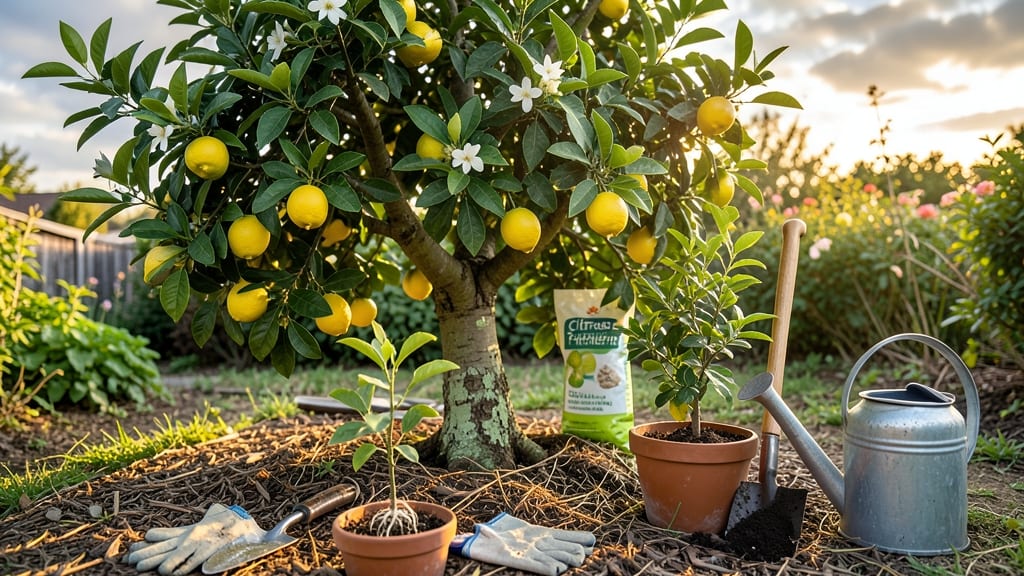
The best time to plant a lemon tree in California is late winter or early spring, when soil temperatures rise and frost risks fade—critical for your 🍋 tree’s root establishment.
California’s Mediterranean climate means you can plant year-round, but timing isn’t just about months—it’s about avoiding heat stress in summer or frost in high deserts. A misstep here could mean stunted growth or even death, so knowing your microclimate (coastal vs. inland) is key.
From frost-free coastal areas to inland valleys, the ideal window shifts slightly—coastal gardeners can plant as early as January, while inland growers wait until March. This guide breaks down the exact timing for your zone, plus soil prep and care tips to set your tree up for success.
You’ll learn how to extend your planting window with containers, mulching, and cold-hardy varieties, ensuring your lemon tree thrives year-round—no matter where you live in California.
Best months to plant lemon trees in California: climate zones explained
California’s diverse climate zones—from frost-free coastal areas to scorching inland valleys—create unique planting windows for lemon trees. Unlike temperate climates, most of California offers year-round planting for citrus, but timing still matters to avoid heat stress or root shock.
The key? Matching your USDA zone (9-10) with the right variety and soil prep.
For example, Meyer lemons thrive in coastal Zone 10 with mild winters, while Eureka lemons need the inland heat of Zone 9 to ripen properly. Desert regions like Palm Springs can plant anytime, but spring or fall minimizes water stress. Let’s break down the best months for each zone.
| Climate Zone | Best Planting Months | Frost Risk | Heat Threshold (°F) | Top Variety |
|---|---|---|---|---|
| Coastal (Zone 10) | November–March | None | 100°F max | Meyer |
| Inland Valleys (Zone 9) | February–April | Light frost (Dec–Jan) | 105°F max | Eureka |
| Desert (Zone 9-10) | September–November | None | 110°F max | Lisbon |
In coastal zones like San Diego or Santa Barbara, November–March is ideal because cooler temps reduce transplant shock. The Meyer lemon, a cold-tolerant hybrid, handles these conditions best. Avoid summer planting—100°F+ temps can scorch young roots before they establish.
For inland valleys (e.g., Central Valley or Sacramento), February–April aligns with last frost dates (usually mid-January). Here, Eureka lemons excel because they need hot summers to sweeten their fruit. Plant too early, and you risk root rot from winter rains; too late, and summer heat stresses young trees.
Desert regions like Palm Springs or Coachella can plant September–November to escape the 110°F+ summers. The Lisbon lemon, with its thick skin, thrives here. Water deeply at planting to combat sandy soil drainage issues, then mulch to retain moisture.
Pro tip: Soil temperature matters more than air temperature. Use a soil thermometer—ideal planting soil stays above 60°F. In cooler zones, wait until soil warms naturally (usually by late February for inland areas).
Container planting extends your window. Potted lemon trees can go in any month if you move them to shade during heatwaves or protect them from Santa Ana winds. Just ensure pots have drainage holes and use citrus-specific potting mix.
Watch for leaf curl or yellowing—signs of poor timing. If you plant in peak summer, shade young trees with 50% shade cloth for the first 3 months. In winter, coastal gardeners can plant year-round, but inland areas should wait until spring.
Remember: Dwarf varieties (like Improved Meyer) adapt faster to timing mistakes, making them perfect for beginners. For standard trees, follow the zone guidelines to ensure bountiful harvests in 2–3 years. 🌱
Signs your planting timing is perfect (or disastrous): key indicators
Planting a lemon tree in California at the wrong time can trigger stress signals like yellowing leaves or stunted growth. The key is reading your microclimate—coastal areas thrive in winter planting, while inland valleys need spring timing to avoid heat shock.
Watch for soil warmth (60°F+) and rainfall patterns—these are your green light for success.
Perfect timing means soil temperatures between 60-75°F and consistent moisture without waterlogging. In coastal zones, late winter (February-March) is ideal when chill hours drop below 35°F risk. Inland areas should wait until April-May when daytime highs stabilize above 70°F.
⚠️ callout-warning
- ❌ Premature leaf drop = heat stress or transplant shock from summer planting
- ❌ Root rot or mushy stems = overwatered soil in winter's heavy rains
- ❌ Stunted growth (under 6 inches/year) = frost damage or nutrient lockout from cold soil
- ❌ Yellowing between veins = iron deficiency from alkaline soil (common in inland CA)
💡 FIX IT: Adjust planting to cooler months, amend soil with chelated iron, or use mulch to stabilize temps.
Your lemon tree’s first new growth after planting is a green light for success. Look for dark green, glossy leaves—a sign roots are establishing in 6-8 weeks. If leaves appear dull or curled, you’ve planted too early (risking frost) or too late (causing heat stress).
Pay attention to local rainfall. In dry years, plant when soil moisture is 40-50% capacity—too wet and roots suffocate; too dry and transplant shock sets in. Use a moisture meter (or the squeeze test) to check: if soil clumps but isn’t soggy, it’s plant-ready.
For container-grown lemon trees, timing shifts slightly. Plant when rootballs show new white roots at the edges—this means they’re active and ready for California’s mild winters. Avoid summer container planting; root systems dry out 3x faster in 100°F+ heat.
Finally, trust your tree’s scent. Healthy lemon trees emit a bright citrus aroma when leaves are rubbed. A musty or sour smell signals poor timing—likely fungal stress from overwatered soil or bacterial issues from contaminated planting holes. 🌱