
Plants
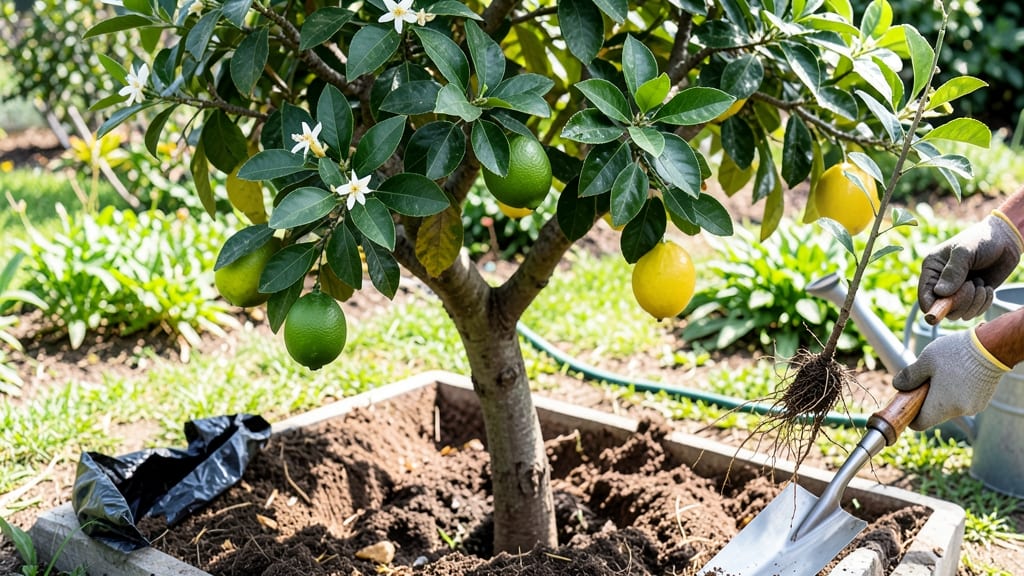
Planting a lemon tree 🍋 in Louisiana at the right time means the difference between a thriving fruit producer and a sad, stunted shrub.
Louisiana’s humid subtropical climate is perfect for growing lemon trees—but planting at the wrong time can mean stunted growth or no fruit. Timing is everything for maximizing sweet, juicy lemons in your backyard.
In USDA Zones 8a-9b, the ideal window is late winter to early spring, just after the last frost date (usually mid-March). This gives your tree a head start before summer’s brutal heat arrives, while avoiding the frost risk of fall planting.
Below, I’ll break down the exact months to plant, how to prep your soil for Louisiana’s heavy clay, and whether container growing buys you extra flexibility in our unpredictable climate.
Best months to plant lemon trees in Louisiana for optimal growth
Planting a lemon tree in Louisiana requires careful timing to thrive in the state's unique humid subtropical climate. Unlike cooler regions, Louisiana's long growing season means you have two prime windows: late winter to early spring and a limited fall option.
The key is avoiding frost damage and heat stress, which can stunt young trees.
Most gardeners swear by March and April as the sweet spot. During these months, soil temperatures hover around 60-65°F, perfect for root establishment. But Louisiana's microclimates—from New Orleans' coastal warmth to Shreveport's cooler inland areas—can shift ideal timing by weeks.
While spring planting (March-April) is the gold standard, Louisiana's southern regions like Houma or Lafayette can safely plant as early as February. The rule of thumb: wait until the average last frost date has passed (typically mid-March). Use local USDA Zone 8a-9b guides to fine-tune your schedule.
Fall planting gets overlooked but works well if you plant by late September. This gives roots time to establish before winter, but avoid October in northern Louisiana where early frosts can sneak in. The trade-off? Fall-planted trees may take 6-12 months longer to bear fruit compared to spring plantings.
Winter planting is tempting for impatient gardeners, but it's a high-risk gamble. Temperatures below 50°F slow root growth, and Louisiana's unpredictable cold snaps (even in Zone 9) can kill young trees. If you must plant in winter, use 5-gallon containers and keep them near a south-facing wall for protection.
Louisiana's coastal areas (like Grand Isle) enjoy longer growing seasons, allowing May plantings with minimal risk. Inland areas should stick to March-April windows. Test your soil's drainage before planting—lemon trees hate soggy roots, and Louisiana's heavy clay soils need amendments like compost or sand.
Pro tip: Choose dwarf varieties (like 'Meyer' lemons) for containers, as they adapt better to Louisiana's summer humidity and hurricane winds. These varieties also fruit faster, giving you homegrown lemons in 2-3 years instead of 5-7.
Remember: Root development is your top priority. A tree planted in optimal conditions during the right window will outperform one rushed into the ground too early. With Louisiana's climate, patience pays off with juicy, homegrown lemons year after year.
How Louisiana’s climate affects lemon tree planting success
Louisiana’s humid subtropical climate creates ideal conditions for growing lemon trees—but it also brings unique challenges. The high humidity levels and frequent heat waves can stress young trees if not managed properly.
Meanwhile, hurricane season and frost pockets in unexpected areas demand extra preparation. Understanding these factors will help you choose the right planting window and protect your tree for years of abundant fruit.
One of the biggest risks in Louisiana is late-season frost, which can occur as late as mid-November in some areas. Even if your tree survives, frost damage can weaken it, making it vulnerable to fungal diseases and pests.
Additionally, heavy rainfall during hurricane season can lead to root rot if your soil doesn’t drain properly. Balancing these risks with the tree’s need for warmth and sunlight is key to success.
⚠️ CRITICAL WARNING: Planting a lemon tree in Louisiana at the wrong time can lead to stunted growth, poor fruit production, or even tree death. The ideal planting window is between February and March, after the last frost date but before the summer heat peaks.
Planting too early risks frost damage, while planting too late exposes young roots to intense heat stress and hurricane-force winds. If you miss this window, consider container planting for added mobility and protection.
Louisiana’s microclimates play a huge role in lemon tree success. For example, North Louisiana (USDA zones 7b-8a) faces cooler winters and higher frost risk, while South Louisiana (zones 8b-9b) enjoys longer growing seasons.
If you’re in a frost-prone area, opt for a dwarf variety or plant near a heat-retaining wall to create a microclimate. In coastal areas, prepare for salt spray and storm surges by elevating containers or using salt-tolerant rootstock.
Another challenge is soil saturation during Louisiana’s wet seasons. Lemon trees hate soggy roots, so amend your soil with organic matter like compost or pine bark fines to improve drainage. If your yard has clay-heavy soil, consider planting in a raised bed or large container with drainage holes.
Mulching with pine straw or wood chips will also help regulate soil temperature and reduce evaporation during summer droughts.
Don’t forget about pests and diseases, which thrive in Louisiana’s warm, humid climate. Citrus greening disease and scale insects are common threats, so monitor your tree regularly and treat issues early with neem oil or horticultural oil.
Prune your tree to improve air circulation and reduce humidity levels near the foliage. If you’re growing in a container, move it to a covered patio during heavy rains to prevent waterlogging.
With the right planting timing and preparation, your lemon tree can thrive in Louisiana’s climate. Choose a sunny, sheltered spot, protect it from extreme weather, and give it consistent care. Soon, you’ll be harvesting juicy, homegrown lemons year-round—just in time for fresh lemonade or zesty recipes! 🍋