
Plants
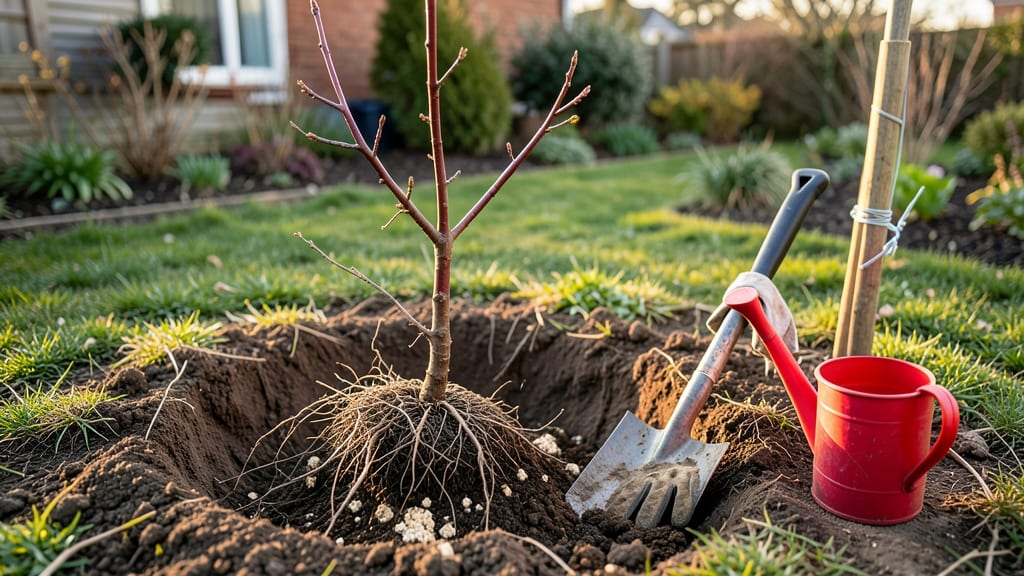
To plant a tree in the ground at the right time means giving it the best shot at strong roots and decades of growth—so timing is everything.
Planting a tree at the wrong time can stunt its growth—or even kill it before it takes root. But choosing the perfect timing ensures a thriving, long-lived addition to your landscape—if you know the science behind seasonal planting.
In USDA Zone 6, where many gardeners live, late winter to early spring is the golden window—right after the last frost and before the soil heats up. But warmer climates shift that timeline, and evergreens need different care than deciduous trees.
Below, I break down the best months by your zone, how to prep the soil for success, and the 5 signs you’ve picked the ideal time to plant your 🌳 for long-term health.
Optimal tree planting months by USDA climate zone: a science-backed guide
Timing your tree planting right can mean the difference between a lush, thriving canopy and a struggling sapling. The best time depends on your USDA climate zone and whether your region experiences hot summers or cold winters.
Planting during the right window lets roots establish before extreme weather hits—whether that's scorching heat or freezing frost. Let's break down the science so you can give your tree the best possible start.
In cooler climates (Zones 3-6), early spring and fall are ideal because the soil is cool but workable, and trees enter dormancy before winter stress. Meanwhile, warmer climates (Zones 7-10) benefit from late fall to early winter planting, avoiding summer's intense drought and heat.
The key is aligning your planting with your tree's natural growth cycle and your local weather patterns.
Here’s a zone-by-zone breakdown of the best planting windows, including dormancy benefits and how to avoid heat or cold stress for young roots. Use this as your guide to pick the perfect time for your region.
| USDA Zone | Best Planting Window | Key Considerations | Risks to Avoid |
|---|---|---|---|
| Zones 3-4 | Late April to early June | Soil thaws; trees leaf out before dormancy. | Late frost damage; dry spring soil. |
| Zones 5-6 | April to early May or September to October | Balanced temps; roots establish before winter. | Early frost in fall; summer drought. |
| Zones 7-8 | October to December or February to March | Avoids summer heat; cooler soil aids root growth. | Winter freezes; summer heat stress. |
| Zones 9-10 | November to January | Cooler temps reduce transplant shock; minimal drought. | Prolonged dry spells; extreme heat in summer. |
🌱 Note: Container-grown trees can be planted outside these windows but require extra care.
For Zones 3-4, where winters are harsh, planting in late April to early June ensures roots establish before the first frost. This window aligns with soil thawing and spring rainfall patterns, giving young trees the moisture they need.
Avoid planting in early spring—frost can still damage tender roots, and dry soil makes it harder for roots to penetrate.
In Zones 5-6, you have two ideal windows: spring (April-May) for bare-root trees and fall (September-October) for container-grown varieties. Fall planting lets roots grow before dormancy, while spring planting avoids winter stress. Evergreens like pines or spruces should be planted in early fall to prevent winter desiccation.
Warmer Zones 7-8 shift to late fall (October-December) or early spring (February-March). Planting in fall allows roots to establish before summer heat arrives.
If you plant in spring, do so before buds swell—this prevents stress from rapid growth. Drought-tolerant species, like oaks or palms, handle these windows better than thirsty varieties.
In Zones 9-10, the best time is November to January, when temps are mild and rainfall is steady. This avoids the intense summer drought that can stress young trees.
If you must plant in summer, choose overcast days and provide shade cloth to reduce heat stress. Container-grown trees can handle summer planting with extra watering.
Regardless of your zone, soil temperature is the ultimate indicator. Use a soil thermometer to check for 50-60°F—this is ideal for root growth. If your soil is too cold or too hot, wait. Root establishment is the goal, and the right timing ensures your tree grows strong for decades.
Pro tip: Mulch heavily after planting to retain moisture and regulate soil temperature. Use 3-4 inches of organic mulch, keeping it 6 inches away from the trunk to prevent rot. This simple step can double your tree’s survival rate in the first critical year.
5 Critical signs your tree planting timing is perfect (or disastrous)
Timing your tree planting can mean the difference between a thriving canopy and a struggling sapling. The perfect window depends on soil conditions, weather patterns, and your local microclimate. Here’s how to tell if you’re planting at the right—or wrong—time.
First, check the soil temperature—it should be consistently above 40°F (4°C) for at least 6 inches deep. Cold soil slows root growth, while overheated soil can shock delicate roots. Use a soil thermometer to test before digging.
A moisture-rich soil is another green light. If the ground feels dry 3 inches down, wait for rain or water deeply a few days before planting. Overly soggy soil, however, signals poor drainage—fix this with compost or raised beds to avoid root rot.
🌱 Weather forecasts are your third clue. Aim for a 2-week frost-free window after planting in cooler climates. Check your local extended forecast for extreme heat or storms—these can stress young trees.
- 🌡️ Soil temp is 40°F+ (4°C+) for 6+ inches deep
- 💧 Moisture is ideal—not bone-dry or waterlogged
- ☀️ Weather shows no frost risk for 2+ weeks
- 🌿 Local microclimate matches your tree’s hardiness zone
- ⏳ Planting season aligns with species dormancy (spring/fall)
Watch for local microclimates—your yard might be warmer or cooler than the general forecast. South-facing slopes stay warmer, while low-lying areas hold cold air. Evergreens need extra care in winter; plant them in fall for root establishment before dormancy.
If your tree species is deciduous, early spring (just as buds swell) is ideal. Bare-root trees should go in while dormant—late winter to early spring. Container-grown trees, however, can handle year-round planting (except extreme heat).
🌳 Pro tip: Avoid planting during peak summer heat or winter freezes. These extremes stress young roots. If you must plant in summer, do it in early morning or late afternoon and mulch heavily to retain moisture.