
Pests and Diseases
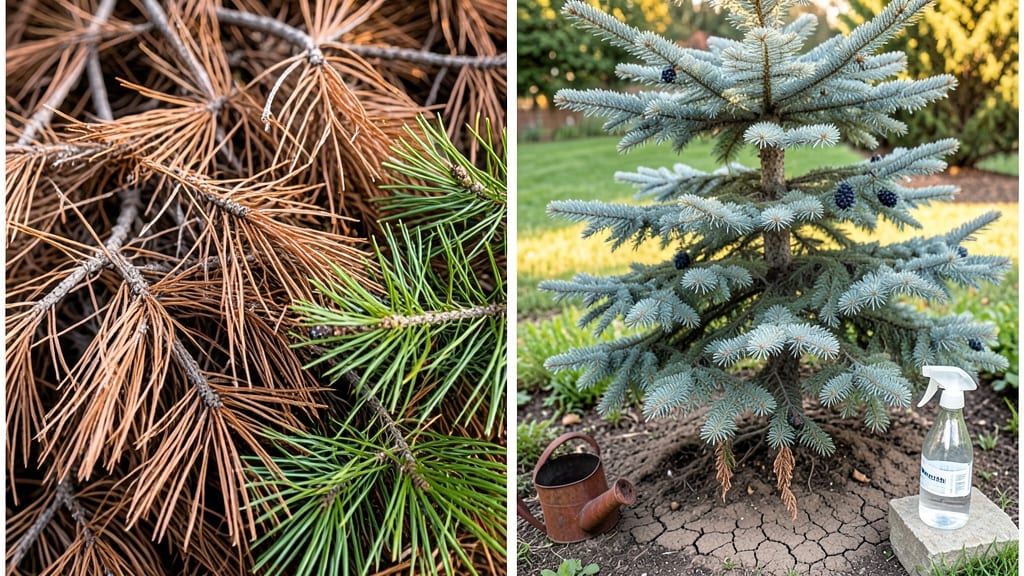
Why is my cedar tree turning brown?—it’s not just a cosmetic issue, but a warning sign of root rot or fungal diseases like cedar blight. 🌲 I’ve seen healthy cedars go from lush green to skeletal brown in weeks when ignored, but the good news is copper spray can turn things around before it’s too late.
Root rot thrives in soggy soil, while fungal diseases like cedar blight spread when moisture lingers on needles. Overwatering, poor drainage, or compacted soil create the perfect storm.
Even pests like bagworms can stress trees enough to trigger browning. The key is catching it early—check for mushrooms at the base or sticky residue on branches.
Copper spray works by disrupting fungal growth, but it’s not a magic fix. You’ll need to pair it with proper watering (deep but infrequent) and aerating compacted soil. Within weeks, you’ll see fresh green growth pushing through—if you act fast enough to save the roots.
This method works for both junipers and true cedars, though some varieties are more resilient. The secret? Consistency. Keep spraying through the season and monitor for repeat outbreaks. Your tree’s comeback starts with just one spray.
Root Causes Behind Browned Cedar Trees
If your cedar tree is turning brown, it’s often a cry for help from its roots—or from unseen invaders. Understanding the why behind the browning is the first step to saving your tree.
Below, we break down the most common culprits, backed by science and actionable insights to diagnose the issue accurately.
Cedar trees thrive in well-drained soil, and when they’re soggy for too long, their roots suffocate—leading to root rot. This fungal infection thrives in waterlogged conditions, blocking nutrient uptake and causing leaves (or needles) to turn brown and brittle.How it happens:
- Excess moisture: Compacted or clay-heavy soil traps water, preventing roots from breathing. Overwatering (even well-meaning irrigation) worsens the problem.
- Fungal growth: Pathogens like Phytophthora or Armillaria (honey fungus) exploit wet roots, spreading toxins that discolor foliage.
- Nutrient starvation: Rot disrupts the tree’s ability to absorb water and minerals, causing systemic browning from the bottom up.
🔍 What to look for:
- Mushrooms at the base of the tree (a red flag for Armillaria).
- Soft, mushy roots when gently probed with a trowel.
- Browning starting at the lowest branches.
Pro tip: 💡 If your soil feels like wet clay when squeezed, it’s time to amend it with compost or sand to improve drainage.
While too much water is deadly, chronic dehydration can also turn cedar needles brown. These trees are drought-tolerant but not drought-proof—prolonged dry spells force them into survival mode, causing needles to dry out and drop prematurely.How it happens:
- Water loss: Cedar needles have a waxy coating to retain moisture, but extreme heat or wind strips it away, accelerating evaporation.
- Root shrinkage: Without enough water, roots can’t deliver nutrients, leading to chlorosis (yellowing) before browning sets in.
- Transpiration overload: Hot days increase water demand; if roots can’t keep up, the tree “browns out” as a last-resort defense.
🔍 What to look for:
- Crispy, papery needles that crumble easily.
- Browning starting at the tips of branches (unlike root rot, which starts at the bottom).
- Soil pulling away from the roots (indicating severe dryness).
Pro tip: 🌡️ Water deeply 1–2 times per week during dry spells, aiming for 1–2 inches of moisture per session. Mulch helps retain soil moisture.
Cedar trees are magnets for pests like bagworms, aphids, and spider mites, which pierce needles to drink sap. Their saliva contains toxins that disrupt the tree’s chlorophyll production, leading to brown, stunted foliage.How it happens:
- Sap extraction: Pests like Cedar Sawfly larvae or Scale insects create tiny wounds, causing needles to wilt and turn brown.
- Honeydew buildup: Aphids excrete sticky honeydew, which fosters sooty mold—a black fungus that further blocks sunlight and stresses the tree.
- Defoliation: Severe infestations strip the tree of needles, leaving bare branches that brown in the sun.
🔍 What to look for:
- Bagworms: Spinning “bags” on branches (check for them in late summer).
- Aphids: Tiny clusters of insects on new growth; look for curled or sticky leaves.
- Spider mites: Fine webbing on the undersides of needles (common in hot, dry weather).
Pro tip: ✨ Use a horticultural oil spray or neem oil in early spring to smother eggs and larvae before they hatch.
Fungi like cedar rust (Gymnosporangium) or needle blight (Seiridium) attack cedars, causing needles to darken, curl, and drop. These diseases thrive in humid conditions and spread via spores, often starting as small brown lesions that expand.How it happens:
- Spores land on needles: Fungal spores germinate in damp conditions, penetrating the needle’s surface.
- Toxin production: The fungus releases chemicals that clog the tree’s vascular system, starving it of nutrients.
- Systemic decline: As the disease spreads, entire branches turn brown and die back.
🔍 What to look for:
- Cedar rust: Orange pustules on the underside of needles (common in spring).
- Needle blight: Dark, sunken spots that enlarge and merge into large brown patches.
- Premature needle drop, especially on the lower canopy.
Pro tip: 🔥 Prune and sterilize tools with rubbing alcohol between cuts to prevent spreading spores. Copper fungicides (like the one in this article!) can help suppress fungal growth.
Cedars are hardy, but extreme heat, salty soil (from road de-icing or poor irrigation), or winter burn can scorch needles, turning them brown. These issues are often compounded by other stressors like drought or poor soil health.How it happens:
- Salt buildup: Sodium and chloride ions in soil disrupt the tree’s ability to absorb water, causing osmotic stress.
- Winter burn: Cold winds dry out needles faster than the tree can replace them, leading to desiccation.
- Heat stress: Temperatures above 90°F (32°C) for prolonged periods can “cook” needles, turning them brown at the tips.
🔍 What to look for:
- Browning on the southwest side of the tree (exposed to hot afternoon sun).
- Needles that look dried out but not necessarily brittle (unlike pest damage).
- Soil crusting or white deposits (signs of salt accumulation).
Pro tip: 🎯 If salt is the issue, flush the soil with fresh water and amend with gypsum to improve drainage. For winter burn, mulch heavily and avoid pruning in late summer.
Fix Your Cedar Tree’s Brown Woes
If your cedar tree is turning brown, don’t panic—there’s hope! The right treatment depends on the cause, but with quick action, you can restore its health. Below, we’ve mapped out practical solutions for the most common culprits, along with prevention tips to keep your tree thriving.
Signs: Mushrooms at the base, soft or spongy roots, wilting despite watering.
How to Fix It: 🔥 🚰 Improve Drainage First
- Dig a 6-inch-deep trench around the tree’s drip line (the edge of its canopy) to encourage water runoff.
- Mix sand or gravel into the soil (up to 20% of the existing dirt) to loosen compacted areas.
- Avoid overwatering—cedars prefer dry to slightly moist soil.
🍳 🧪 Apply a Fungicide Treatment
- Use a copper-based fungicide (like Copper Sulfate) or a phosphite-based product (e.g., Phostrol).
- Follow label instructions: Typically, spray the soil and lower trunk every 2–4 weeks until symptoms improve.
- For severe cases, professional soil drenches (like Subdue or Aliette) may be needed.
👨🍳 🌿 Prune Dead Branches Carefully
- Remove only the brown, mushy branches—never more than 25% of the canopy at once.
- Sterilize pruners with rubbing alcohol to prevent spreading disease.
- Dispose of infected debris in a sealed bag (not your compost).
⏰ 🌡️ Monitor & Adjust Care
- After treatment, water deeply but infrequently (1–2 inches per week, unless it rains).
- Mulch 3–4 inches deep (keep it 6 inches away from the trunk) to regulate soil temperature.
💡 Prevention Tip:
- Plant cedars in well-draining soil (avoid low spots where water pools).
- Test soil pH—cedars prefer slightly acidic to neutral (6.0–7.0).
Signs: Small, brownish "twigs" (actually bagworm cocoons), chewed needles, webbing.
How to Fix It: 🔥 🕷️ Manual Removal (Early Stages)
- Shake bags into a bucket of soapy water (1 tbsp dish soap per gallon) to drown larvae.
- Wear gloves and a mask—bagworms can irritate skin.
- Check every 2 weeks in spring/fall for new bags.
🍳 💦 Chemical Control (When Infestation Spreads)
- Bt (Bacillus thuringiensis) is safe for pets/kids—spray when larvae are small (before bags form).
- For severe cases, use permethrin-based sprays (like Eight or Ortho Bagworm Killer).
- Timing is key: Treat late May to early June (when larvae emerge) and again in August.
👨🍳 🌿 Natural Predator Boost
- Parasitic wasps (like Goniozus legneri) eat bagworm eggs—release them in early spring.
- Hang birdhouses to attract chickadees and wrens, which feast on bagworms.
⏰ 🌡️ Post-Treatment Care
- Rake up fallen bags and dispose of them in sealed trash (don’t compost!).
- Fertilize lightly with a balanced 10-10-10 in early spring to strengthen the tree.
💡 Prevention Tip:
- Inspect trees twice a year (spring & fall) for early signs.
- Prune for airflow—thick foliage traps moisture, inviting pests.
Signs: Needles turn straw-like brown, brittle to the touch, but no pests/disease.
How to Fix It: 🔥 💧 Deep Watering Technique
- Water slowly (1–2 inches per week) at the base, not the leaves.
- Use a soaker hose or drip irrigation to avoid runoff.
- Morning watering (before 10 AM) reduces evaporation.
🍳 🌿 Mulch Like a Pro
- Apply 3–4 inches of mulch (wood chips or pine straw) 6 inches from the trunk.
- Never pile mulch against the trunk—this causes rot.
- Replenish mulch annually to maintain moisture.
👨🍳 🌱 Adjust Watering for Age
- Young cedars (under 5 years): Water 2–3 times per week in dry spells.
- Mature cedars: Water every 10–14 days (unless in extreme drought).
⏰ 🌡️ Long-Term Drought Solutions
- Plant drought-tolerant ground covers (like creeping thyme) to retain soil moisture.
- Consider drip irrigation for automatic, efficient watering.
💡 Prevention Tip:
- Group cedars with other drought-resistant plants (e.g., junipers, lavender).
- Avoid lawns near cedars—grass competes for water.
Signs: Tips of branches turn brown, but needles stay attached (not crispy like drought).
How to Fix It: 🔥 🌬️ Shield from Wind & Sun
- Wrap young trees in burlap or tree guard before winter.
- Avoid pruning in late summer—new growth is more vulnerable.
🍳 💦 Post-Winter Hydration Boost
- Water deeply in early spring (March–April) to revive roots.
- Avoid fertilizing until new growth appears (mid-spring).
👨🍳 🌿 Prune Damaged Branches
- Trim only the dead tips—never cut into green tissue.
- Use clean, sharp shears to prevent tearing.
⏰ 🌡️ Prevent Future Damage
- Choose wind-resistant varieties (e.g., Blue Cedar over Eastern Red Cedar).
- Mulch heavily before winter to insulate roots.
💡 Prevention Tip:
- Avoid overhead watering in late fall—wet needles freeze easier.
If your cedar shows multiple issues (e.g., root rot + severe pest damage) or is large/old, consult an arborist. They can assess soil health, structural stability, and advanced treatments like soil injections or professional pruning.
🎯 Final Tip: Act fast! Cedar trees are resilient, but neglected issues spread quickly. Once you identify the cause, stick with the treatment for 2–3 seasons—consistency is key to a full recovery. 🌿✨
Frequently asked questions
Why do cedar tree needles turn brown from the bottom up?
This is a classic sign of root rot caused by fungal infections like Phytophthora or Armillaria. When roots suffocate in soggy soil, they can't absorb nutrients, causing browning to start at the lowest branches. Check for mushrooms at the base or soft, mushy roots when gently probed.
Can I save a cedar tree if it's already mostly brown?
It depends on the cause! If it's root rot, act fast with copper fungicide and drainage fixes. For pest damage, aggressive treatment may revive it. However, if 50%+ of the canopy is dead, the tree may not recover—consult an arborist to assess structural safety.
How often should I water a cedar tree to prevent browning?
Cedars prefer deep but infrequent watering. Water 1–2 times per week during dry spells (1–2 inches of moisture per session), but never let soil stay soggy. Young trees need more frequent watering (2–3 times weekly), while mature trees can go 10–14 days between waterings.
Are bagworms the only pests that turn cedar needles brown?
No—aphids, spider mites, and cedar sawfly larvae also cause browning. Look for webbing (mites), sticky honeydew (aphids), or chewed needles (sawflies). Early treatment with neem oil or Bt spray can prevent severe damage before it spreads.
Will pruning help a brown cedar tree recover?
Only prune dead or diseased branches—never more than 25% of the canopy at once. Sterilize tools with rubbing alcohol to prevent spreading disease. Avoid pruning in late summer (new growth is vulnerable) and focus on removing only the brown, brittle sections.